Guide
Do You Really Need AWD? Here’s When It Actually Helps
All-wheel drive can be genuinely useful in snow and on loose surfaces. But whether it is worth paying for depends on where you drive, how often conditions get difficult, and what the rest of the vehicle is equipped to handle.

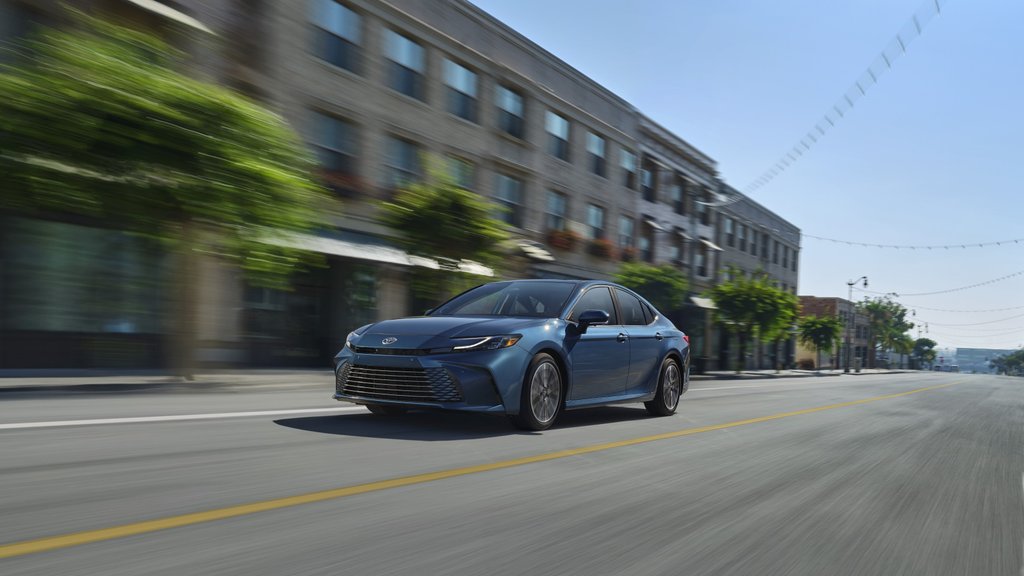
An all-wheel-drive Honda CR-V and a front-wheel-drive Toyota Camry do not sound like vehicles that should behave similarly in snow. Yet Consumer Reports found that both stopped from 60 mph in about 300 feet when fitted with winter tires. In a separate test, an AWD CR-V on its original all-season tires needed almost 700 feet to stop from the same speed.
The tests happened on different days and in different snow conditions, so they are not a controlled comparison between AWD and FWD. There is surprisingly little standardized testing that isolates the two drivetrains this way. The CR results are useful, but they do not establish a universal stopping-distance advantage for one configuration.
The Advantage Shows Up Before You Hit The Brakes
A vehicle climbing a snow-covered hill is where AWD's basic benefit becomes easier to understand. Instead of sending all the available torque through one axle, the system can distribute it between the front and rear wheels as traction changes. It tends to help when pulling away on snow, climbing a slippery incline or crossing loose gravel.
Braking is different. Once the driver is trying to slow down, sending power to another axle does not create additional friction between the tires and the road. Consumer Reports' separate tire testing found that all-season tires with about half their original tread had roughly 14 percent less snow traction and 7 percent worse wet braking than the same tires at full tread. Those figures came from a different experiment with different tires, rather than the CR-V and Camry test.
Colorado's winter traction rules reflect the same distinction. When its Passenger Vehicle Traction Law is active, AWD and 4WD vehicles must use qualifying tires with at least 3/16-inch tread depth, or chains or an approved alternative traction device.
Some AWD Systems Are Doing Much More
Audi's quattro systems show why the AWD conversation cannot stop at traction. Depending on the application, Audi uses variable torque distribution, torque vectoring and active rear differentials. Some systems can send additional torque toward an outside wheel during cornering, while others can disconnect part of the driveline when extra traction is unnecessary.
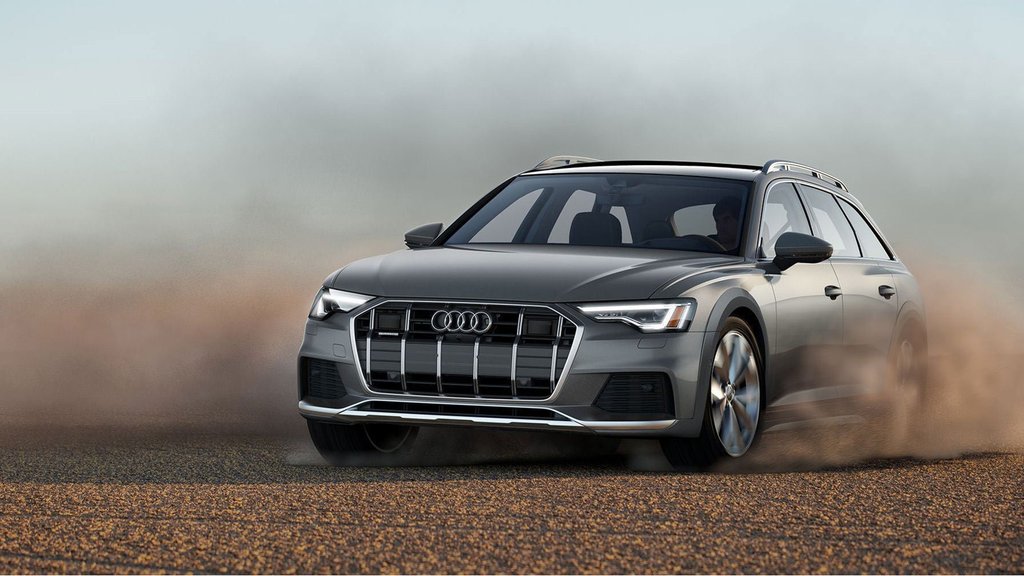
That makes AWD part of the handling system on some vehicles rather than simply a way to reduce wheelspin. The hardware varies considerably from one vehicle to another. A crossover using AWD primarily to improve traction on slippery roads is doing a different job from a performance-oriented system that actively influences how the vehicle corners.
Snow Isn't The Only Place AWD Helps
Loose surfaces create another straightforward use case. Gravel roads, muddy access roads and steep unpaved climbs can all put more demand on the tires trying to transmit power to the ground. Towing can create similar situations. A vehicle trying to pull a trailer up a wet boat ramp, for example, benefits from having another axle available to help maintain traction.
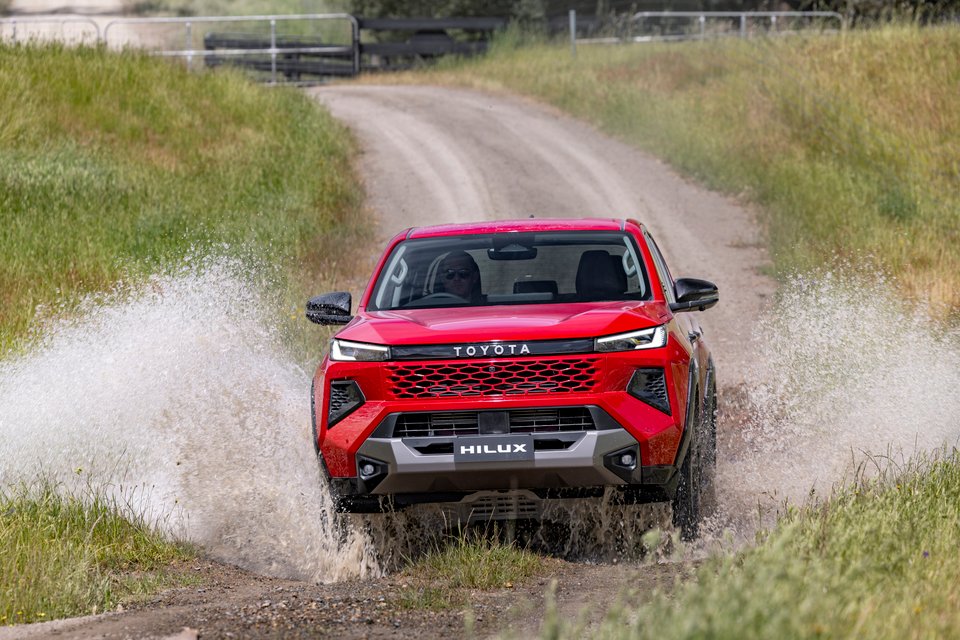
Rain is less clear-cut. Modern traction control and good tires already give two-wheel-drive vehicles considerable ability on wet pavement, while AWD does not shorten a braking distance simply because four wheels receive power. There is no universal threshold at which AWD suddenly becomes necessary. How often the vehicle encounters low-traction surfaces matters, as does the type of AWD system fitted to it.
AWD Doesn't Make An SUV An Off-Roader
The 2026 Subaru Forester Wilderness illustrates how much more goes into off-road capability. Along with standard Symmetrical AWD, Subaru gives the Wilderness 9.3 inches of ground clearance, all-terrain tires, enhanced dual-function X-MODE and underbody protection. It is also rated to tow up to 3,500 pounds, while revised gearing helps it tackle grades of up to 40 percent.
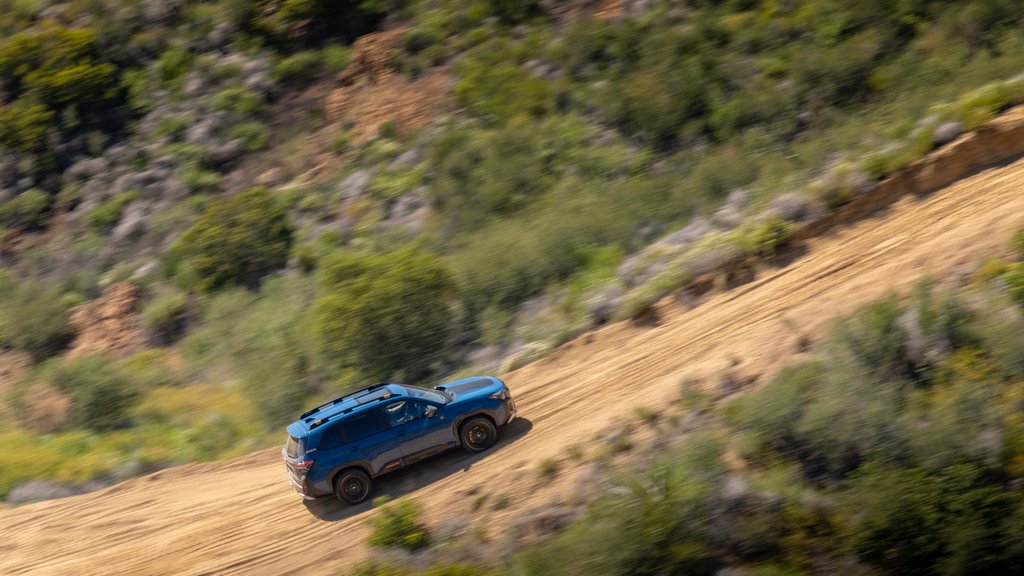
Those features address problems that AWD alone cannot. Clearance determines whether the vehicle can get over an obstacle without hitting its underside. Tires affect how effectively it can find traction. Underbody protection becomes important once the terrain gets rough enough to expose mechanical components. A vehicle can therefore have four driven wheels and still be poorly suited to a demanding trail.
The Drivetrain Also Follows You Home
Michelin notes that AWD and 4WD vehicles can require closely matched tire circumferences because differences between tires can put additional stress on drivetrain components. The exact replacement requirements vary by vehicle.
Fuel economy also cannot be reduced to a universal AWD penalty. The difference depends on the particular vehicle, drivetrain, weight and calibration.
AWD has nevertheless become commonplace in the U.S. market. The EPA's 2025 Automotive Trends Report says four-wheel-drive systems, including AWD in its classification, accounted for 63 percent of new-vehicle production in model year 2024, compared with 3 percent in 1975.
For many buyers, the tire sitting at each corner will have more influence on winter grip than the second driven axle.
More from the author
Recent articles by Rohit Shah