
Hyundai And Kia Face $1 Billion Lawsuit Over The Kia Boys Theft Crisis
Hyundai and Kia face a $1 billion lawsuit over the massive theft of their vehicles.


For years, Hyundai and Kia built a reputation for building affordable, well-equipped cars that appealed to millions of buyers. But one cost-cutting decision made more than a decade ago is still haunting them today. That decision has led to millions of cars getting stolen very easily, and now insurance companies want their money back. What was made obvious via a social media trend has now turned into a massive billion-dollar lawsuit. But to understand why insurers want so much money, let’s go back to the beginning.
The Kia Boys Problem Started Before Social Media Made It Famous
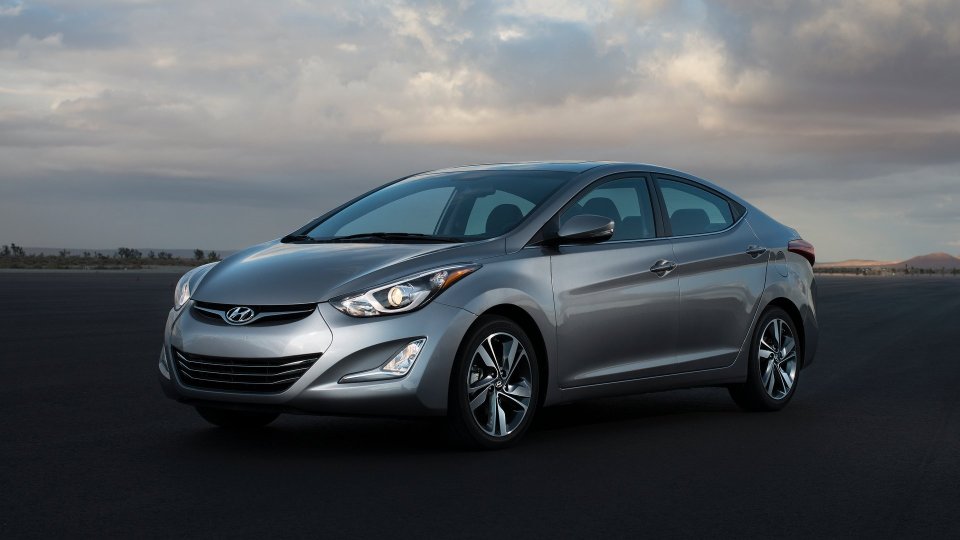
Around 2020, a group of teenagers in Milwaukee calling themselves the “Kia Boyz” became popular by stealing certain Hyundai and Kia vehicles. They showed how easy it was to steal these cars, and it eventually spread across social media, particularly TikTok, where these videos showed how thieves could bypass the ignition system using basic tools. There was one reason why these cars were easy to steal: They did not have an engine immobilizer.
An engine immobilizer is an electronic security system designed to prevent the engine from starting unless the vehicle recognizes its programmed key or transponder. Without it, you could physically bypass the ignition and easily start even without the original key. Thieves could break the steering-column cover, manipulate the ignition, and use the exposed hardware to start the vehicle, and the viral videos showed just how quickly this could be done.
These cars were already being stolen, but social media essentially made it visible to a much larger audience. Some teens were doing this just for fun; they stole these cars, took them on joy rides, and dumped them after bashing the cars. By 2022, police departments and insurance companies across the country were dealing with a surge in thefts. The situation became serious enough that the National Highway Traffic Safety Administration reported at least 14 crashes and eight fatalities associated with the social-media theft challenge.
Millions Of Hyundai And Kia Vehicles Were Affected
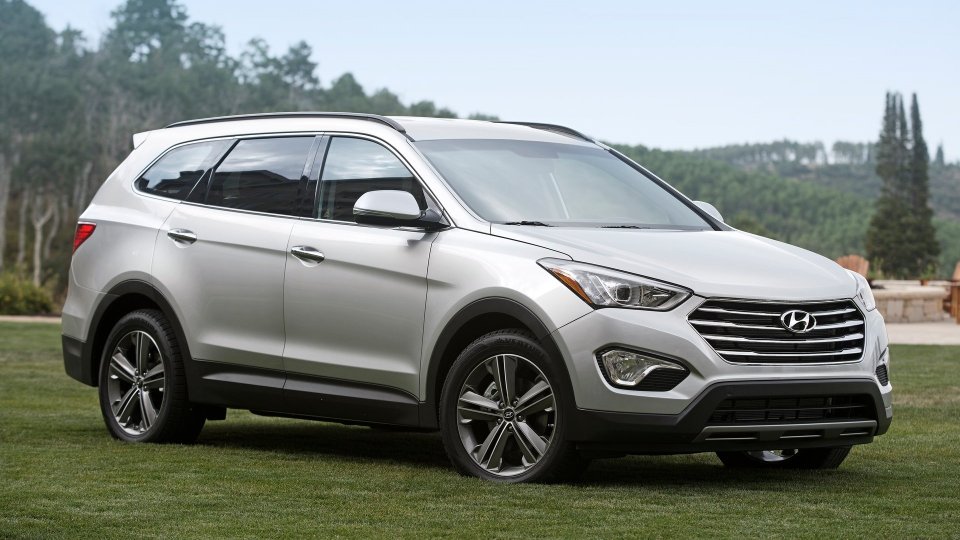
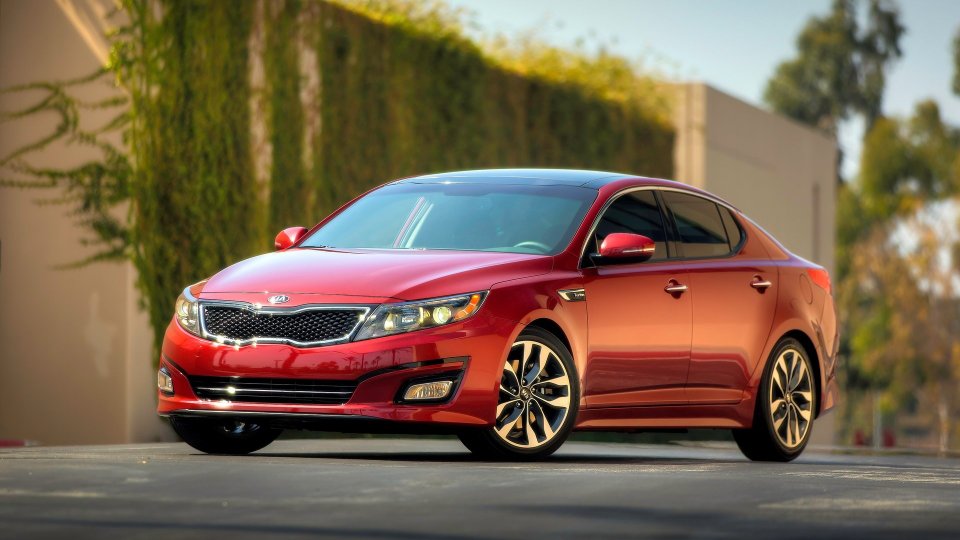
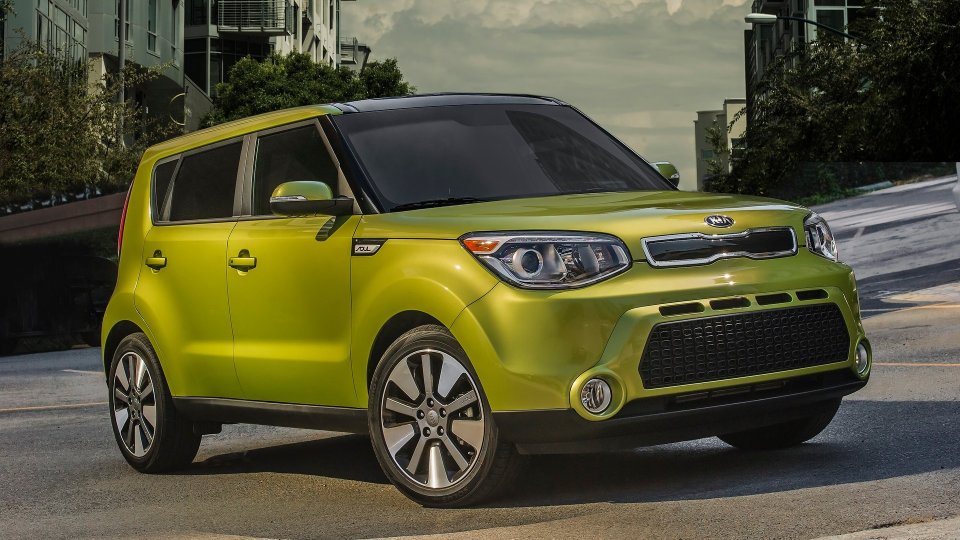
The scale of the issue is one of the reasons the legal fallout has become so significant. Hyundai and Kia vehicles from 2011 through 2022 were manufactured without engine immobilizers. The list includes some of Hyundai and Kia's most common vehicles, including models such as the Hyundai Elantra, Sonata, Santa Fe and Tucson, along with the Kia Forte, Soul and Optima.
The number of potentially affected Hyundai and Kia vehicles is approximately 14.3 million from 2011 through 2022. That raises an obvious question: why weren't these vehicles equipped with immobilizers in the first place? The technology was hardly new. Immobilizers had become common across the automotive industry, and Hyundai and Kia themselves used the technology on some vehicles and in other markets.
That wasn’t a problem at first, but once thieves discovered the weakness and began sharing it online, everything changed almost overnight. Hyundai and Kia eventually responded with anti-theft software designed to make the vehicles harder to steal. In February 2023, NHTSA announced that approximately 3.8 million Hyundai vehicles and 4.5 million Kia vehicles were eligible for the free software update. The update changed the alarm system and required the key to be present in the ignition before the vehicle could start.
The automakers also worked with law enforcement agencies to distribute steering-wheel locks. But by that point, thousands of owners had already experienced theft or attempted theft, while insurers had begun paying bills for damages.
Now Insurers Want More Than $1 Billion
Approximately 200 insurance companies are pursuing claims against Hyundai and Kia, seeking reimbursement for losses caused by this theft vulnerability. The insurers are essentially arguing that they should not be the ones to pay for a defect caused by the automakers. Insurance companies paid claims when vehicles were stolen, damaged during attempted thefts, or recovered after being abandoned. They are now seeking to recover more than $1 billion of those costs from Hyundai and Kia.
This is a separate case from the consumer class-action litigation brought by vehicle owners. Hyundai and Kia previously agreed to a settlement covering eligible owners of affected vehicles. The settlement was given final approval in October 2024 and includes compensation for certain theft-related losses as well as anti-theft measures. However, payments have been delayed while appeals are resolved. Importantly, none of these cases establishes that Hyundai or Kia intentionally caused the thefts. The insurers' allegations still have to be proven.
The Latest Court Ruling Keeps The Fight Alive
The insurers' case hit a major obstacle when U.S. District Judge James V. Selna dismissed the claims against Hyundai Motor Company and Kia Corporation, finding that the California federal court lacked personal jurisdiction over the Korean companies. The insurers appealed.
On September 14, the Ninth Circuit reversed that decision. The appeals court found that the Korean automakers had sufficient connections to California for the lawsuit to proceed. A major factor was the shipment of vehicles through California ports. According to the court, more than 70% of Hyundai and Kia's shipments to the United States passed through California ports. This means a substantial portion of the allegedly defective vehicles came through California ports.
The court is also considering the insurers' allegation that the automakers specifically designed the U.S.-market vehicles without immobilizers. The case can now return to California, where the insurers' claims can proceed. Take note: the $1 billion figure is not a bill that Hyundai and Kia have been ordered to pay. It is the amount the insurers say they are seeking to recover.
For Hyundai and Kia, however, the consequences of the Kia Boys era are clearly not going away. What makes this story particularly striking is how long the underlying vulnerability existed before it became a national crisis. Certain Hyundai and Kia vehicles were built without an immobilizer for years, and the problem remained relatively unknown until thieves discovered the weakness and it was spread on social media.
A relatively inexpensive security feature eventually became the center of a nationwide theft epidemic, a consumer settlement and now a lawsuit worth more than $1 billion. The Kia Boys may have put the problem on TikTok, but the consequences are being settled in the courtroom.
Recommended Articles
BYD Recalls More Than 180,000 Vehicles Over Brake-Pedal Defect

Volkswagen Faces Bigger Cuts as Profit Outlook Takes a Hit
After 9 Years of Waiting, the Tesla Roadster Is Finally Coming Back

Volkswagen ID.3 GTI Debuts With 326 HP And Rear-Wheel Drive
10 New Cars That Don’t Fit The Usual American Automotive Mold
5 All-Rounder Pickup Trucks You Can Buy In America In 2026
Every Car That Came With a 7-Speed Manual
2027 Nissan Rogue Hybrid Has A Gas Engine That Never Drives The Wheels
Join the Conversation
Comments
Loading comments…
No comments yet. Be the first to start the conversation.