
Every Car That Came With a 7-Speed Manual
These are the rare cars use the odd seven-speed manual transmission.


For decades, the six-speed manual has been the enthusiast's sweet spot. It is simple enough to understand, has enough ratios for a performance car, and gives the driver plenty to do without turning every gear change into a scene out of fast and furious. So when a sports car arrives with seven-speed manuall, it immediately gets your attention.
The seven-speed manual is an odd one (pun intended). Only a small number of cars have ever used one, and most of them are performance cars built for people who care about the mechanical experience and connection of driving. The six-speed manual remains the best manual transmission, but these cars that decided six speeds weren't quite enough.
Porsche 911
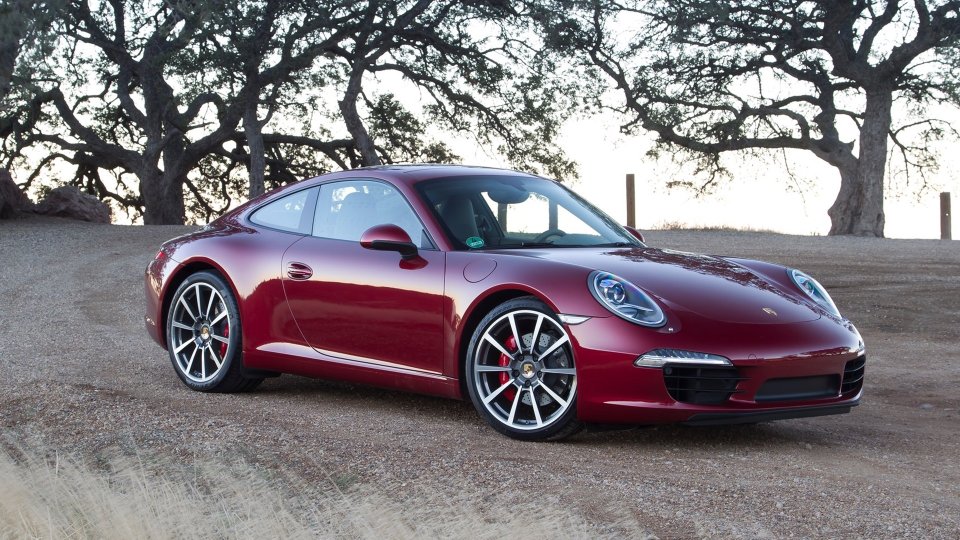

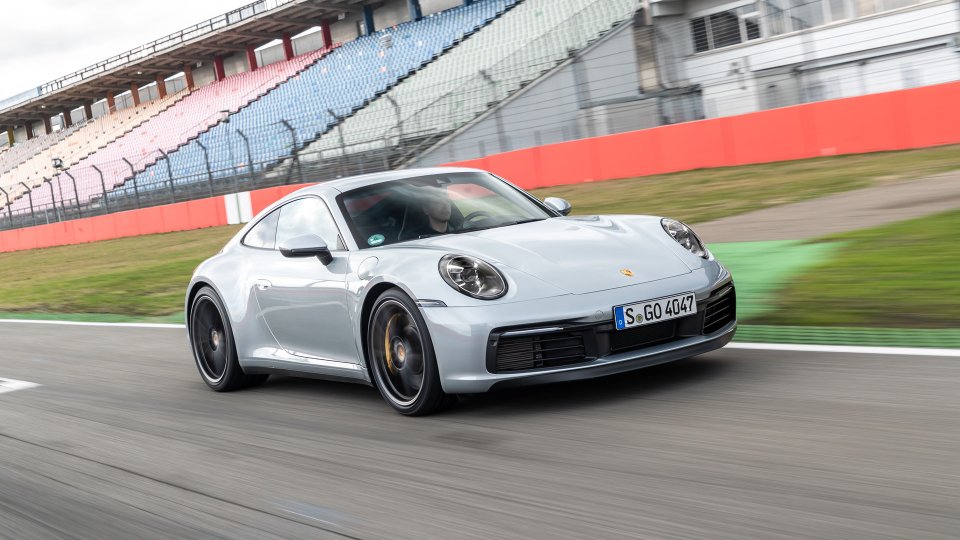
Porsche introduced the world's first seven-speed manual transmission in a production car with the 991-generation 911 for in 2012. That means the 911 effectively created the seven-speed manual category. We first saw it in the original 991 Carrera and Carrera S paired with naturally aspirated flat-six engines producing 350 and 400 horsepower respectively.
At first glance, adding a seventh gear to a sports car might seem unnecessary, but Porsche's reasoning was actually quite practical. The first six gears were for perfromace but the seventh just a very tall gear for relaxed highway cruising and improved fuel economy. It was simply there because Porsche wanted to combine performance with high-speed efficiency.
The gearbox itself was developed using the architecture of Porsche's seven-speed PDK dual-clutch transmission. Porsche was able to reuse elements of the modular transmission design while adapting it for a conventional clutch and manual gear lever. This sounds like some thin were now seeing from Koneigsegg and Ferrari, but unlike those this is a real manual, not simulated.
The 911’s manual uses a conventional H-pattern layout, essentially giving the driver the familiar experience of a six-speed manual with one additional gear at the top. The seven-speed manual subsequently spread through numerous 991 variants but never made it to the GT cars. Porsche then carried it over to the 992 generation. The 911 Carrera T still uses the seven-speed manual. Porsche has is still one of those automakers committed to making manuls or its customers. Si it comes as no surprise that it was the first to enter this segment, and it remains one of the last.
Chevrolet Corvette C7
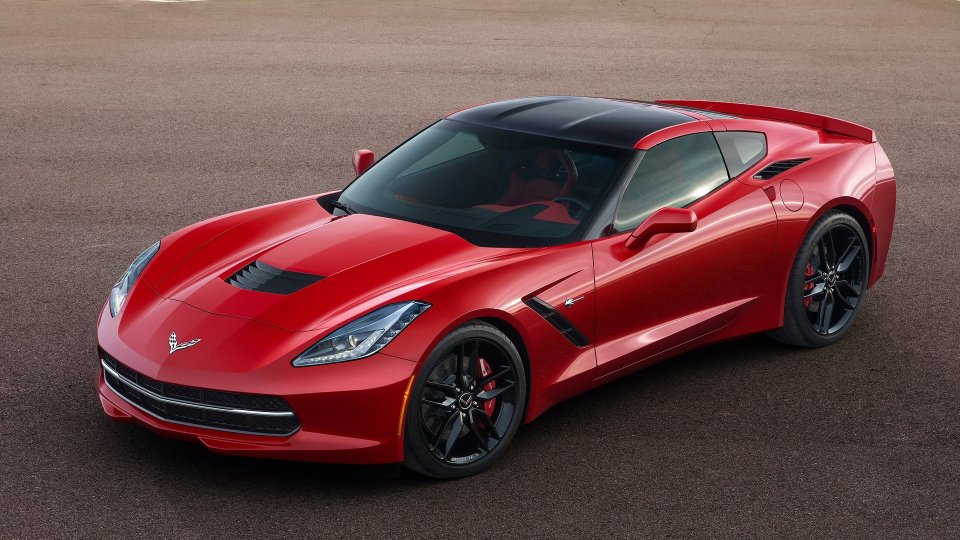
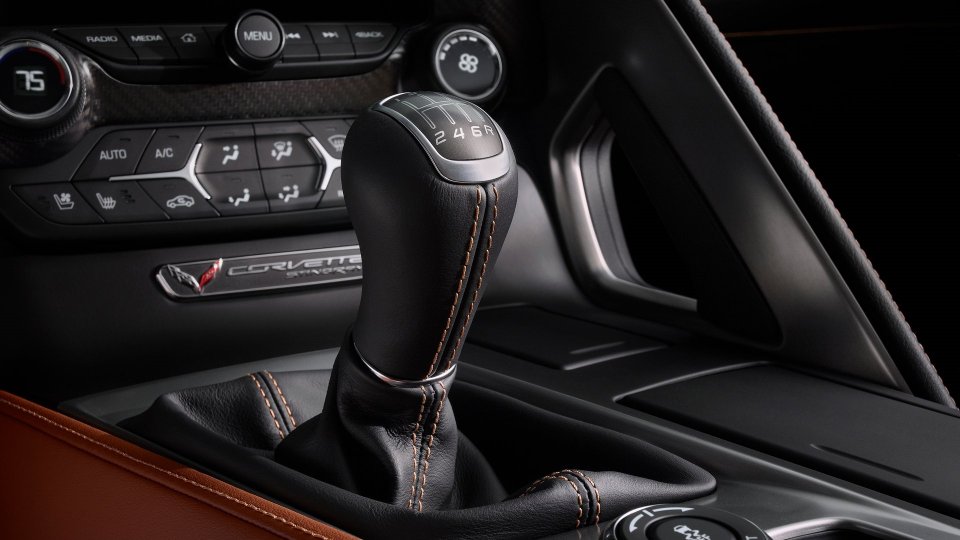
Porsche may have started the seven-speed manual era, but Chevy joined shortly. When the C7 Corvette Stingray arrived for 2014, Chevrolet paired its new LT1 6.2-liter V8 with the Tremec TR-6070 seven-speed manual. The 2014 Stingray was the first vehicle to use the new Tremec transmission.
The TR-6070 evolved from Tremec's TR-6060 six-speed and added another overdrive gear. First through fourth could be used for aggressive, sporty, or track driving. You hit top speed in fifth, while sixth and seventh are mainly for highway cruising. That made the seven-speed Corvette gearbox useful both on a back road and on a long highway trip. There was also another clever feature: Active Rev Matching.
The Corvette could monitor the driver's gear selection and automatically blip the throttle to match engine speed during shifts. Some purists hate this, but you can easily turn it off. The seven-speed manual appeared in the Stingray, Grand Sport, Z06, and eventually the supercharged ZR1. With a supercharged 6.2-liter LT5 V8 making 755 hp and 715 lb-ft of torque, the ZR1 was the wildest application of the TR-6070. The idea of rowing through seven manual gears while controlling 755 horsepower is exactly the sort of thing that makes this transmission interesting in the first place.
The C7 ultimately became the final Corvette generation to offer a manual transmission. When the mid-engine C8 arrived for 2020, Chevrolet switched to an eight-speed Tremec dual-clutch transmission and dropped the clutch pedal entirely. So the Corvette's seven-speed manual was only available for one generation from the 2014 Stingray and ended with the 2019 ZR1.
Aston Martin V12 Vantage S


Aston Martin's approach to this is where things get interesting. The 2017 V12 Vantage S was the first Aston to receive a seven-speed manual transmission, but Aston Martin did not simply add another gear to a conventional six-speed. Instead, it used a dog-leg layout. That means first gear sits where second gear would normally be in a conventional H-pattern. The remaining gears are arranged so that second through seventh form a more familiar double-H pattern.
Why? Because in a performance car, first gear is rarely used once the car is moving. You spend more time using other gears on a winding road or racetrack. The dog-leg arrangement puts the most frequently used gears into a convenient pattern. It also gives the V12 Vantage S an experience that its ordinary six-speed contemporaries couldn't: a gearbox that feels like it came from a racing car.
The V12 Vantage S was already an unusual machine. Its 5.9-liter naturally aspirated V12 produced 565 horsepower, and the car could reach 205 mph. Giving that engine a seven-speed dog-leg manual only made the experience more exotic. There was another clever piece of technology attached to the gearbox: AMSHIFT. This is simply rev matching with the added benefit of allowing you to perform full-throttle upshifts without lifting off the accelerator. It was the brand's first seven-speed manual, and it established the dog-leg format that Aston Martin would use again.
Aston Martin Vantage AMR and Vantage


Aston Martin wasn't finished with the seven-speed manual. When the Vantage AMR arrived in 2019, Aston Martin once again reached for a seven-speed dog-leg gearbox. This time, the transmission was developed by Dana Graziano, and Aston Martin explicitly described it as a motorsport-inspired seven-speed transmission. Like the V12 Vantage S, it placed first gear in the dog-leg position while gears two through seven followed a conventional double-H arrangement. But the application was completely different.
Instead of a naturally aspirated V12, the Vantage AMR used the AMG-sourced 4.0-liter twin-turbo V8 producing 510 hp and 461 lb-ft of torque. Aston Martin made sure the AMR felt special. The manual gearbox was combined with a limited-slip differential, carbon-ceramic brakes, and it weighed less than the regular Vantage. It also featured AMSHIFT again. The first Vantage AMR was limited to just 200 examples, including 59 cars built to the special Vantage 59 specification to celebrate Aston Martin's historic 1959 24 Hours of Le Mans victory.
Ford Bronco
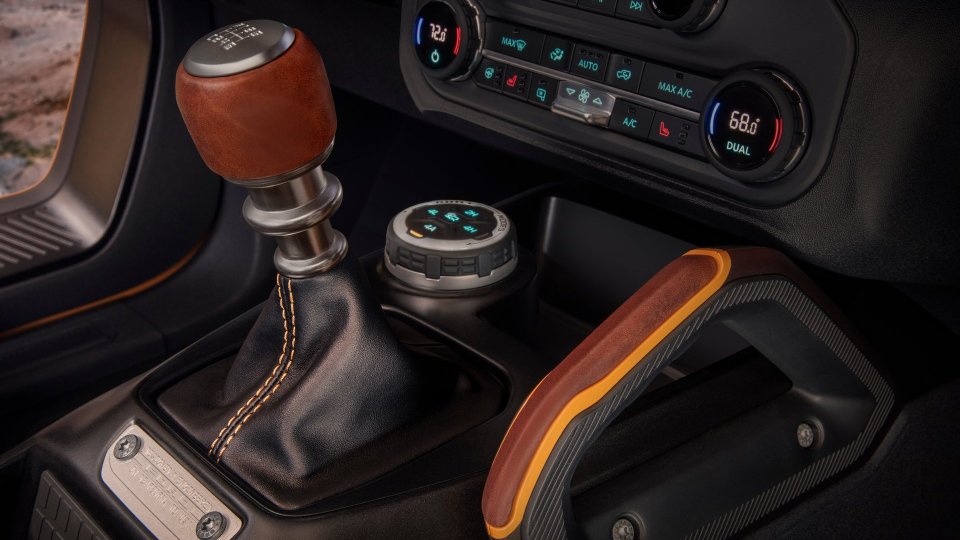
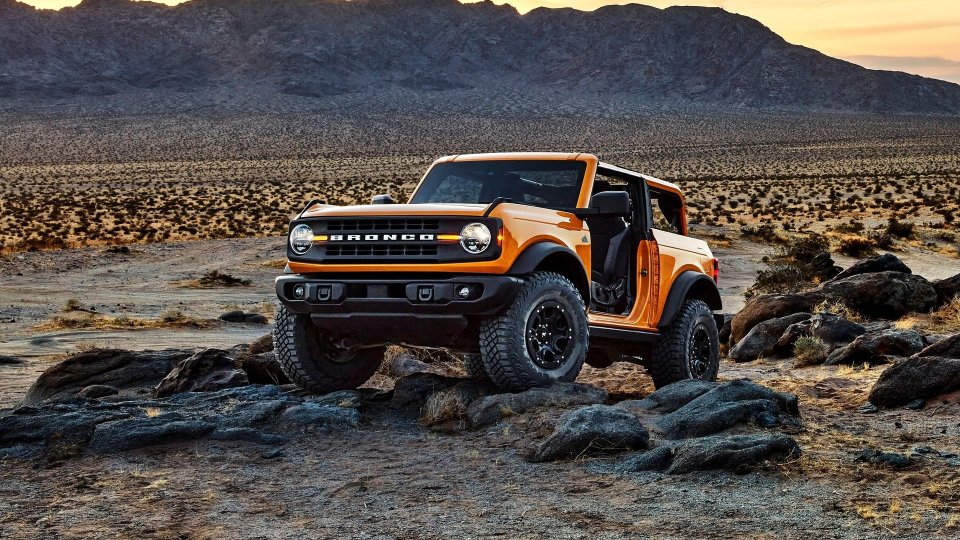
The Ford Bronco.looks completely out of place beside Porsche 911s, Corvettes, Aston Martins. But the Bronco absolutely qualifies to be here. When the sixth-generation Bronco launched in 2021, Ford offered a seven-speed manual transmission with its 2.3-liter EcoBoost four-cylinder. The seventh gear is actually the crawler gear.
The crawler gear is positioned separately from the normal H-pattern and is protected by a collar on the gear lever. You have to lift the collar before moving the lever into crawler gear, preventing an accidental selection when the driver intends to select second gear. The Bronco's crawler gear is used in difficult terrain and helps the vehicle get moving in situations where a conventional first gear would be too tall. This should never be used during normal driving. That makes the Bronco perhaps the strangest member of this entire group and shows an entirely different application of an extra gear.
Pagani Utopia
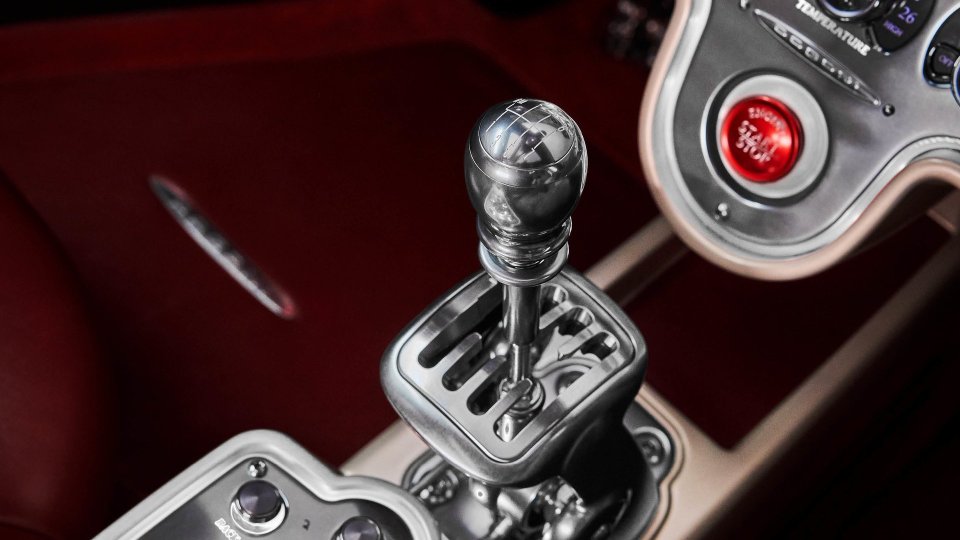
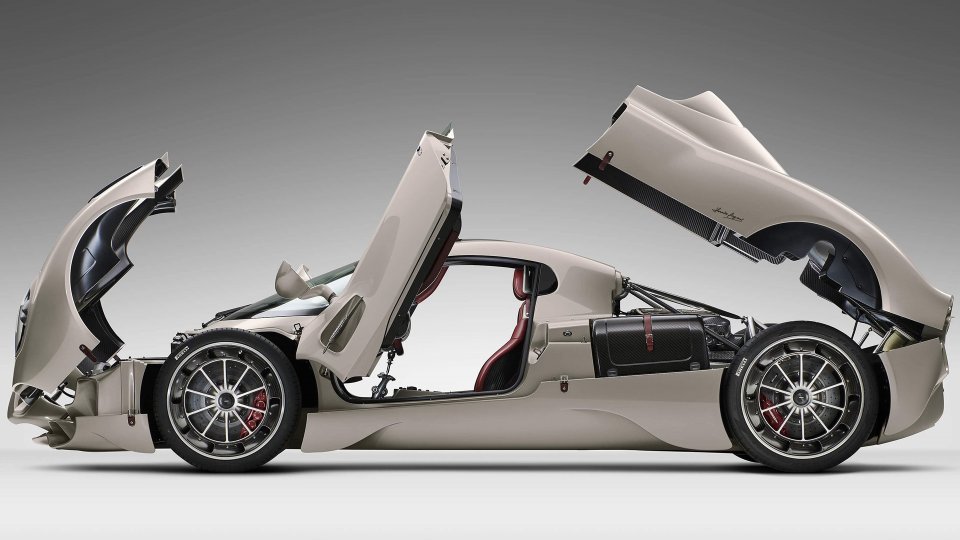
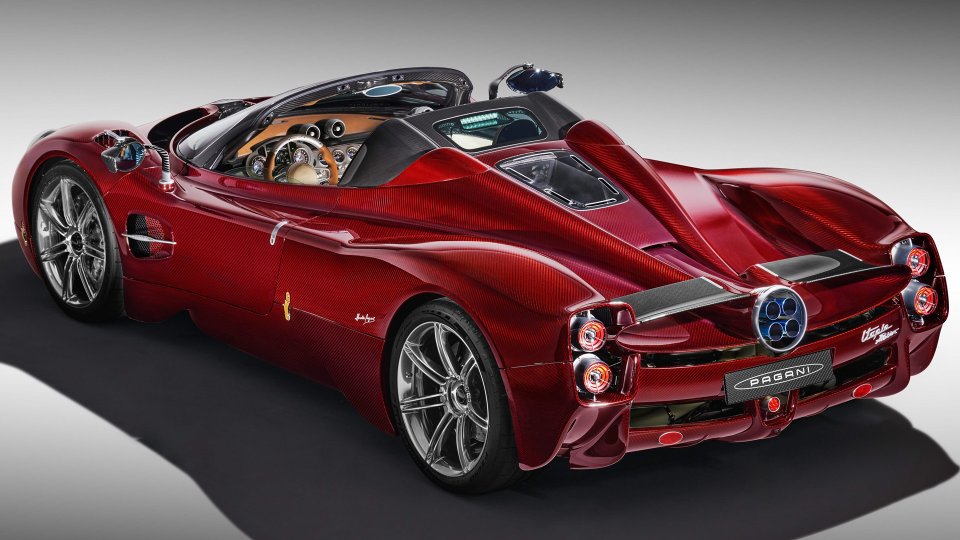
If the seven-speed manual is already rare, the Utopia takes the concept to an entirely different level. Pagani could have used a dual-clutch transmission. Almost every manufacturer building a car like this would probably do that but Pagani didn’t. Instead, it worked with Xtrac to develop a bespoke seven-speed manual transmission The gearbox was developed specifically to deliver the mechanical experience Pagani wanted.
The Utopia's 6.0-liter twin-turbo V12 produces 864 hp and 811 lb-ft of torque. Combine that engine with this gearbox and it makes the Utopia a very unique vehicle. A lot of new cars that come with manual try to go with naturally aspirated engines because they sound better and the torque is more manageable. Pagani stuck to it’s airplane sounding V12 and says the seven-speed gearbox had to use synchronizer rings to be capable of handling that enormous torque while remaining suitable for it’s pure manual application.
The shifter itself is a beautifully exposed mechanical gear lever with a titanium gate. Pagani essentially turned the transmission into part of the interior's artwork. The mechanism isn't hidden behind a modern electronic selector or a plastic console. You can see the machinery working and that is very much the point.
The Utopia was conceived during an era when most supercar manufacturers were moving toward automated transmissions, hybridization and increasingly sophisticated electronic controls. Pagani went in almost the opposite direction. It gave the drivers what they wanted.
The Utopia Coupé is limited to 99 cars, making the manual version exceptionally rare from the beginning. The Utopia Roadster followed the same philosophy, retaining the seven-speed manual as an option alongside the automated gearbox but with more units produced, at 130 cars. Thai car wasn't trying to be economical, have a low crawler gear, or maximize fuel efficiency. It is a multimillion-dollar V12 supercar where the manufacturer deliberately chose to give the driver more work to do. And somehow, that makes perfect sense.
Why Are Seven-Speed Manuals So Rare?
Seven-speed manuals occupy a strange little corner of the automotive world. Six speeds are the go-to choice for performance cars; they work well and aren’t unnecessarily complicated. Once manufacturers needed more gears, automatic transmissions were much better suited to the job. An automatic can shift through seven, eight, nine or even ten gears without the driver noticing. A manual cannot. But look at the cars that actually used one and a pattern emerges. These are all enthusiast cars; adding something like this also makes it very interesting.
Recommended Articles
Every Type of 10-Speed Automatic Transmission Explained
Project Endgame: An Ironman-inspired Guntherwerks 911
Reimagining the Air-Cooled Icon: The Most Famous Porsche Restomod Companies
The Mercedes CLE 646 Spezialanfertigung Is A V8 Track Special We Never Saw Coming
McLaren's New McL 6GT Brings Bruce McLaren's Forgotten Road Car Dream Back to Life

The Hennessey Blackbird Is Its Least Powerful Hypercar
19 Brand-New Manual Sports Cars Under $100,000 in 2026
2027 Nissan Rogue Hybrid Has A Gas Engine That Never Drives The Wheels
2028 Toyota Hilux FCEV Targets 248 Miles of Range
Porsche Wants Its Old EV Batteries To Come Back As New Ones

Join the Conversation
Comments
Loading comments…
No comments yet. Be the first to start the conversation.