
Reimagining the Air-Cooled Icon: The Most Famous Porsche Restomod Companies
Explore the top restomod companies breathing new life into the classic air-cooled Porsche 911


The air-cooled Porsche 911 has to be the most modified sports car of all time. From classic restorations to full-blown restomods where the latest engineering is used to rebuild some of the best 911s you’ve ever seen. Reimagining an air-cooled Porsche requires a delicate balance: you have to respect the 911 heritage, but completely re-engineer everything to modern sports car standards or, in some cases, freely build the car the way you want while preserving the 911 identity.
Each company is mostly focused on enhancing the connected driver experience we love in the 911s. So, whether you want a fully restored classic, a fun street car, a high-revving canyon carver, a rally-inspired monster, or just a cool-looking 911, these seven companies are defining what it means to have a true custom 911.
Singer Vehicle Design
Target Chassis: 964 911 (1989–1994), backdated aesthetically to classic late-1960s/1970s styling.
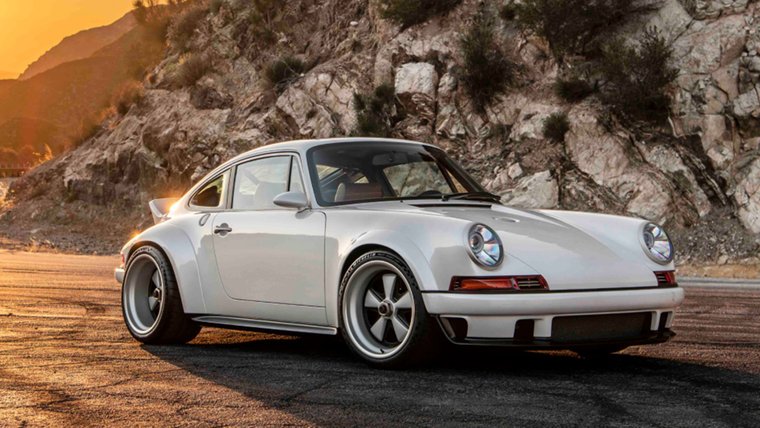
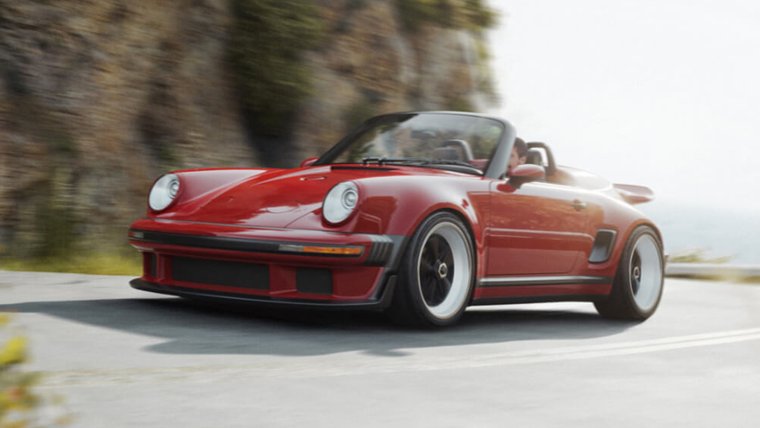
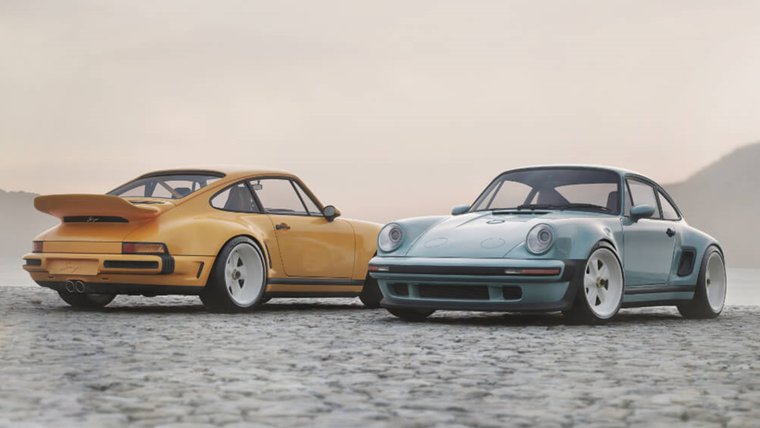
Singer was not even close to being the first company to mod a 911, but they have quickly become the benchmark company in the 911 restomod scene. Founded in 2009 by Rob Dickinson with its headquarters in California, Dickinson set out with a simple motto: "Everything is Important." Singer doesn't restomod cars; they reimagine classic air-cooled 911s into bespoke functional art. The donor cars may be 964s, but they backdate the styling to capture the classic aesthetic of early 911s.
The current Singer lineup includes:
- Singer 911 Carrera Coupe/Cabriolet: Singer wanted to bring the experience of buying a new 911 in the 1980s. So this is its own version of what a brand new Singer 911 Carrera would be.
- Singer Classic/Classic Turbo: These set out to enhance every area of the classic 911. Power comes from naturally aspirated 3.8-liter or 4.0-liter air-cooled flat-six pushing out between 300 and 390 HP. This car weighs around 2,600 lbs, which is almost 500 lbs lighter than the donor 911. Turbo variants make around 450–510 hp.
- Singer DLS/SLS Turbo: The Dynamics and Lightweight Study (DLS) takes this to another level, shaving off another 300-400 lbs from the already light classic. This uses a 4.0-liter 4-valve flat-six engineered alongside Williams Advanced Engineering, pushing a wild 500 HP with a 9,000 RPM redline. Turbo models make a scary 700 HP.
Production is strictly limited for exclusivity; the Classic/Classic Turbo is capped at 450/70 units, the DLS/DLS Turbo are 75/99 units, and Carreras are roughly 75 total. Getting one into your garage requires deep pockets; prices start around $500,000 for standard Classic conversions and easily skyrocket to between $1.8 million and $2.5 million+ for bespoke DLS or Turbo commissions, donor car excluded.
RUF Automobile
Target Chassis: G-Series, 964, 993.
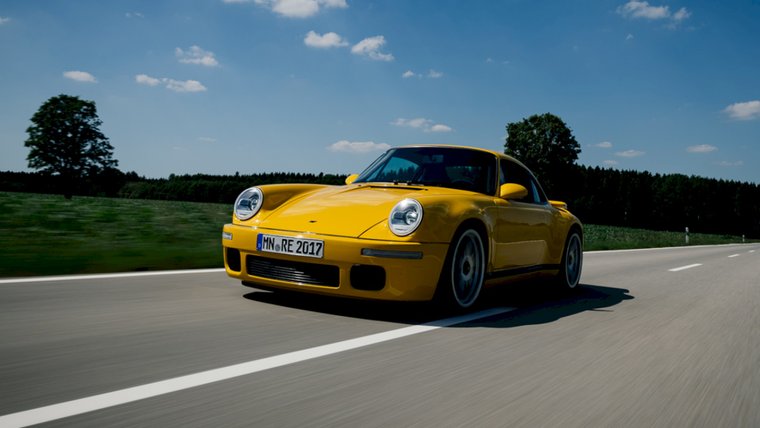
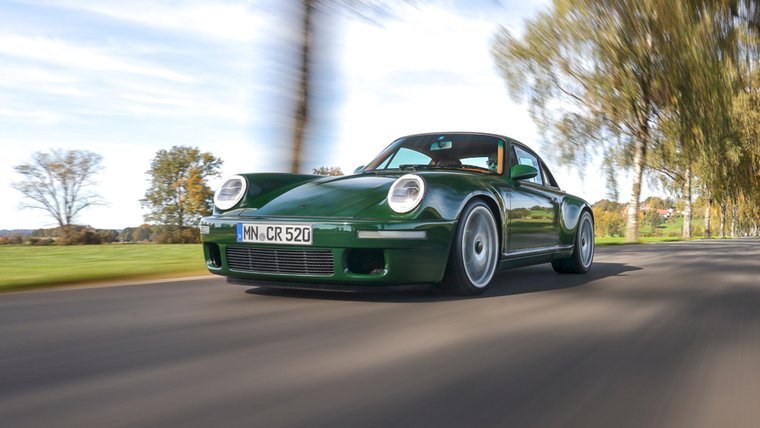
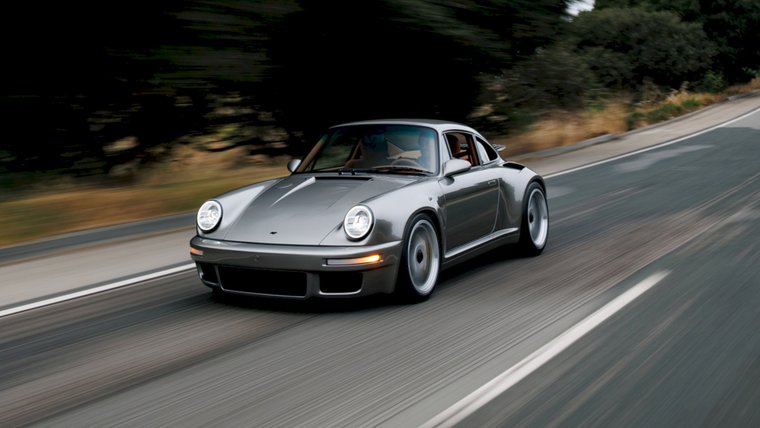
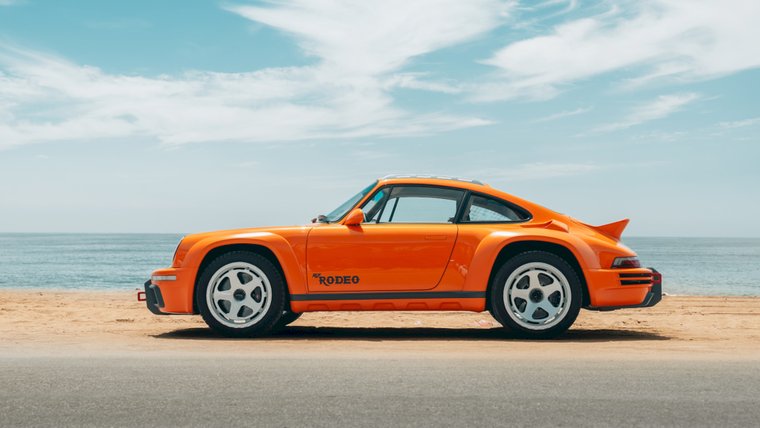
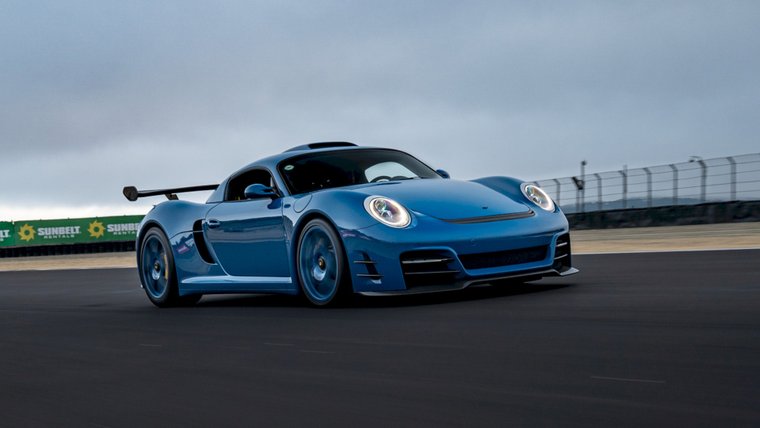
Calling RUF a simple restomod company does not do them justice. RUF is officially certified as an independent automobile manufacturer. What started in 1939 under Alois Ruf Sr. as a modest auto repair shop evolved dramatically when his son, Alois Ruf Jr., shifted focus to high-performance Porsche tuning and custom builds in the late 1970s.
RUF cemented its legend with the 1987 CTR "Yellowbird," which shocked the automotive world by hitting 211 mph to become the fastest production car on Earth. RUF is still in business today, and their modern lineup includes the CTR Anniversary, the naturally aspirated SCR, the off-road Rodeo, and the mid-engine CTR3 EVO. These cars are powered by either a twin-turbo or naturally aspirated 3.6-liter to 4.0-liter flat-six engine. They make around 510 HP in the SCR up to a brutal 710 to 800 HP with over 730 lb-ft of torque in their twin-turbo cars.
Because every car is hand-built from the ground up, RUF keeps production tiny at roughly 30 to 50 vehicles per year. Acquiring one of their custom creations will typically cost anywhere from $750,000 to over $1.2 million.
Tuthill Porsche
Target Chassis: Early short-wheelbase 911s, G-Series, 964s.
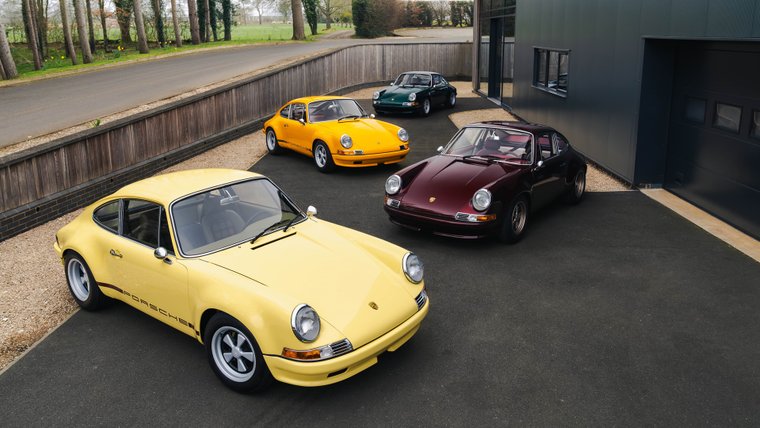
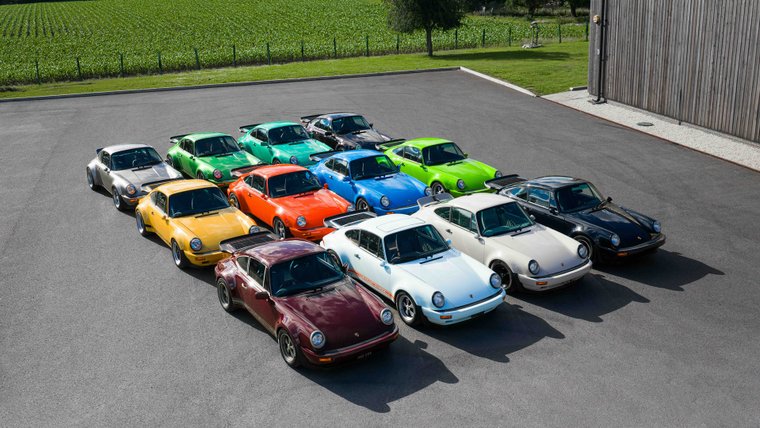
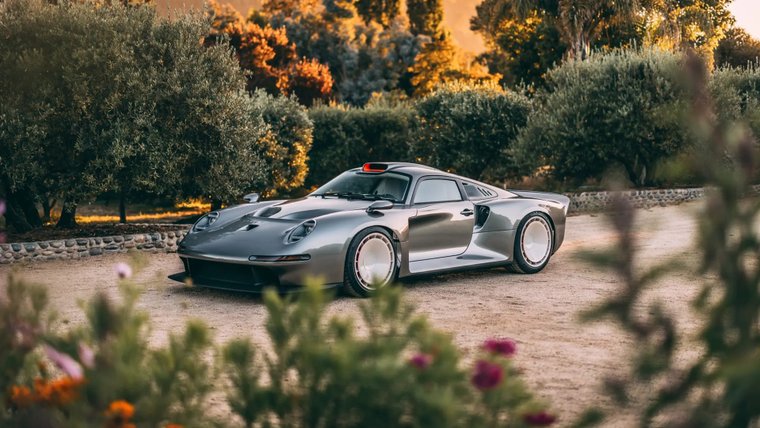
Hailing from Oxfordshire, UK, Tuthill lives and breathes pure motorsport. Founded by Francis Tuthill over four decades ago as a rally prep and repair shop, the firm expanded under his son Richard Tuthill into a world-renowned restoration shop. These aren’t your boujee 911s; these cars are over-engineered to take severe, punishing abuse in extreme events like the East African Safari Classic Rally.
Among their most famous creations are the ultra-lightweight Tuthill 911K with a 3.1-liter flat six that revs to an astonishing 11,000 RPM redline, which is their iconic Safari 911 rally weapon, and the GT1-inspired Tuthill GT One. They have a range of air-cooled flat six engines from 3.0 liters to 4.0 liters in displacement. You can expect around 350 HP for vintage rally setups, while extreme builds like the GT One with twin turbos make around 500 to 600+ HP.
Only a small batch of cars are made each year with ultra-exclusive cars like the GT One limited to just 22 units worldwide. High-end rally builds start around $400,000, while bespoke hyper-builds like the 911K and GT One command between $1 million and $1.5 million+.
Gunther Werks
Target Chassis: 993 911 (1994–1998).
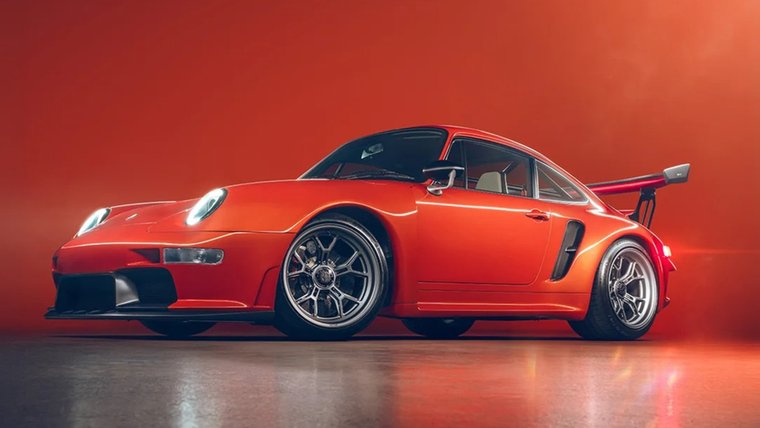
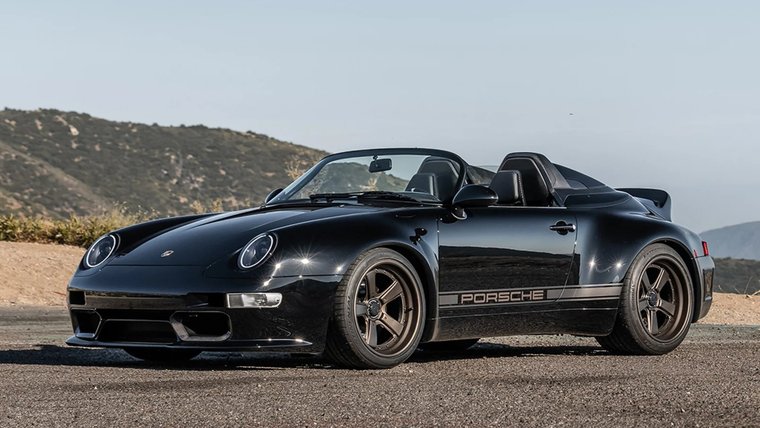
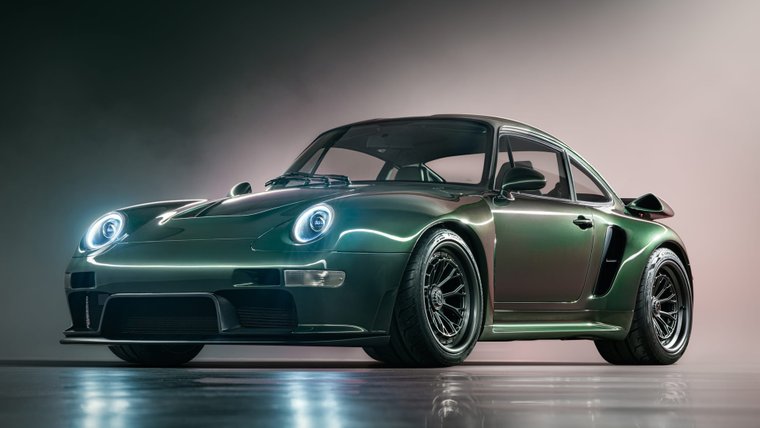
If Singer leans towards the more 1970s retro looks. Southern California’s Gunther Werks is more of the 1990s style. Founded by Peter Nam, Gunther Werks cars are focused on building the ultimate 993 911s. It’s almost like making a GT3 RS version that never existed at the time. With modern lightweight carbon-composite, track-tuned suspension and chassis engineering, they push the final generation of air-cooled 911s to their absolute physical limits.
They have an impressive portfolio of projects, including the track-oriented 400R, the open-top 993 Speedster Remastered, the twin-turboProject Tornado, GWX and GXR-Evo. You also have bespoke one-off cars like Project Endgame. Under the rear decklid sits a custom hand-built 4.0-liter air-cooled flat-six developed by Rothsport Racing, making between 435 and 450 HP in naturally aspirated form. But for those who want terrifying speed, the turbo cars can make between 700+ and 840 HP.
Gunther Werks strictly caps every model run to preserve rarity, allocating just 25 units each for the 400R Coupe, the Speedster, and Project Tornado. Base conversions start around $525,000 to $600,000 (excluding the donor 993), with high-spec twin-turbo commissions and secondary market builds routinely fetching $1 million to $1.5 million.
Theon Design
Target Chassis: 964-generation 911.
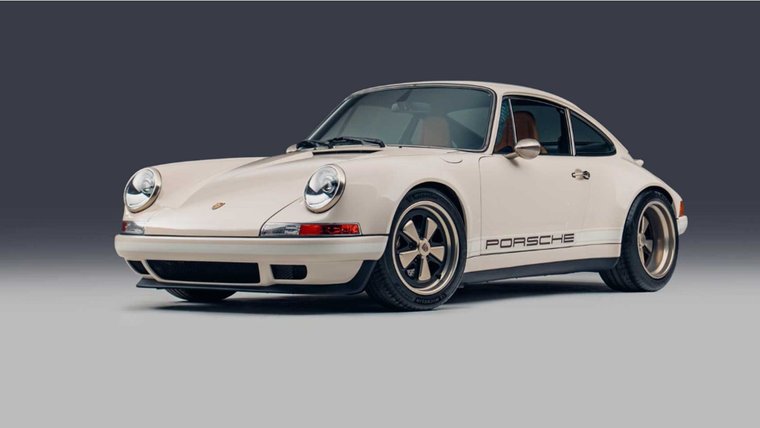
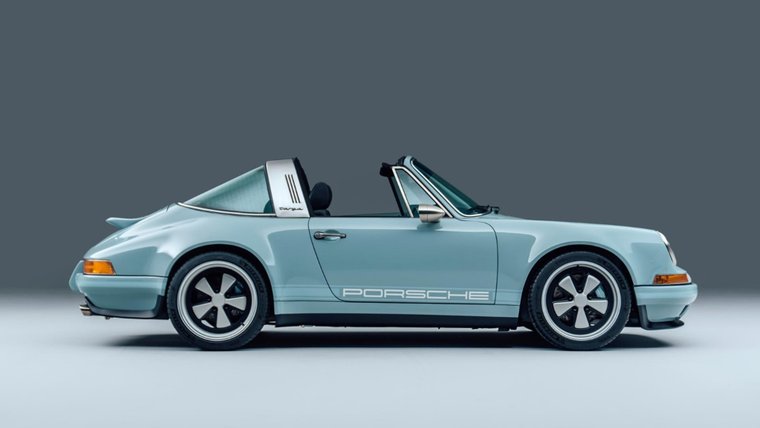
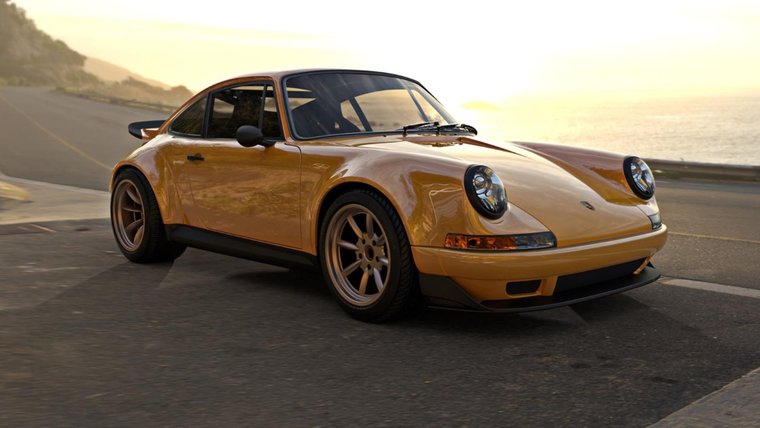
Going back to Oxfordshire in England, Theon Design was created by Luc Brand and his wife Gemma out of a passion for OEM-plus design and precision engineering. Theon focuses on blending modern technology such as aircraft-grade wiring looms, carbon fiber body panels, and updated climate control with the pure, unassisted mechanical steering and driving feedback of classic air-cooled Porsches.
Their cars include the Theon Coupe, Targa, and track-focused Theon R. Engines include 3.6-, 3.8-, or 4.0-liter naturally aspirated air-cooled flat-six engines, alongside a 3.6-liter supercharged option making around 400 hp. The NA flat-six engines make around 370 HP up to 500+ HP. Just like the others, Theon is a low-volume company, handcrafting only a handful of bespoke commissions each year. Pricing for a build starts around $480,000 to $590,000, on top of the base 964 donor car.
Emory Motorsports
Target Chassis: Porsche 356 (356A, 356B, 356C, and 356 Speedster, 1948–1965).
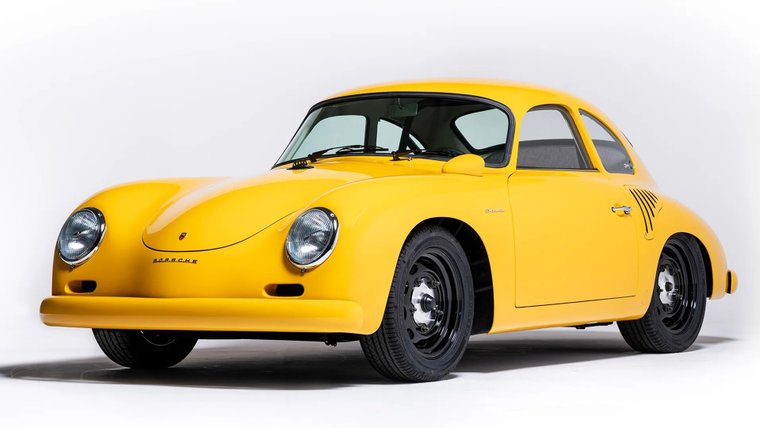
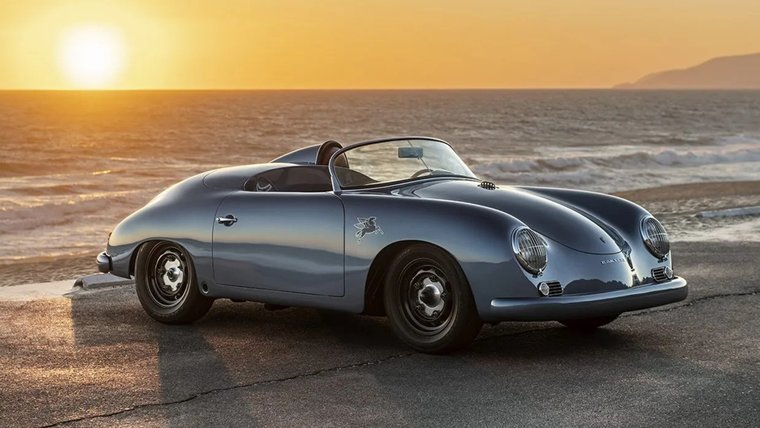
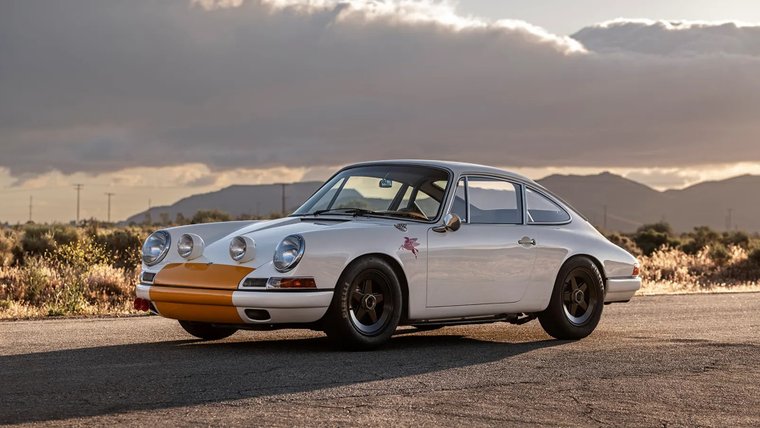
Long before the word "restomod" became a thing, Rod Emory was already perfecting the craft. Founded in 1996 in Oregon before expanding to California, Emory Motorsports has mainly been modifying and restoring the Porsche 356. Drawing inspiration from his grandfather Neil Emory—a legendary custom builder—he began modifying early Porsche 356 models with stiffer race suspensions, subtle body tweaks, and slightly more powerful engines.
Key models include the signature 356 Outlaw, the aggressive All-Wheel-Drive 356 RS (built on a modified 964 platform), and one-off Emory Specials. The heartbeat of an Emory build is their proprietary "Emory-Rothsport Outlaw-4" engine—a bespoke 2.4 to 2.6-liter four-cylinder flat-four. They make around 200 and 275 HP, which is more than enough for a car weighing well under 2,000 pounds.
Only around 10 to 12 cars are handbuilt per year, with a total of under 200 cars made so far. A typical Emory Outlaw build runs between $300,000 and $600,000+ depending on custom metal fabrication requirements.
RWB (RAUH-Welt Begriff)
Target Chassis: G-Series, 964, and 993 generations.
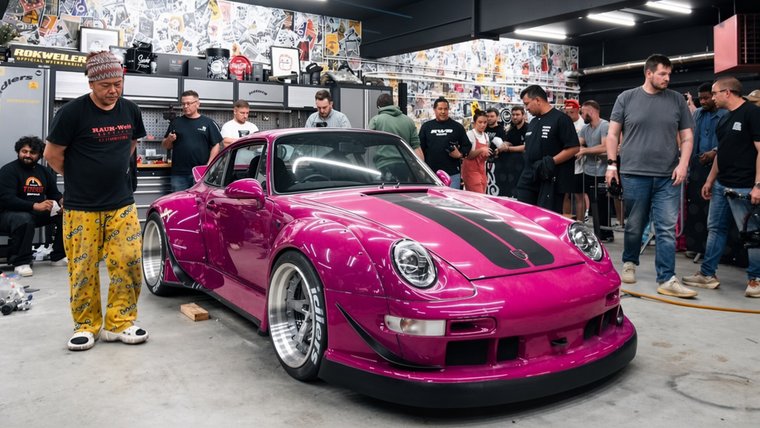
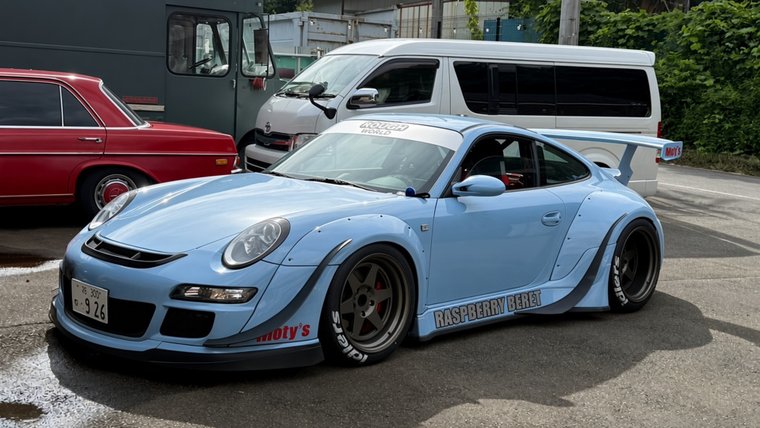
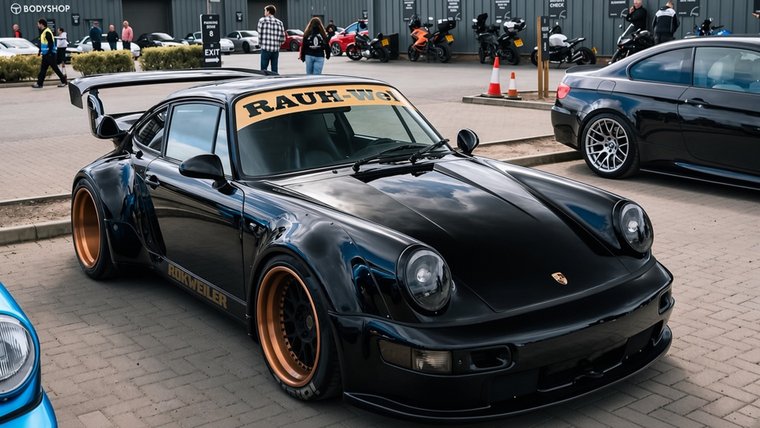
RAUH-Welt Begriff, popularly known as RWB, occupies its own unique corner of the Porsche world. Founded by Akira Nakai in Chiba, Japan, RWB is less of a traditional engineering shop and more of a global cult phenomenon that blends the Japanese style of wide-bodying cars with vintage German sports car styling. Nakai-san personally travels to customer garages across the world, hand-cutting factory fenders and riveting massive widebody kits, fitting huge rear wings, and slamming the ride height of cars using simple hand tools and pure intuition.
Famous RWB builds include Nakai’s personal matte-black 930 named "Stella Artois," along with iconic customer cars like "Rotana," "Natty Dread," and "Apple." Unlike traditional restomodders, RWB focuses primarily on the aesthetic and stance transformation; engine modifications are left up to the owners. As a result, power levels vary wildly from stock 250 HP air-cooled engines to twin-turbocharged street monsters putting down 500 to 700+ HP.
While there are hundreds of RWB cars worldwide, every single build is a one-of-one original cut, installed, and signed by Nakai-san himself. The body kit, suspension, wheels, and Nakai’s personal conversion labor usually run between $40,000 and $70,000—plus the cost of the donor 911 and any separate mechanical upgrades. Completed RWB cars on the market typically trade anywhere from $200,000 to $400,000+.