
Every Type of 10-Speed Automatic Transmission Explained
A guide to 10-speed automatic transmissions covering their designs, applications, and why more gears matter.


When automatic cars first came into play, it was simply for convenience and ease of driving. But as we know, early automatics were not really great. It wasn’t until we got into five-speed autos in the ’90s that they got really good. Since then, five became six, and eventually eight-speed automatics started appearing everywhere. Then, almost overnight, the industry jumped to ten.
It sounds excessive at first, but there is a reason manufacturers are adding more gears. Ten-speeds keep an engine closer to its power band under hard acceleration and also help maximize fuel economy when cruising normally. But these transmissions aren’t from the Germans; these 10-speeds are being pioneered by American and Japanese automakers. From sports cars to heavy-duty pickups, these are the different 10-speed automatics we have on the market.
Ford's 10-Speed Family: 10R60, 10R80, 10R100 and 10R140
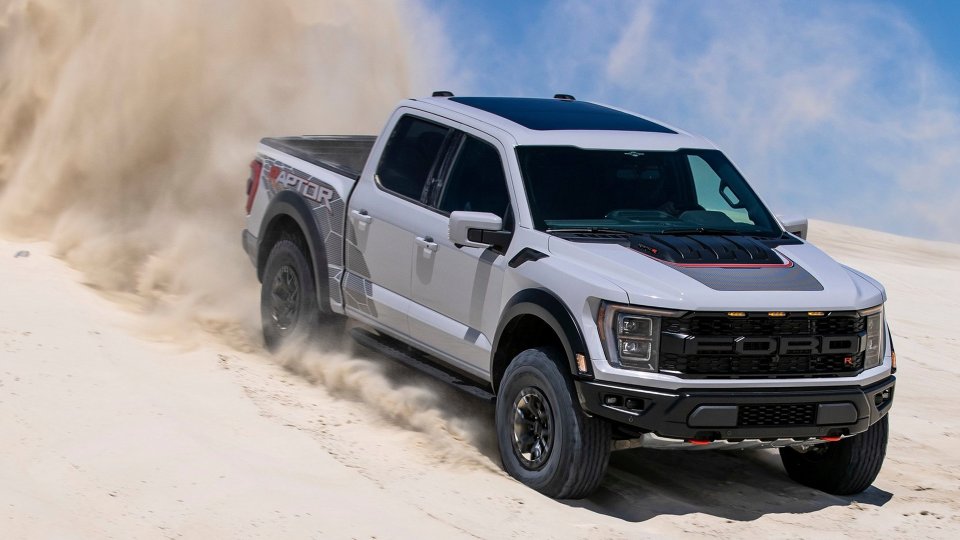
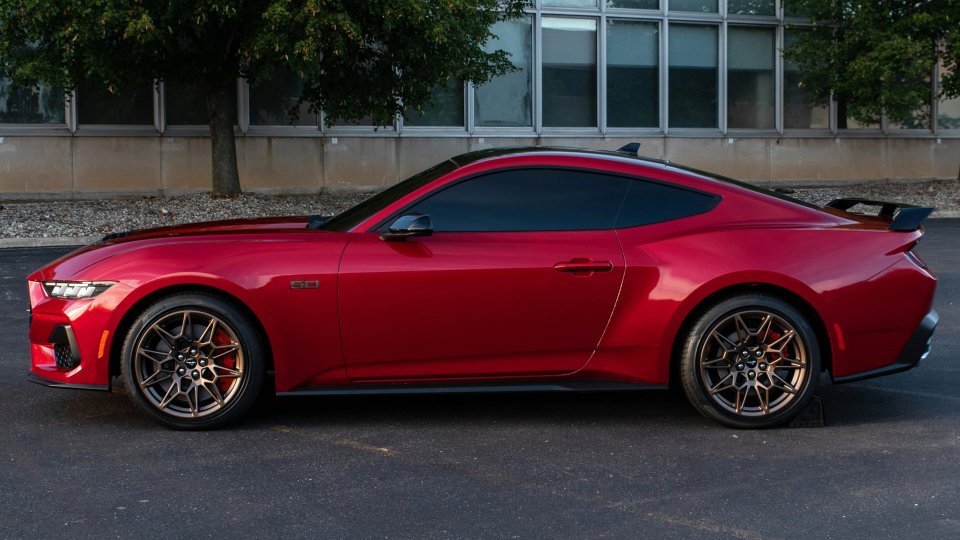
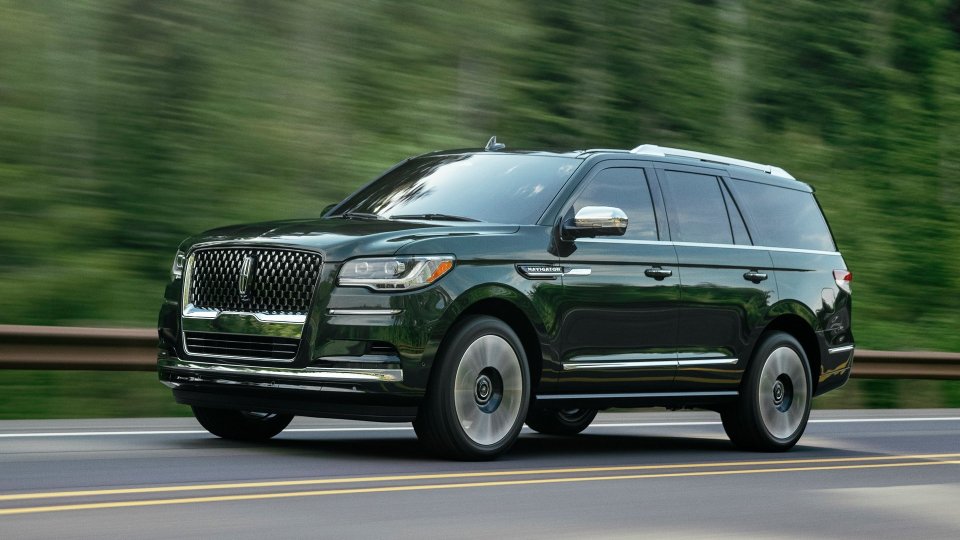
Ford's 10-speed story is probably the most interesting place to start because the company doesn't have one 10-speed that does everything. The basic architecture is the same but evolved into several versions, with differences in torque capacity, packaging, and application.
10R80: Ford's Mainstream 10-Speed
The 10R80 is the transmission that made Ford's 10-speed famous. Developed jointly by Ford and General Motors, we first saw this transmission used in the 2017 Ford F-150 and F-150 Raptor. It was designed to cover a wide range of applications. That made it useful in vehicles like the F-150 and Mustang, which serve two completely different purposes. Ford would use this basic foundation to build even better versions of the same transmission that would suit the desired application.
Applications
- Ford F-150
- Ford Mustang
- Ford Ranger
- Ford Bronco
- Ford Expedition
- Ford Explorer
- Lincoln Navigator
- Lincoln Aviator
- Ford Everest
10R60: The Smaller 10-Speed
The 10R60 is essentially the lighter-duty member of Ford's newer 10-speed family, introduced in 2020. This is for light trucks and SUVs that don't need the enormous torque we expect from Ford’s heavy-duty trucks. One thing to note is that the 10R60 is not “a weaker 10R80.” It is designed around lower-torque powertrains and different use cases.
Applications
- Ford Explorer
- Ford Bronco
- Ford Ranger
10R100: Heavy-Duty Truck Duty
The 10R100 moves into a very different world. This transmission was specifically built for heavier-duty vehicles. That means there’s a huge emphasis on handling torque, durability, and the ability to survive repeated heavy loads. Adding gears isn't the difficult part. Making a transmission like this capable of handling enormous torque is a commendable feat.
Applications
- Ford Super Duty
10R140: Built for Serious Torque
At the top of Ford's 10-speed hierarchy sits the 10R140. This is the heavy-duty transmission designed for Ford's most demanding Super Duty applications. You can’t even compare its intended workload with the 10-speed in a Mustang. The 10R140 exists for a simple reason: pulling and hauling. It can handle up to 1,200 lb-ft of torque and tow loads up to 40,000 lbs. It is a much heavier transmission, but that is expected for the amount of work it is expected to do.
Applications
- Ford Super Duty
- Ford F-250
- Ford F-350
- Ford F-450
GM's 10-Speed Family: 10L60, 10L80, 10L90 and 10L1000
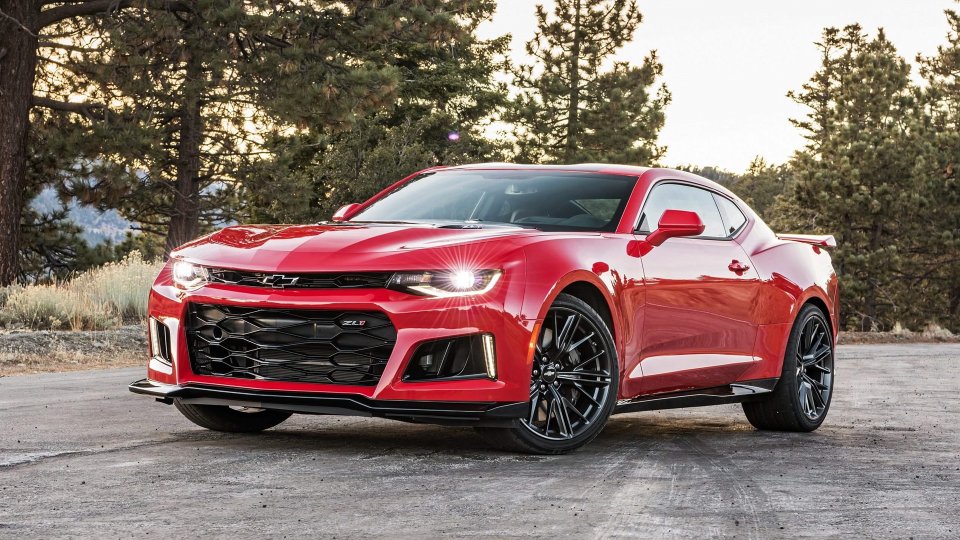
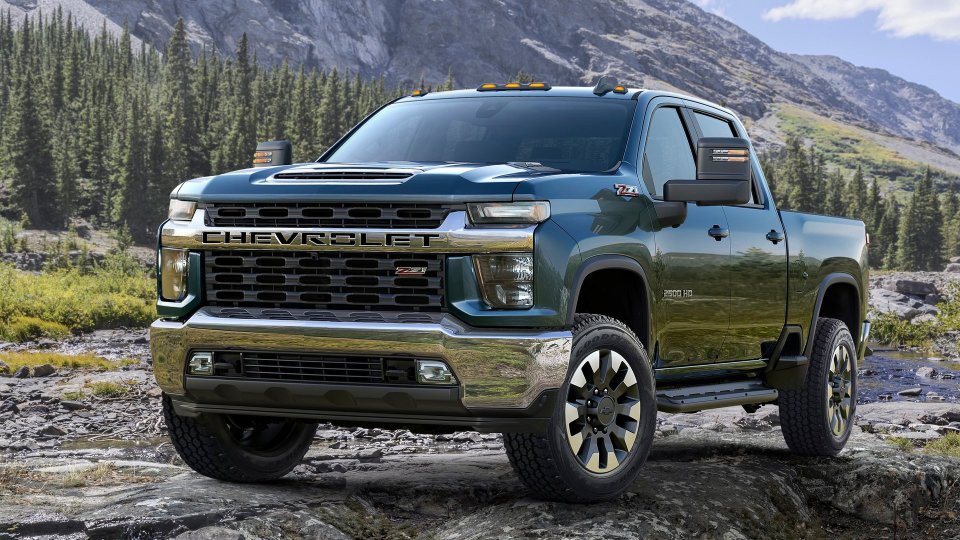
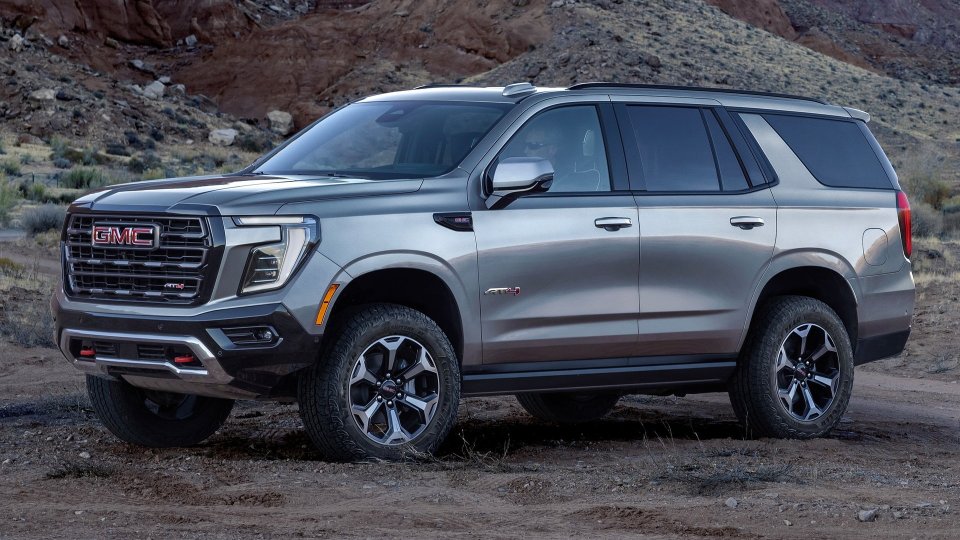
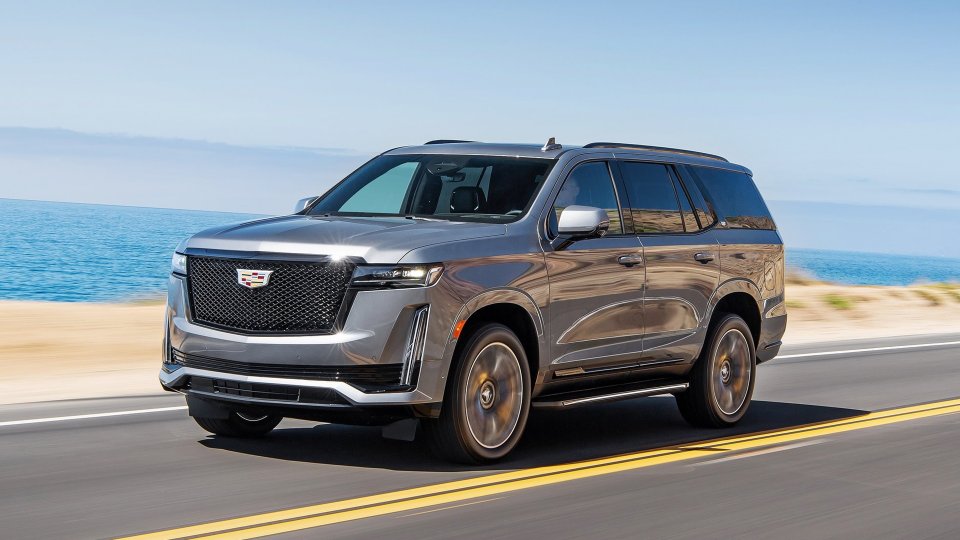
GM's approach is quite similar to Ford's because the two companies jointly developed the original 10-speed architecture. But GM eventually developed several versions for different applications.
10L80: The Mainstream GM 10-Speed
Just like Ford’s 10R80, GM’s 10L80 is the transmission that was widely used across GM's rear-wheel-drive lineup. You can find it in everything from V6-powered vehicles to V8-powered trucks and performance cars. This is the main transmission that was suitable for almost all applications.
Applications
- Chevrolet Camaro
- Chevrolet Silverado 1500
- Chevrolet Tahoe
- Chevrolet Suburban
- GMC Sierra 1500
- GMC Yukon
- Cadillac CT4/CT5
- Cadillac Escalade
10L60: The Lighter Version
Similar to Ford's 10R60, the 10L60 is not meant to carry much load and, in this specific application, was mainly used for performance applications in the V6 Chevrolet Camaro from 2020.
Applications
- Chevrolet Camaro
10L90: The Performance-Oriented 10-Speed
The 10L90 is where GM turns its 10-speed toward serious higher-performance applications. It is stronger than the 10L80 and is designed to handle considerably more torque. That's why it found its way into cars such as the Camaro ZL1 and CT5-V Blackwing, where the transmission has to deal with a supercharged V8 producing enormous torque while also delivering fast shifts.
Applications
- Chevrolet Camaro ZL1
- Cadillac CT5-V Blackwing
10L1000: The Heavy-Duty Truck Transmission
The 10L1000 is a completely different proposition. It is designed for GM's heavy-duty pickups, where the transmission needs to withstand the torque produced by large gasoline and diesel engines while still being able to tow and haul endlessly.
Applications
- Chevrolet Silverado HD
- GMC Sierra HD
Honda's 10-Speed Automatic: 10AT
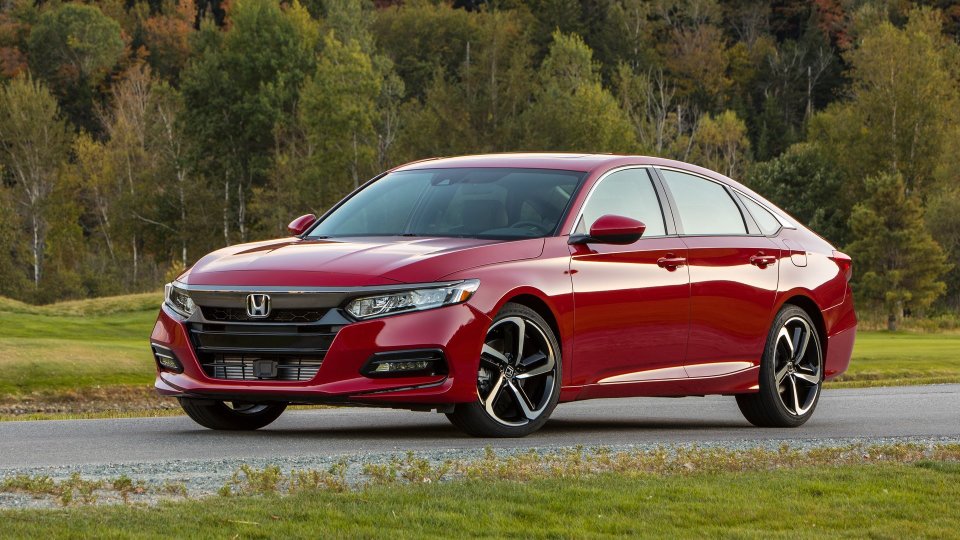
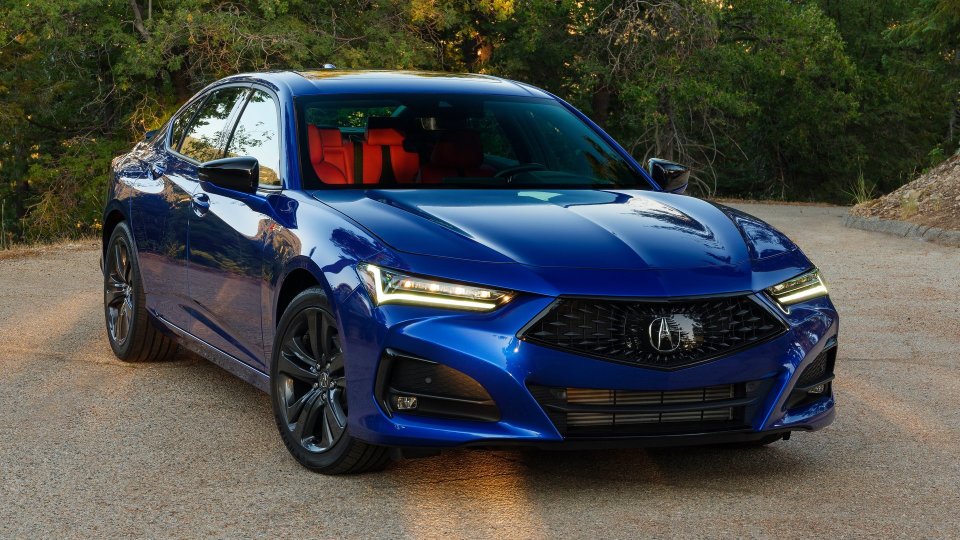
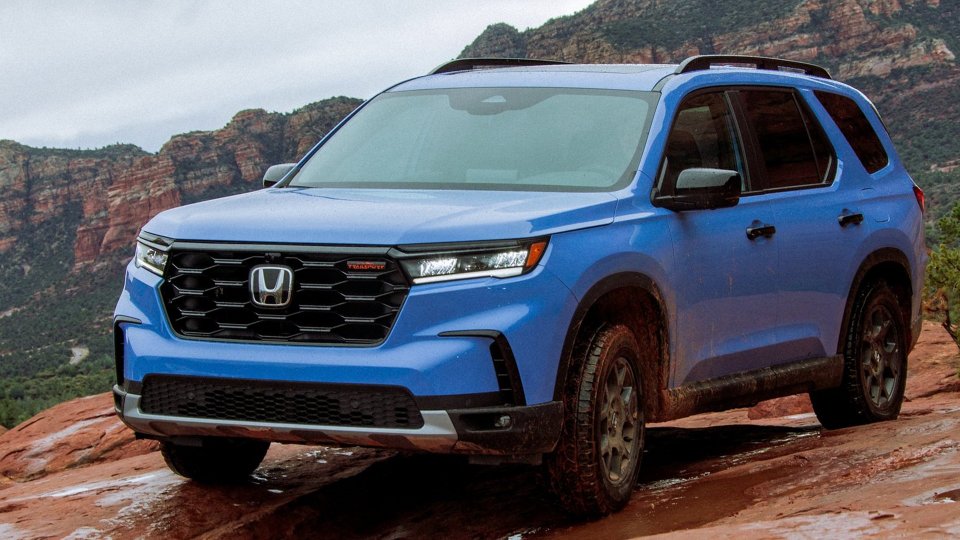
Honda took a different approach. Ford and GM’s 10-speeds were used for some serious high-performance rear-wheel-drive cars and huge-torque truck applications. Honda developed its own transverse 10-speed automatic for front-wheel-drive and all-wheel-drive applications. This is an important point because the transmission has to fit sideways between the engine and the driven wheels. Honda's 10AT was developed to replace the company's older six-speed and nine-speed automatics in several applications, from cars to SUVs, giving its engines better response, acceleration, and fuel economy.
What Makes Honda's 10AT Different?
The biggest difference is its layout and application. Ford and GM's famous 10-speeds are mainly used in longitudinal rear-wheel-drive platforms. Honda's 10AT is designed around transverse powertrains. From its packaging and use, this is mechanically a very different transmission despite having the same number of gears. The most power this transmission has handled so far is 355 hp and 354 lb-ft of torque.
Applications
- Honda Odyssey
- Honda Accord 2.0T
- Honda Pilot
- Honda Passport
- Acura RDX
- Acura TLX
- Acura MDX
- Acura RLX
Toyota and Lexus: Aisin 10-Speed Automatic
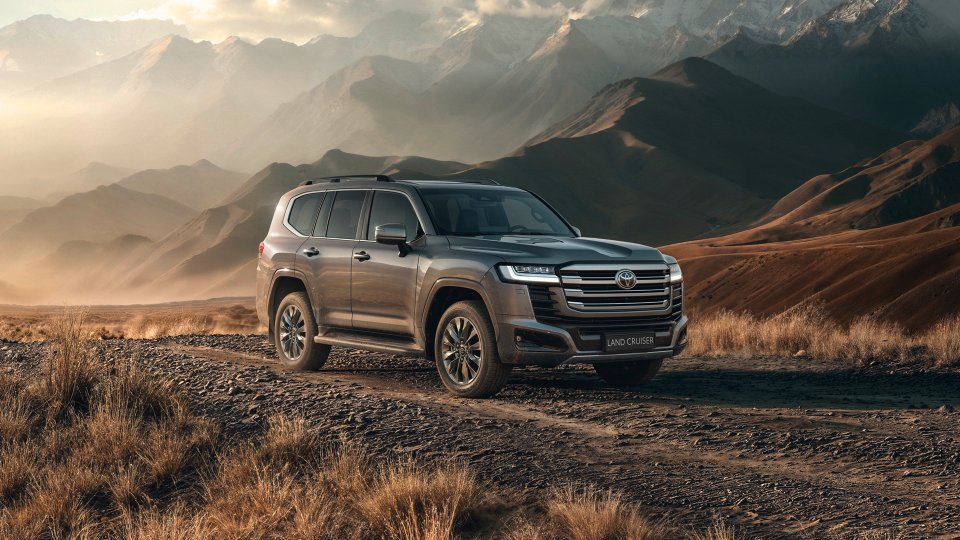
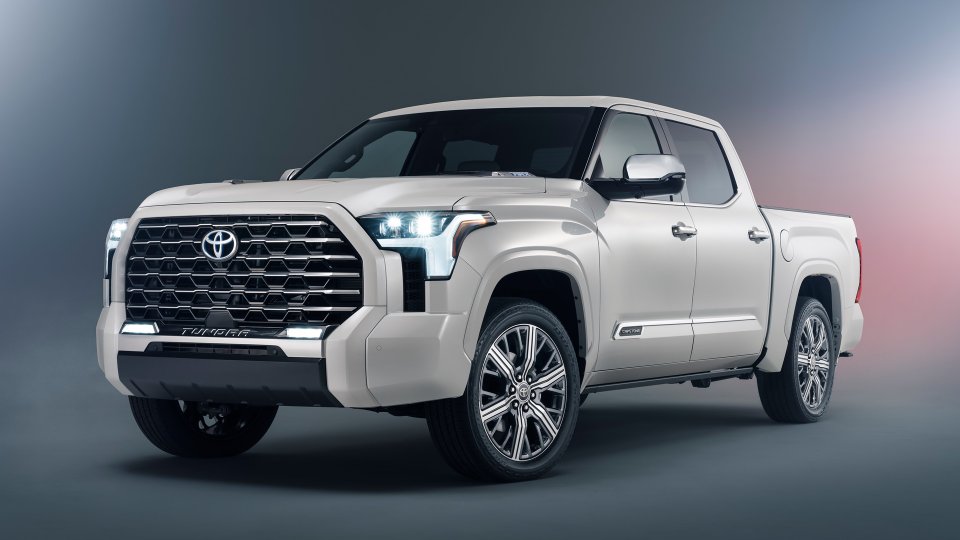
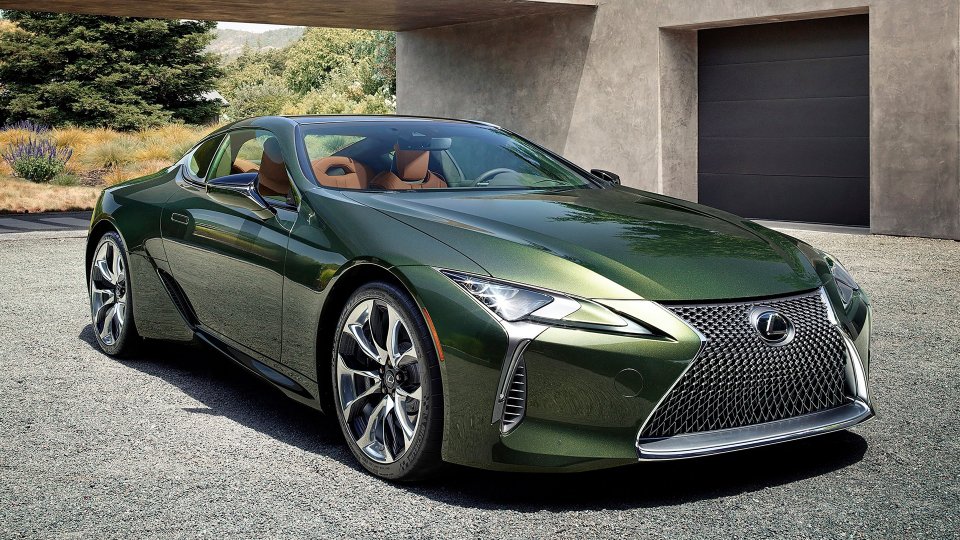
Toyota and Lexus took yet another route. Their 10-speed automatic was developed with Aisin, and unlike Honda's transverse 10AT, Toyota's 10-speed is longitudinal like Ford’s. And just like Ford’s transmission, it powered a number of vehicles with engines ranging from performance-oriented naturally aspirated V8s to turbocharged truck engines.
The LC 500 is perhaps the most memorable application of the transmission. Its naturally aspirated 5.0-liter V8 is paired with a 10-speed automatic that allows Toyota to keep the engine in its power band during sporty driving and even allows you to bounce on the limiter. But drive in a relaxed manner, and it flows into each gear seamlessly and effortlessly. The same transmission is used in trucks and SUVs but tuned for more low-end grunt.
Applications
- Lexus LC 500
- Lexus LS
- Lexus LX
- Toyota Tundra
- Toyota Sequoia
- Toyota Land Cruiser 300
Why Do We Even Need 10 Speeds?
Having ten gears might initially sound excessive, or maybe manufacturers are just trying to make things too complicated. After all, older cars worked perfectly well with four, five, and six gears. But the answer is gear ratio and efficiency. With current strict emissions standards, automakers have to find a way to make their cars more efficient.
Modern engines are very efficient and need a transmission that can take advantage of how good they’ve become. But there is a trade-off. More gears mean more components, more complicated software to control everything, and, if things go wrong, repairs can become very expensive. That is why manufacturers spend so much time and effort calibrating these transmissions to make sure they perform flawlessly.
Recommended Articles
10 New Cars That Don’t Fit The Usual American Automotive Mold

10 Most Luxurious Sedans You Can Buy In America Right Now

The Ford Bronco Filson Is A Luxury Bronco That Still Wants To Go Off-Road

5 Car Features That Sound Smart Until You Actually Own One

2028 Toyota Hilux FCEV Targets 248 Miles of Range

Porsche Wants Its Old EV Batteries To Come Back As New Ones

McLaren Is Building The One Car It Once Said Made No Sense

Join the Conversation
Comments
Loading comments…
No comments yet. Be the first to start the conversation.