
BYD Recalls More Than 180,000 Vehicles Over Brake-Pedal Defect
BYD has recalled over 180,000 older vehicles over a brake defect that leaves your brake lights on.


A brake pedal is one of those parts drivers rarely think about. It is a simple surface that connects the driver and the car’s braking system, but even a small component attached to it can create a huge safety problem if it fails. That is exactly why BYD had to recall over 180,000 vehicles in China to rectify the issue.
The Recall Covers More Than 183,000 BYD Vehicles
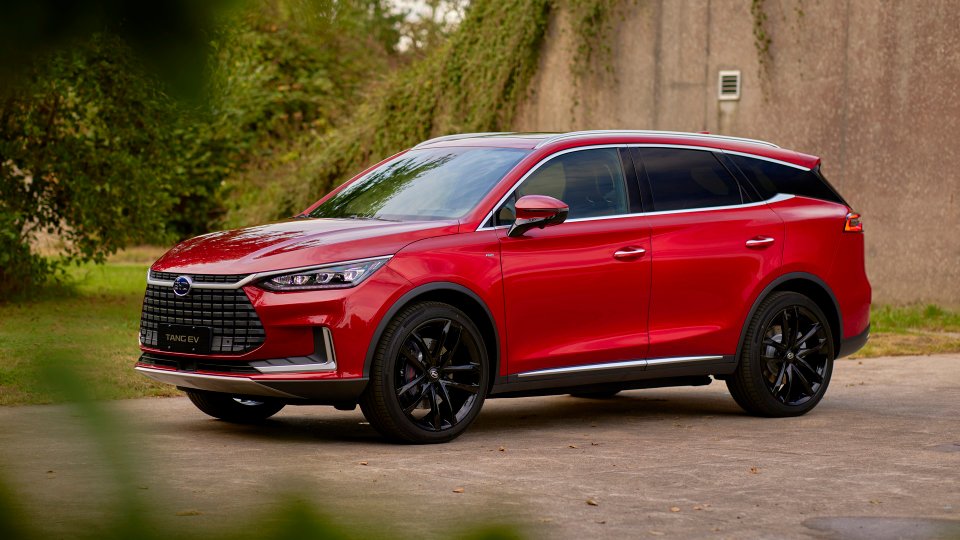
The recall was announced on September 18, 2026, by China's State Administration for Market Regulation (SAMR), which said the affected vehicles were produced over several years between 2014 and 2022.
The largest portion of the recall involves the BYD Tang varaints including:
- 58,026 BYD Tang models built between March 28, 2015, and December 21, 2018
- 77,846 Tang DM models built between May 19, 2018, and January 14, 2022
- 7,023 Tang EV models built between December 27, 2018, and October 25, 2021
- 40,316 BYD Qin models built between June 27, 2014, and June 9, 2019
That is a total of 183,211 units. The recalls does not affect the entire BYD lineup, just specific batches of older Qin and Tang models produced during that timeframe. A recall involving more than 180,000 vehicles can sound like a big problem but it doesn’t affect the company's newest cars.
A Small Brake Component Is Behind the Problem
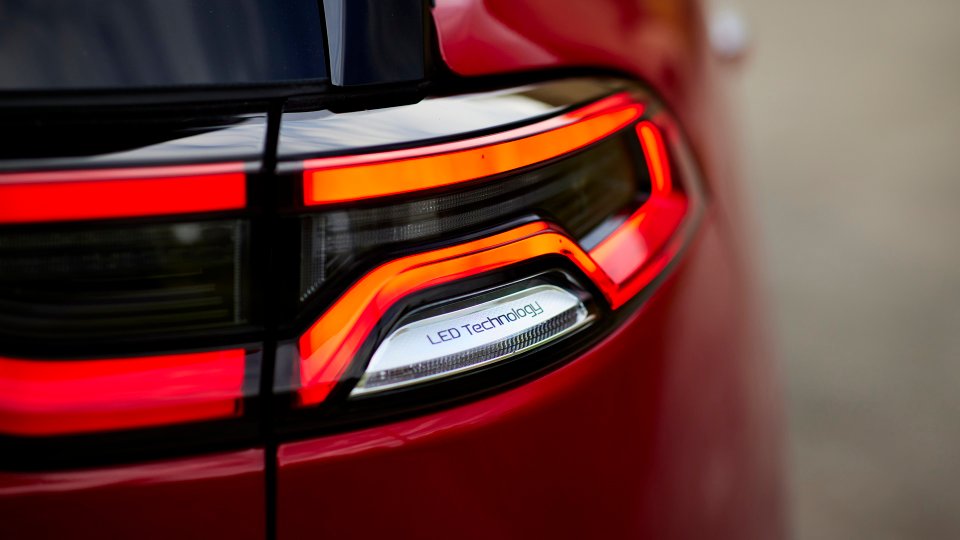
The issue was the brake pedal stopper pad, a small component designed to limit the brake pedal's movement. This was a manufacturing defect, but that does not necessarily mean the vehicle will suddenly lose its brakes. But the defective component can deteriorate over time and, in extreme cases, detach from the brake pedal assembly.
Once the stopper is no longer working as intended, that is where the problem starts, and it becomes visible to other road users. If the stopper detaches, the brake lights can remain on despite the driver not applying the brakes. A vehicle following behind thinks you’re slowing down bout you’re not, and this simple issue can become a serious and unexpected safety hazard.
One thing to note is that this is not your regular brake failure recall. The cars are still stopping as expected, but the risk involves the brake lights remaining on when the brake pedal is not being pressed. That makes this a different type of brake-related recall.
The braking system itself is obviously critical, but modern vehicles rely on several systems working together to communicate the driver's intentions to everyone around them. Brake lights are an important part of that communication. Giving out false information can be dangerous. Like signalling left while you intend to go right.
BYD Will Replace the Defective Parts Free of Charge
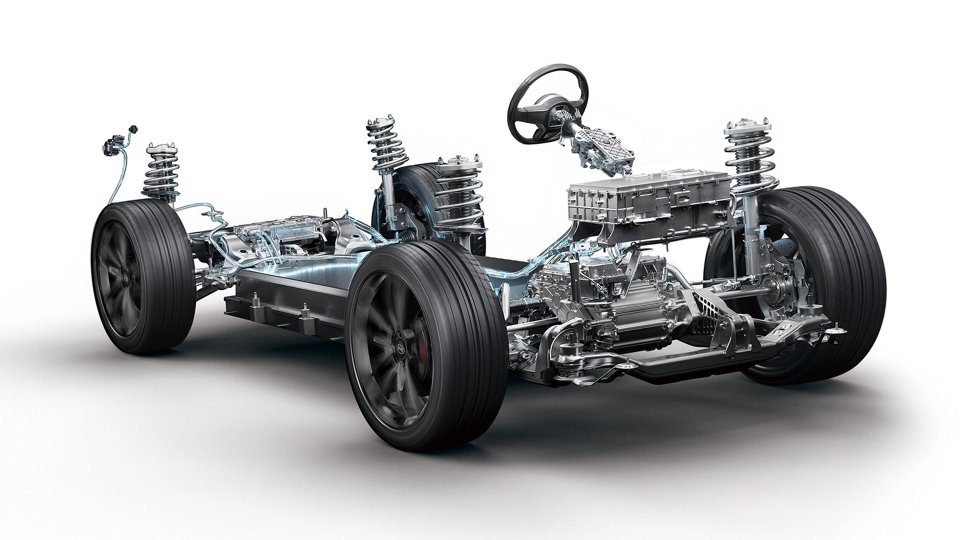
As part of a recall process, BYD's solution is relatively straightforward. Authorized dealers will fix this issue for free. The company will also contact affected owners to make sure they get this done. But there is also an important exception. Some vehicles already have the improved stopper pad, so those vehicles don’t need to be replaced again. For owners of affected vehicles, the recall does not involve replacing the entire brake system. The defective component itself is being replaced, so this is a relatively easy fix.
The Recall Comes As China Increases Its Focus On Vehicle Quality
The timing of the recall is also important. Chinese regulators have recently increased their focus on vehicle quality and safety as the country's automotive industry continues to expand rapidly. In August 2026, China launched a year-long automotive quality campaign requiring manufacturers to take a more proactive approach to identifying and addressing defects.
This makes recalls an increasingly important part of the industry's quality-control process. A recall does not necessarily mean an entire vehicle is poorly designed. In many cases, it identifies a specific component or manufacturing defect that needs to be corrected before the problem becomes more widespread. In BYD’s case, they identified a specific material issue affecting certain brake-pedal stopper pads, and the manufacturer is replacing them with improved components.
What BYD Owners Need To Know
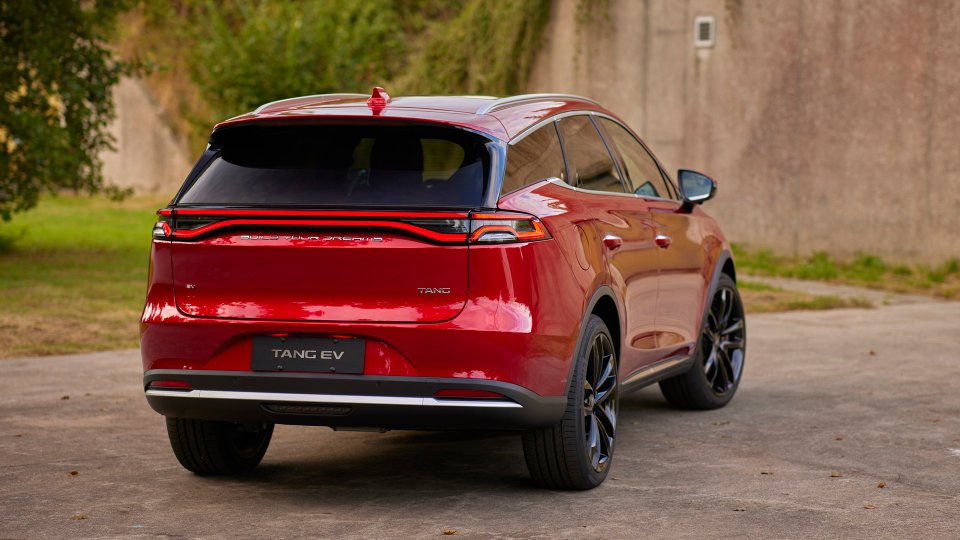
For owners of the affected Qin and Tang vehicles in China, the most important thing is determining whether their vehicle falls within the specified production period. The recall applies to 183,211 vehicles, but it does not cover every Qin or Tang ever produced. The production dates and specific model variants determine whether a vehicle is included.
BYD says affected owners will be contacted and can have the component replaced through authorized dealers free of charge. Owners who already have the improved component do not need to have it replaced again. For now, the recall announced by SAMR concerns vehicles in China.
A Small Part, A Very Large Recall
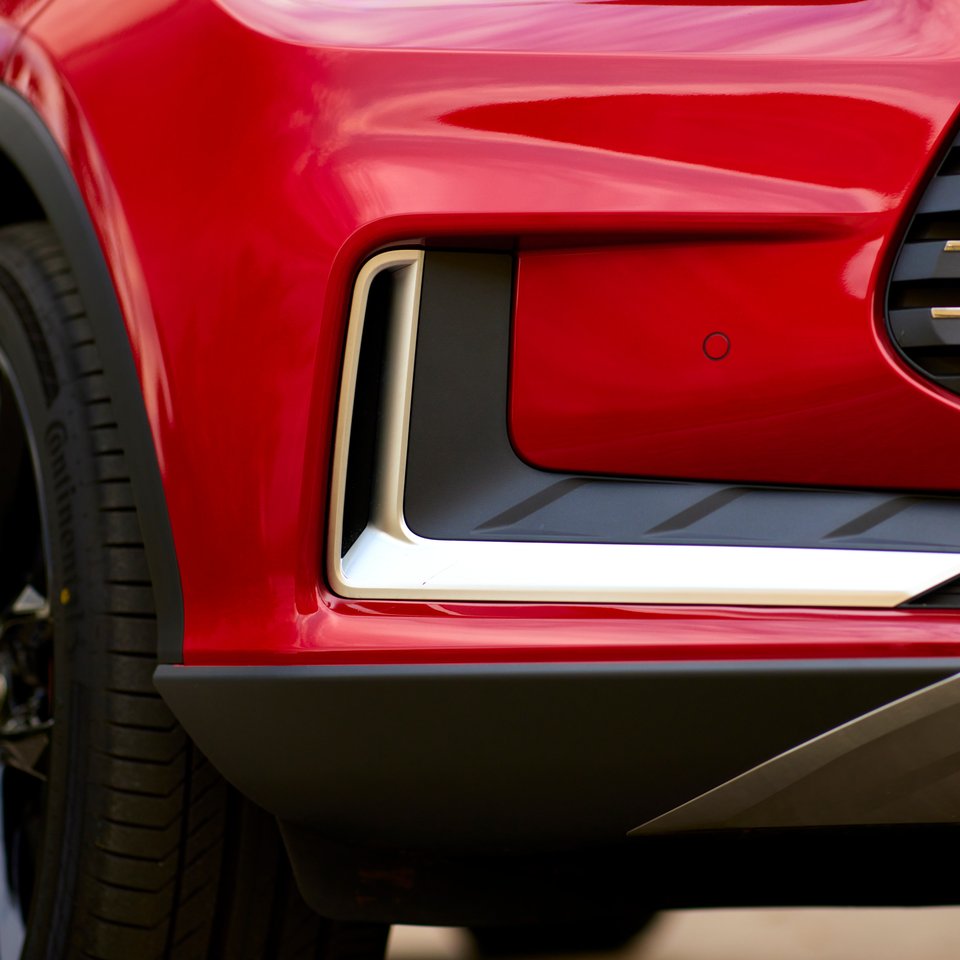
The BYD recall is a useful reminder of how complicated modern vehicle safety can be. A component that might look insignificant can still have serious consequences when it interacts with a vehicle's braking. In this case, the issue isn't loss of braking capability. Instead, it is the possibility that the brake lights could remain on even when the driver isn't braking, potentially sending the wrong message to traffic behind the vehicle.
And because the affected component was installed across multiple vehicles and production years, a relatively small component defect has resulted in a recall involving 183,211 vehicles. But the recall also demonstrates why vehicle recalls remain an important part of automotive safety. Even something as simple as a small stopper on a brake pedal has to work correctly every time the vehicle is driven.
Recommended Articles

Volkswagen Faces Bigger Cuts as Profit Outlook Takes a Hit

Volvo Gives Its XC60 And XC90 Plug-In Hybrids More Than Twice The Electric Range
Volkswagen ID.3 GTI Debuts With 326 HP And Rear-Wheel Drive

After 9 Years of Waiting, the Tesla Roadster Is Finally Coming Back

5 All-Rounder Pickup Trucks You Can Buy In America In 2026

Every Car That Came With a 7-Speed Manual
2027 Nissan Rogue Hybrid Has A Gas Engine That Never Drives The Wheels
Join the Conversation
Comments
Loading comments…
No comments yet. Be the first to start the conversation.