

List
10 Most Luxurious Sedans You Can Buy In America Right Now
Although luxury sedans may have dipped in numbers, their value proposition remains unchanged and has only gotten sweeter with the passage of time


In a world that is only craving SUVs, sedans – and luxury sedans in particular – have become a strange corner of the new-car market. The demand for SUVs has resulted in them dominating the sales charts, electric vehicles changing what buyers expect from a flagship, and even traditional luxury brands increasingly put their biggest interiors on four wheels and a tall body.
That said, sedans that are still on sale do make up a remarkably wide spread. Some are built around chauffeur-driven rear seats and hand-finished materials. Others use enormous screens, electric powertrains or outright performance to redefine what a luxury vehicle is expected to do.
While this list is filled with luxurious sedans, it is not developed around any one definition of opulence. The common thread is that each of these sedans occupies a meaningful place near the top of the American market, whether through craftsmanship, technology, personalization, comfort, performance or some combination of the five.
Rolls-Royce Phantom
The Phantom is still the sedan against which the rest of this market has to be understood, largely because Rolls-Royce treats the car as something closer to a commissioned object than a conventional production vehicle.
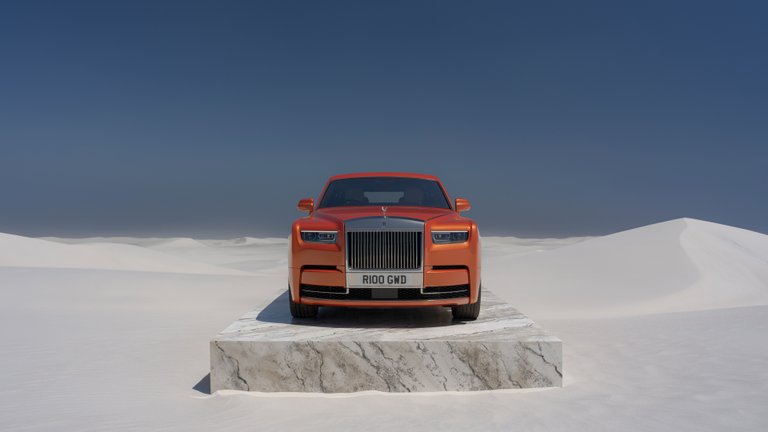
The rear compartment is the obvious starting point. Buyers can specify individual rear seats, a fixed center console, privacy equipment, bespoke entertainment features and an extraordinary range of materials. The cabin can also be configured through Rolls-Royce's Bespoke program, where the limits are far removed from the normal paint, leather and trim combinations offered by mainstream luxury manufacturers.
There is plenty of conventional engineering underneath all that. The Phantom uses a 6.75-liter twin-turbocharged V12 producing 563 horsepower, and its enormous proportions give it the kind of rear-seat space expected from a chauffeur-oriented flagship.
The price reflects the starting point rather than the finished car. A 2026 Phantom starts in the neighborhood of $525,000 in the U.S., while an Extended Wheelbase version pushes higher before Bespoke commissions are considered. The base MSRP is almost beside the point once the personalization process begins.
Bentley Flying Spur
Bentley takes a different route to ultra-luxury. The Flying Spur is lavish enough to compete with the most expensive sedans here, but it doesn't abandon the idea that the owner might actually want to drive it.
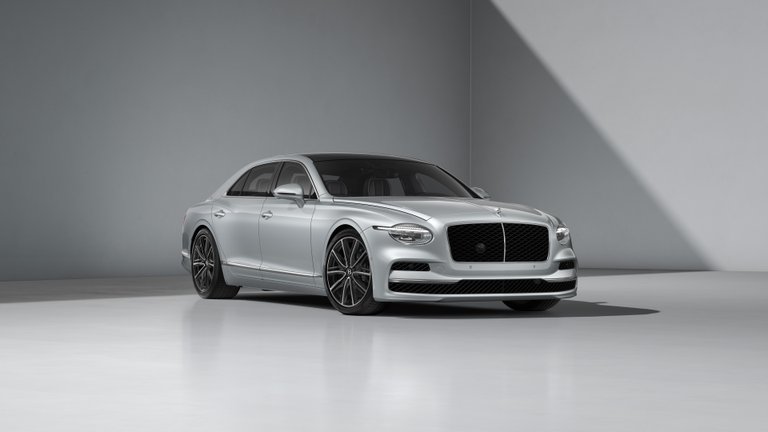
The current Flying Spur uses a 4.0-liter twin-turbo V8 plug-in hybrid system. In Speed specification, the combined output reaches 771 horsepower, with all-wheel drive and enough performance to make the car's size surprisingly easy to forget. The less aggressive versions still offer substantial power while putting more emphasis on long-distance comfort.
Inside, Bentley's advantage is the sheer amount of customization available. Mulliner opens up a huge selection of exterior colors, hides, veneers and other finishes, and the rear cabin can be equipped around passengers rather than simply treated as an enlarged back seat. That dual personality is important. A Flying Spur can be ordered as an executive car with serious rear-seat equipment, but its powertrain and chassis leave enough room for the driver to remain part of the experience.
Mercedes-Maybach S-Class
The Mercedes-Maybach S-Class is where the conventional luxury sedan formula gets pushed toward chauffeur duty without giving up the technology associated with a modern S-Class. The Maybach S 580 uses a twin-turbocharged 4.0-liter V8 with mild-hybrid assistance and 496 horsepower. The S 680 goes further with a 621-hp V12. Both are long, heavy sedans designed around an exceptionally isolated cabin, while the rear compartment can be configured with reclining seats, massage functions, ventilation, heating and other executive-car equipment.
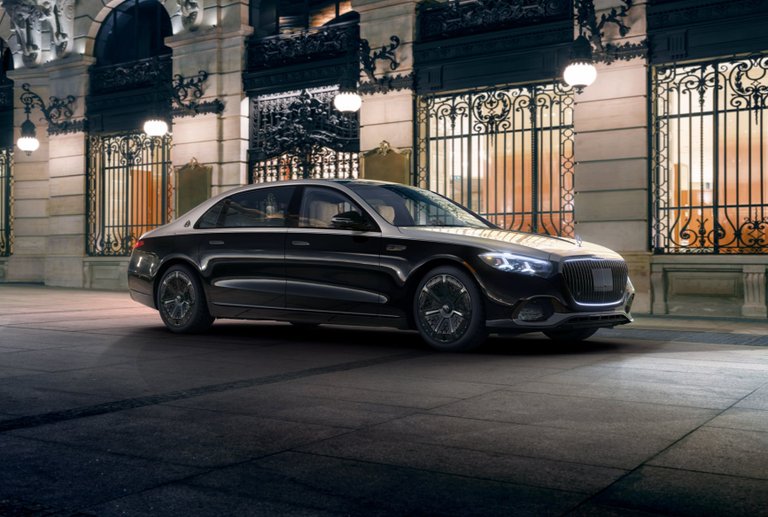
The level of personalization is significant, too. Mercedes offers MANUFAKTUR colors, upholstery and interior treatments, along with packages that can add rear folding tables, additional charging equipment and other details aimed squarely at passengers spending long periods in the back. The car also retains the enormous Mercedes technology ecosystem underneath it, including sophisticated displays, driver assistance and the familiar S-Class interface.
Cadillac CELESTIQ
The CELESTIQ is an oddity even in this company because you don't simply walk into a Cadillac dealer and pick one from a normal trim walk. Cadillac builds the CELESTIQ as a custom-commissioned, by-inquiry vehicle. Each example is developed with a design concierge, allowing the buyer to choose materials and finishes for an individual specification. That puts the car closer to the bespoke end of the luxury market than the production-line image associated with Cadillac's other sedans.
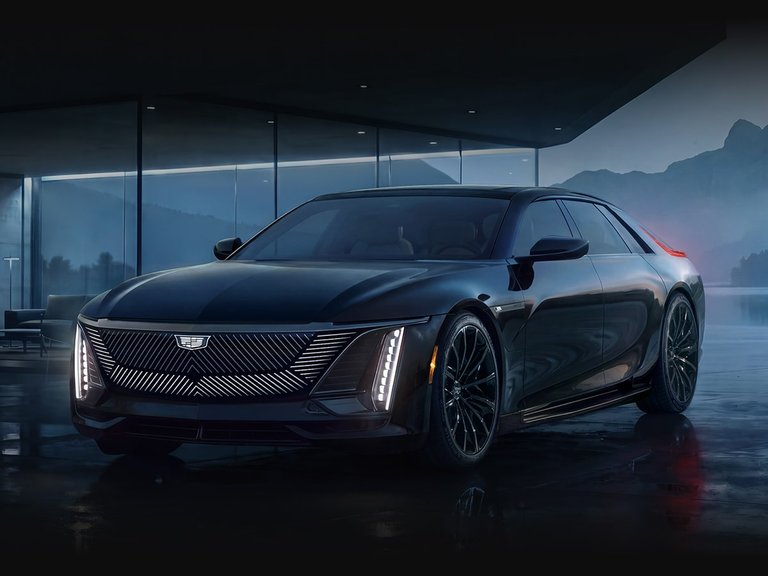
It is also one of the most technologically ambitious cars here. The four-seat cabin uses a 55-inch display spanning the dashboard, separate rear-seat entertainment screens and a smart-glass roof that can be adjusted for individual occupants.
Then there is the powertrain. The dual-motor all-wheel-drive system produces a Cadillac-estimated 655 horsepower and 646 lb-ft of torque. Cadillac quotes a 303-mile EPA-estimated range, making the CELESTIQ one of the few cars in this group where electric propulsion is central to the luxury proposition rather than simply another powertrain choice.
BMW 7 Series
The BMW 7 Series is less interested in appearing handcrafted than the ultra-luxury cars above it. Its pitch is technology, space and an unusually elaborate rear cabin wrapped around the engineering of a modern flagship BMW.
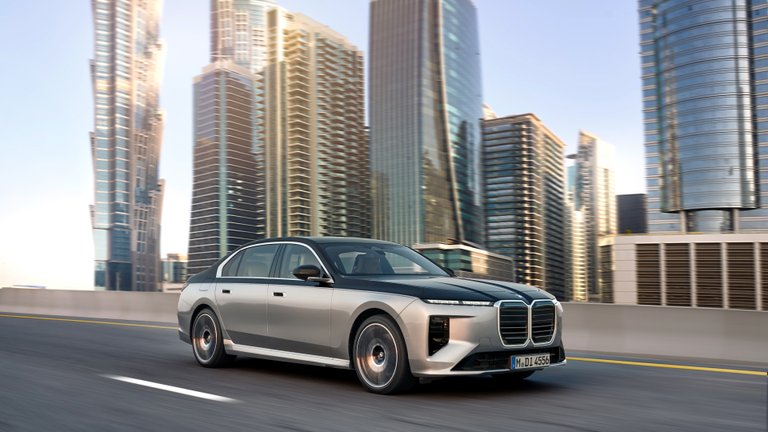
The 740 starts at $99,800 in the U.S., while the range stretches considerably higher with six-cylinder, V8 and electric versions. The rear compartment can be fitted with BMW's Executive Lounge equipment, including reclining seats and footrests, while the optional Theater Screen brings a large display into the back of the cabin.
It is also one of the few cars in this group where the technology can become the centerpiece of the interior rather than disappearing into the background. The dashboard and rear compartment are dominated by screens and controls, giving the 7 Series a distinctly modern interpretation of what a flagship should feel like.
For buyers who still want a large conventional luxury sedan but don't want the visual restraint of something like the Lexus LS, the 7 Series occupies a useful middle ground.
Genesis G90
The G90 is the car on this list that most directly challenges the established luxury hierarchy on price. The 2026 model starts at $92,700, yet even that version comes with Nappa leather, heated rear seats, front-seat massage functions, soft-close doors, a head-up display, a panoramic roof and electronically controlled suspension. The more expensive 3.5T E-Supercharger version adds 409 horsepower and powered rear seats with massage.
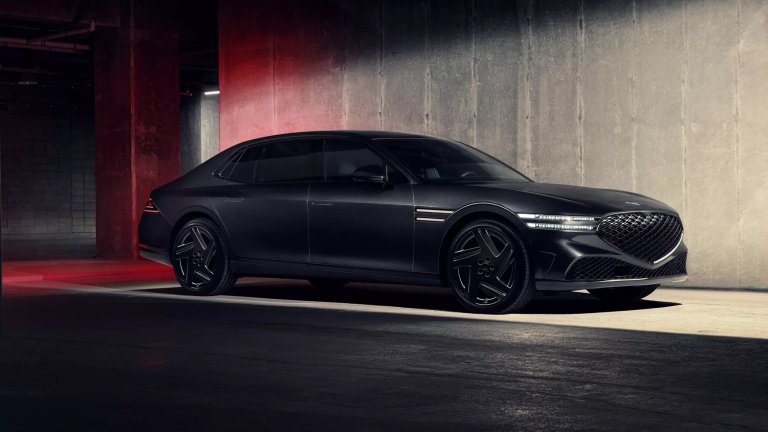
Genesis also gives the G90 a surprisingly serious rear-seat specification. Rear climate controls, sunshades, premium audio and additional comfort functions are available without requiring the sort of six-figure escalation that accompanies many European flagships.
That doesn't make the G90 a disguised Maybach. It remains a much less bespoke product, and the brand lacks the decades of ultra-luxury history carried by Bentley or Rolls-Royce. But the cabin has the quiet ride, spacious rear compartment and comfort equipment expected of a flagship sedan, at a considerably lower price.
Porsche Panamera
The Panamera is here for a reason that has little to do with traditional chauffeur-car luxury.
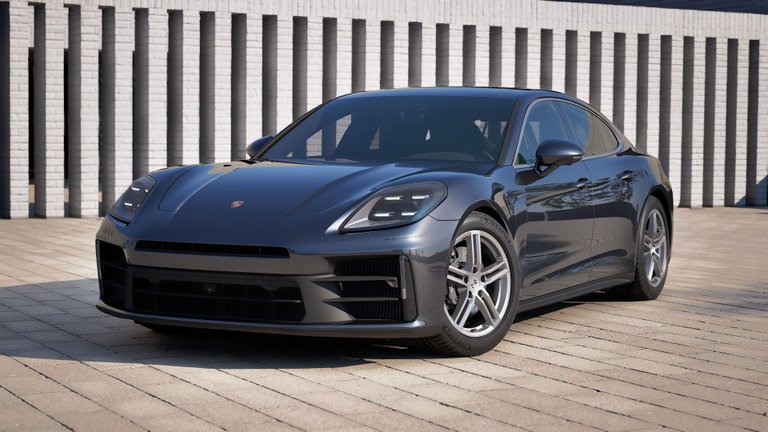
Porsche built the Panamera around the idea that a large luxury sedan could remain genuinely interesting from behind the steering wheel. The current car combines a four-seat layout with a wide range of powertrains, including plug-in hybrids that can produce well over 500 horsepower and higher-performance versions that push considerably beyond that.
The cabin is not as theatrical as a CELESTIQ or as ornate as a Bentley. Instead, Porsche puts considerable emphasis on materials, seating comfort, driving position and the ability to configure the car around the person actually operating it.
The options list can also transform the character of the car. Buyers can add upgraded leather, ventilated and heated seats, four-zone climate control, premium audio, rear-seat equipment and numerous appearance treatments. It remains a sports sedan first and foremost, but the Panamera offers massaging seats, a well-finished cabin and a rear seat that can comfortably accommodate adults.
Lucid Air
The Lucid Air makes the case for electric luxury without relying on the enormous exterior dimensions of some of the traditional flagships. Its cabin is unusually spacious for the car's relatively low body, while the lack of a conventional combustion powertrain changes the character of the driving experience. There is little mechanical noise to intrude on the cabin, and the floor and packaging provide considerable usable space.
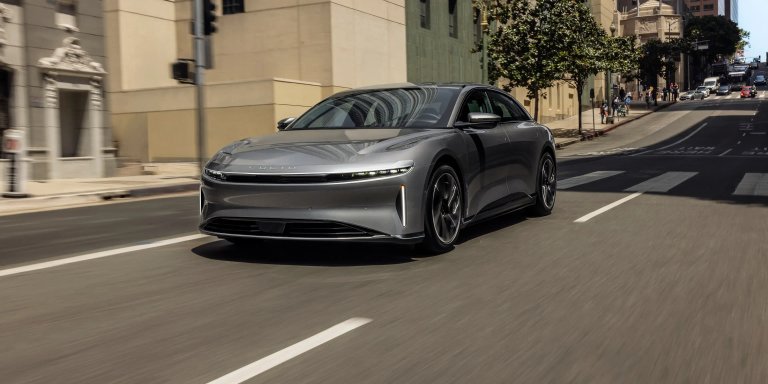
The numbers are what separate the Air from many other electric luxury sedans. The 2026 Grand Touring produces 819 horsepower and can cover up to 512 miles on a charge when fitted with 19-inch wheels. Lucid also gives that version 20-way power front seats with heating, ventilation and massage.
The Air therefore doesn't need to compete with the Phantom on craftsmanship or with the Maybach on rear-seat theater. Its proposition is considerably simpler: a quiet, spacious electric sedan with enough range and performance that neither has to be sacrificed.
Lexus LS
The Lexus LS is an unusual inclusion because its significance in 2026 comes partly from what is about to disappear. Lexus has confirmed that the 2026 LS is the final model year for the nameplate in the U.S. The company is marking that ending with the LS 500 AWD Heritage Edition, limited to 250 examples, with a $99,380 starting price including delivery, processing and handling.
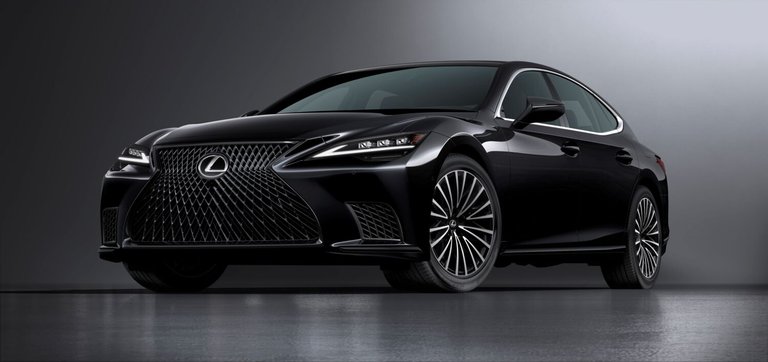
That makes the LS less about chasing the latest screen technology or outright performance and more about the qualities that defined the model over several generations: a quiet cabin, restrained design, excellent build quality and a deliberately conservative approach to luxury.
The result is increasingly old-fashioned compared with newer competitors. The LS no longer has the newest cabin technology or the strongest performance credentials in this group, and newer rivals have moved considerably further ahead in those areas.
Audi A8
The Audi A8 is the least flamboyant car in this group, which is precisely why it remains relevant.
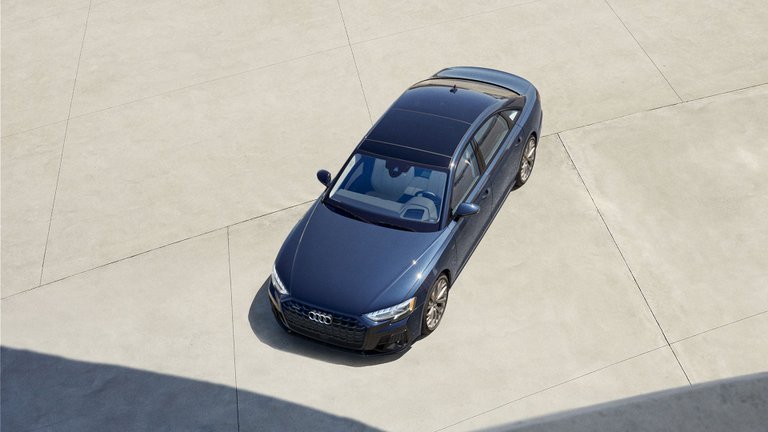
Audi's flagship sedan takes a much more restrained approach to luxury than the cars at the top of this list. Its design is clean rather than imposing, the cabin avoids the visual excess of some newer competitors, and the standard quattro all-wheel-drive system gives it a straightforward technical foundation.
The current U.S. A8 uses a 3.0-liter turbocharged V6 producing 335 horsepower, with a 10.1-inch central display and available executive-oriented equipment. Audi lists the A8 for the 2027 model year with a starting MSRP of $95,100, confirming that the sedan remains part of its U.S. range even as the market around it changes.
Its understated character is also its biggest distinction. There is no attempt to turn the A8 into a rolling lounge on the scale of a Maybach, nor does it chase the theater of a CELESTIQ. It is a large, quiet luxury sedan that still makes a strong case for doing less.
Recommended Articles

9 Factory 1,000-HP Cars That Aren’t Hypercars
10 New Cars That Don’t Fit The Usual American Automotive Mold
8 Used Performance Bargains That Can Outrun a 2027 Corvette Stingray

After 9 Years of Waiting, the Tesla Roadster Is Finally Coming Back

8 New V12-Powered Cars You Can Buy in 2026
The Mercedes CLE 646 Spezialanfertigung Is A V8 Track Special We Never Saw Coming

Volkswagen ID.3 GTI Debuts With 326 HP And Rear-Wheel Drive

Volvo Gives Its XC60 And XC90 Plug-In Hybrids More Than Twice The Electric Range

Join the Conversation
Comments
Loading comments…
No comments yet. Be the first to start the conversation.