
Leno's Law Is Official: Here's What It Means For California's Classic Car Community
Leno's Law phases in California smog-check exemptions for qualifying 1976–1985 collector cars. Here’s the timeline, requirements, and impact.


California is very strict about vehicle emissions, and new cars are expected to comply with those laws. But subjecting classic cars to rules that didn't exist when they were originally built is absurd. In California, a 1975 classic could enjoy an exemption from the state's smog-check requirements, while a nearly identical car built just a year later could still be required to pass the same tests.
That may not be an issue for you, but it is a big deal for those who own multiple classic cars. Suddenly you have identical cars, but one is legal to drive, and the other is not because it's a year older. Now, after years of pushing for a change, Jay Leno has helped bring a new set of rules for California's classic-car community that suddenly meant another generation of classics is now exempt from the strict emissions laws.
Image credits: Bring a Trailer and Jay Leno.
California Had A Strange Problem With Classic Cars
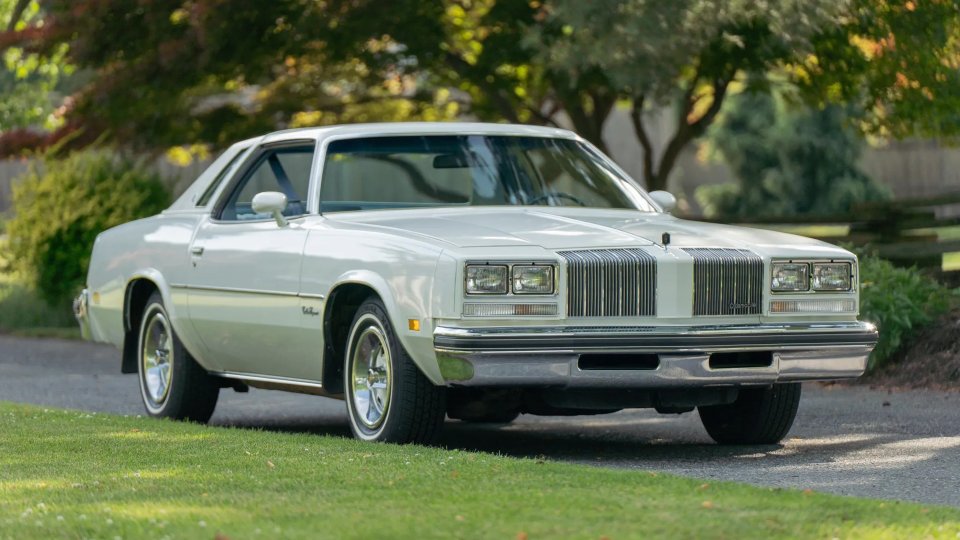
California has never been an easy place to own an old car. That is somewhat ironic considering its deep automotive culture. From muscle cars and hot rods to lowriders, Japanese imports and European sports cars, California has helped shape American car culture for generations. Yet its emissions regulations have also created some unusual headaches for owners of older vehicles.
Under the existing rules, vehicles manufactured before 1976 were already exempt from regular smog checks. That was great but created a very clear dividing line. A 1975 car could be treated as a classic, while a 1976 model could still face emissions testing despite being nearly the same age. That made sense when they were simply used vehicles, but not today.
A late-1970s Pontiac Trans Am is no longer just an old Pontiac. An early Fox-body Mustang isn't an old Ford. A C3 Corvette from the early 1980s, an air-cooled Porsche, an older BMW, or a well-preserved Japanese performance car are now classics. But under California's previous rules, these cars still had to pass tests that didn't apply to cars only a year or two older.
Why The 1976 Cutoff Became A Problem
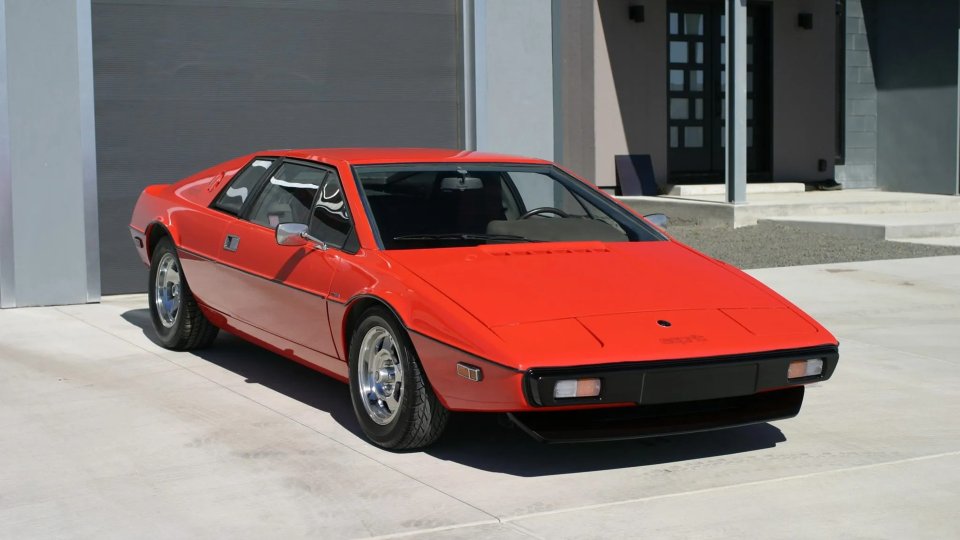
The timing is important because the late 1970s and early 1980s were a tough period for the automobile industry. Manufacturers were dealing with increasingly strict emissions regulations, changing fuel requirements, and the effects of the oil crisis. Performance cars were evolving, and electronic fuel injection was becoming more common. Some of the models from this era were completely different from the muscle cars of the 1960s, but they are still important pieces of automotive history. That is part of what makes the old cutoff increasingly awkward.
A car built in 1976 is now 50 years old, and some have achieved collector status. The same is true of a 1978 Corvette, a 1980 Trans Am, or an early-1980s Mercedes-Benz or air-cooled Porsche. For owners who hardly drive these cars, applying these emissions rules just didn’t make sense. Jay Leno has been one of the voices trying to help change this rule, and fortunately he has the means and connections to do so.
Jay Leno's Law Is Finally Official
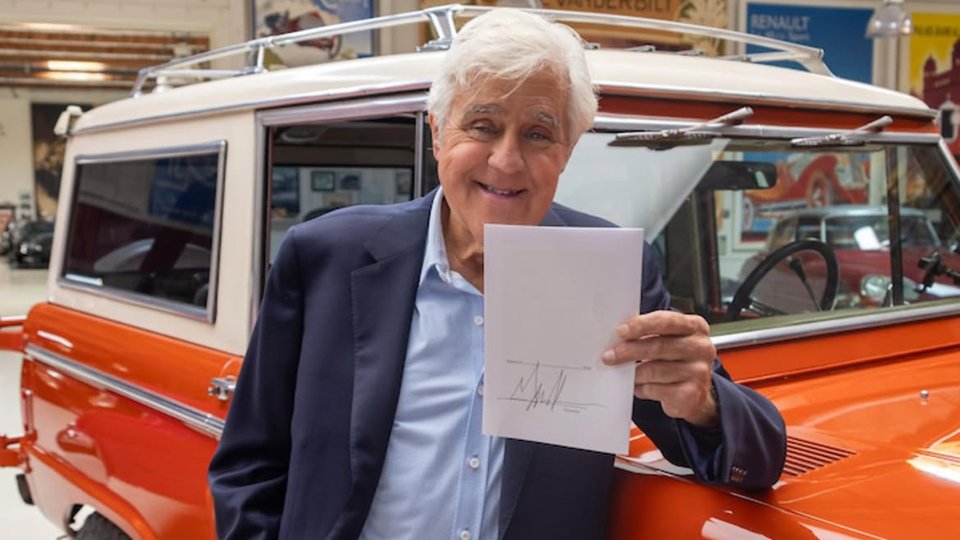
Jay Leno has been publicly involved in efforts to change California's classic-car emissions rules for years. An earlier version of the legislation had failed in 2025. The revised Senate Bill 1392 was signed by Governor Gavin Newsom on September 16, 2026, better known as Leno's Law. The reason the first bill failed was that it was trying to exempt every old car up to a certain age.
The new proposal was narrower. Instead of a broad exemption for every vehicle reaching a certain age, SB 1392 created a phased system specifically aimed at qualifying collector vehicles from the 1976 through 1985 model years. This version ultimately made it through the legislature and was signed by Newsom at Leno's garage in Burbank, and that location was fitting.
Leno's collection is essentially a rolling history of the automobile, filled with everything from early experimental machines to muscle cars, supercars, and unusual pieces of automotive engineering. Having the legislation signed inside his garage will become another important part of American automotive history.
Here's What Leno's Law Actually Changes
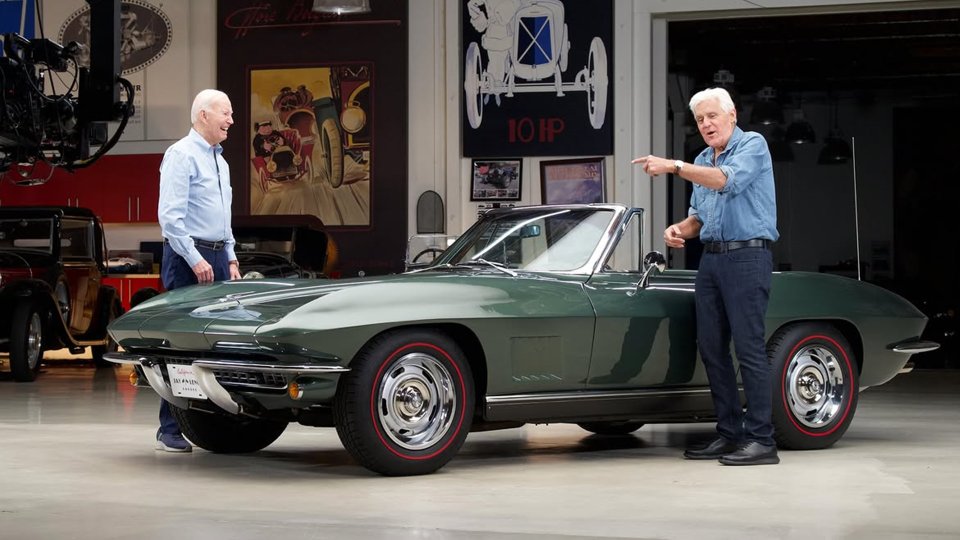
This is where things get particularly interesting for owners. As stated previously, Leno's Law creates a phased-in exemption covering qualifying collector vehicles manufactured from 1976 through 1985. However, the exemption doesn't begin immediately. The first group becomes eligible on January 1, 2028, covering qualifying vehicles manufactured before 1981.
From there, the exemption expands by one model year annually until vehicles from 1985 are included in 2033. Sounds confusing, but here’s what that looks like:
- 2028: 1976-1980
- 2029: 1981
- 2030: 1982
- 2031: 1983
- 2032: 1984
- 2033: 1985
So if someone owns a 1980s collector car, the exemption change arrives in 2028. Someone with a 1985 car has to wait until 2033. That gradual approach is one of the most important details of the law.
Which Cars Will Actually Qualify?

There is another important catch: just being old enough doesn’t qualify. The exemption is aimed at collector vehicles rather than every car within the relevant model years. The law requires qualifying vehicles to meet certain collector-use conditions, including collector-car insurance or a DMV process establishing that vehicles like that are driven less than 1,000 miles a year.
The law is built around the idea that these vehicles aren't being used as daily drivers. A 1979 Trans Am that comes out of the garage for Cars & Coffee, weekend drives, and occasional shows is very different from an old 1979 sedan being used as a cheap daily driver. For enthusiasts, this could remove one more piece of red tape from keeping a collectible vehicle on the road. But each car still has to meet the requirements of the new law.
What This Means For The Car Community
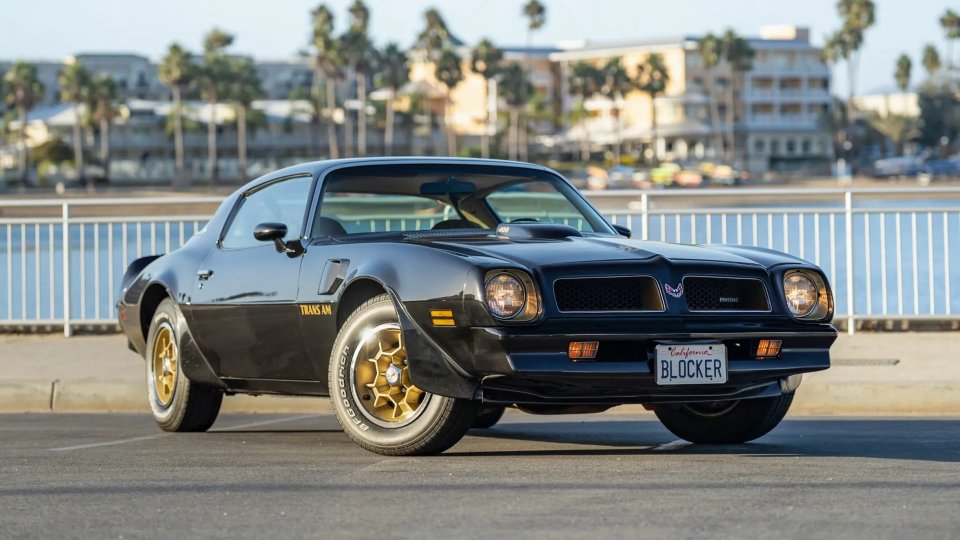
The obvious benefit is fewer smog checks for qualifying vehicles. But that is only part of the story. Classic cars create an entire ecosystem around themselves. There are restoration shops, engine builders, parts suppliers, upholstery specialists, paint shops, wheel manufacturers, detailers, fabricators, and countless small businesses that exist because people care enough about old cars to keep them alive. California has a particularly large automotive aftermarket and enthusiast community. Even before the new law was signed, classic cars had an economic and cultural importance in the industry.
Think about what happens when someone decides to restore an old car. The project might start with a vehicle that has been sitting under a cover for 20 years. The owner finds a mechanic. The mechanic needs parts. The body shop repairs the panels. Someone else paints the car. Another shop rebuilds the engine. An upholstery specialist brings the interior back to life.
Eventually, that car leaves the garage. Maybe it goes to a local show. Maybe it appears at a cruise night. Maybe someone takes it for a Sunday morning drive. That's how automotive history survives. California's government has also framed the legislation as part of preserving the state's very rich car culture.
And that cultural aspect is important because many classic cars aren’t just cars but historical pieces. They show how cars have evolved and some of the challenges faced along the way to get here. A third-generation Camaro, C4 Corvette, and Fox-body Mustang all have stories to tell. The same goes for the European and Japanese cars.
Leno's Law Could Change What California's Next Generation Of Classics Looks Like
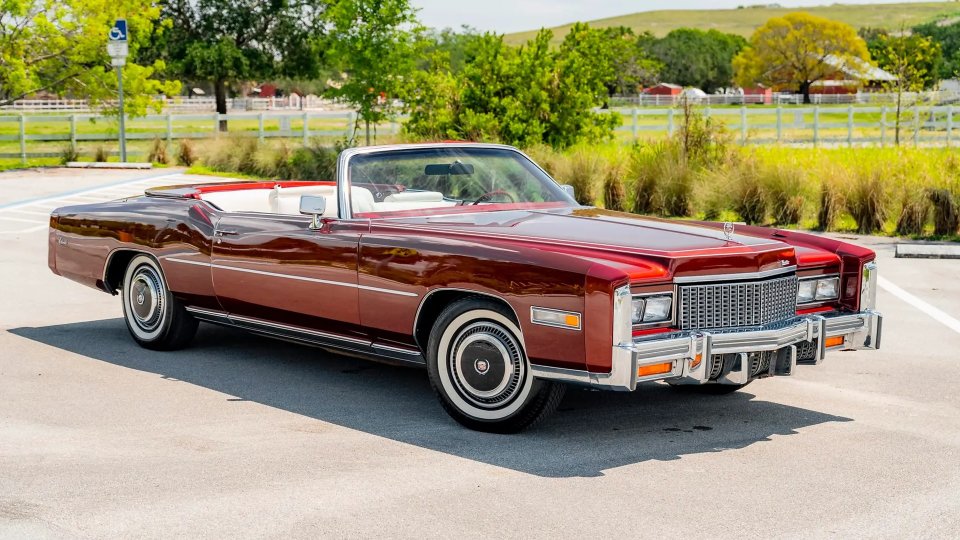
For decades, the word "classic" has often been associated with cars from the 1950s, '60s and early '70s. But that changes as the enthusiasts and cars get older. The cars covered by Leno's Law are entering an important stage. The 1970s and '80s produced some of the most recognizable cars of the modern era. These were the cars appearing on bedroom walls, in movies, on television and in video games. They were the cars a generation of enthusiasts dreamed about owning. Now that generation is old enough to actually buy them.
Recommended Articles

After 9 Years of Waiting, the Tesla Roadster Is Finally Coming Back

10 Most Luxurious Sedans You Can Buy In America Right Now

The Ford Bronco Filson Is A Luxury Bronco That Still Wants To Go Off-Road

BYD Recalls More Than 180,000 Vehicles Over Brake-Pedal Defect

Bentley Put The Solar System Inside Three Bespoke Continental GTs

Nissan Revives The Pixo As A Small Electric City Car

Hyundai And Kia Face $1 Billion Lawsuit Over The Kia Boys Theft Crisis

Join the Conversation
Comments
Loading comments…
No comments yet. Be the first to start the conversation.