
News
Audi Q9 Ground-Projected Turn Signals Explained
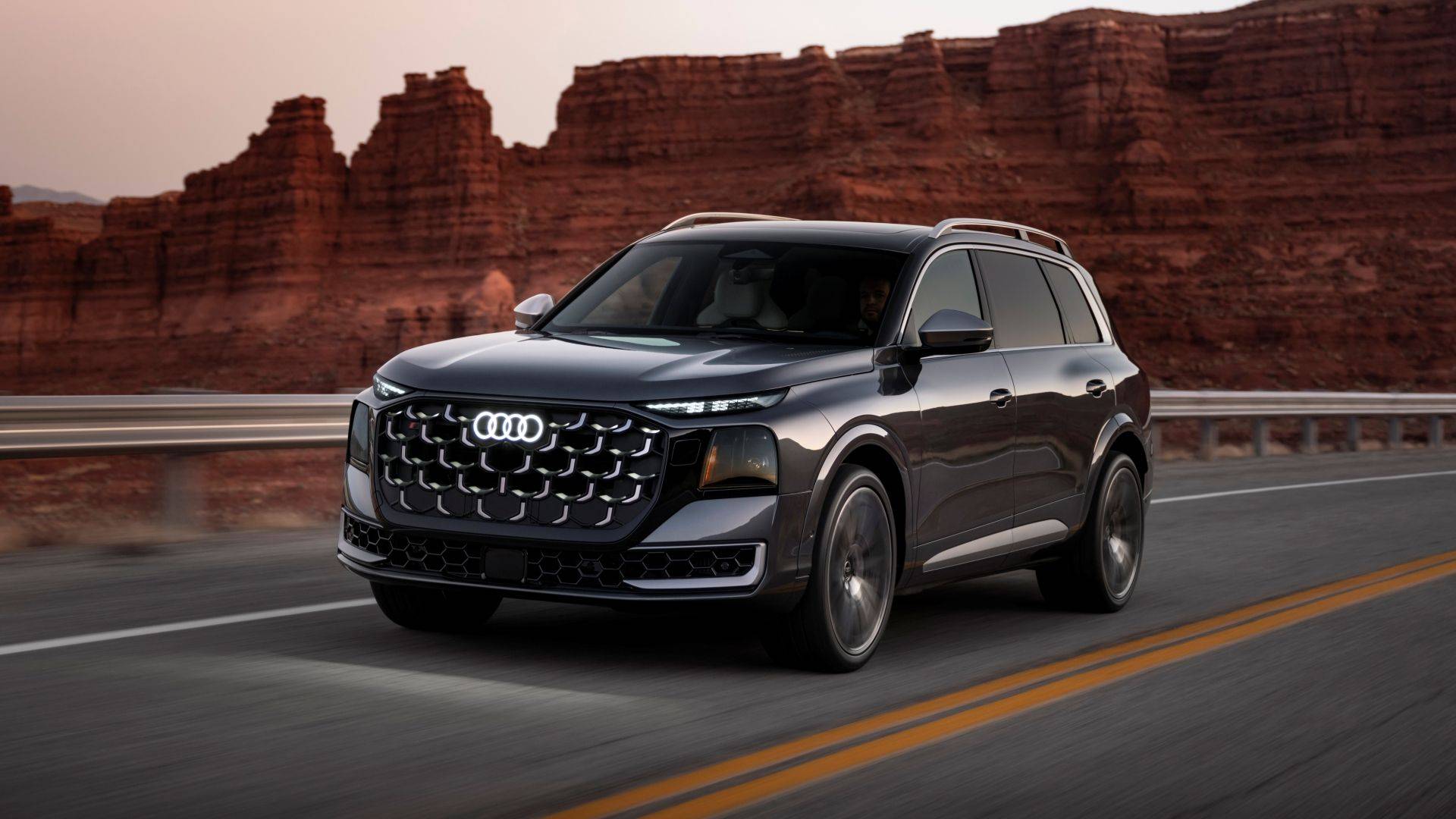
Audi’s upcoming Q9 is set to use Digital Matrix LED lighting to project animated turn-signal arrows onto the road, giving pedestrians, cyclists, and nearby drivers another visual cue before the SUV changes direction.
Audi’s 2027 Q9 flagship SUV will introduce ground-projected turn signals that cast animated directional arrows onto the pavement beside and ahead of the vehicle, according to a new report. The feature is designed to make the large SUV’s turning intent more visible in places where conventional amber indicators may be missed, especially at crosswalks, parking structures, and tight urban intersections.
The system uses Audi’s Digital Matrix LED technology, pairing high-resolution light modules in the headlights and taillights with the normal turn-signal function. When the driver signals, the standard indicator still flashes, but the lighting system also projects a moving arrow graphic onto the road surface near the relevant corner of the vehicle.
That extra projection is the key distinction. Rather than relying only on a lamp mounted on the body of the SUV, the Q9 places the signal on the ground, where pedestrians and cyclists may already be looking as they judge whether it is safe to move around the vehicle.
How The Projection System Works
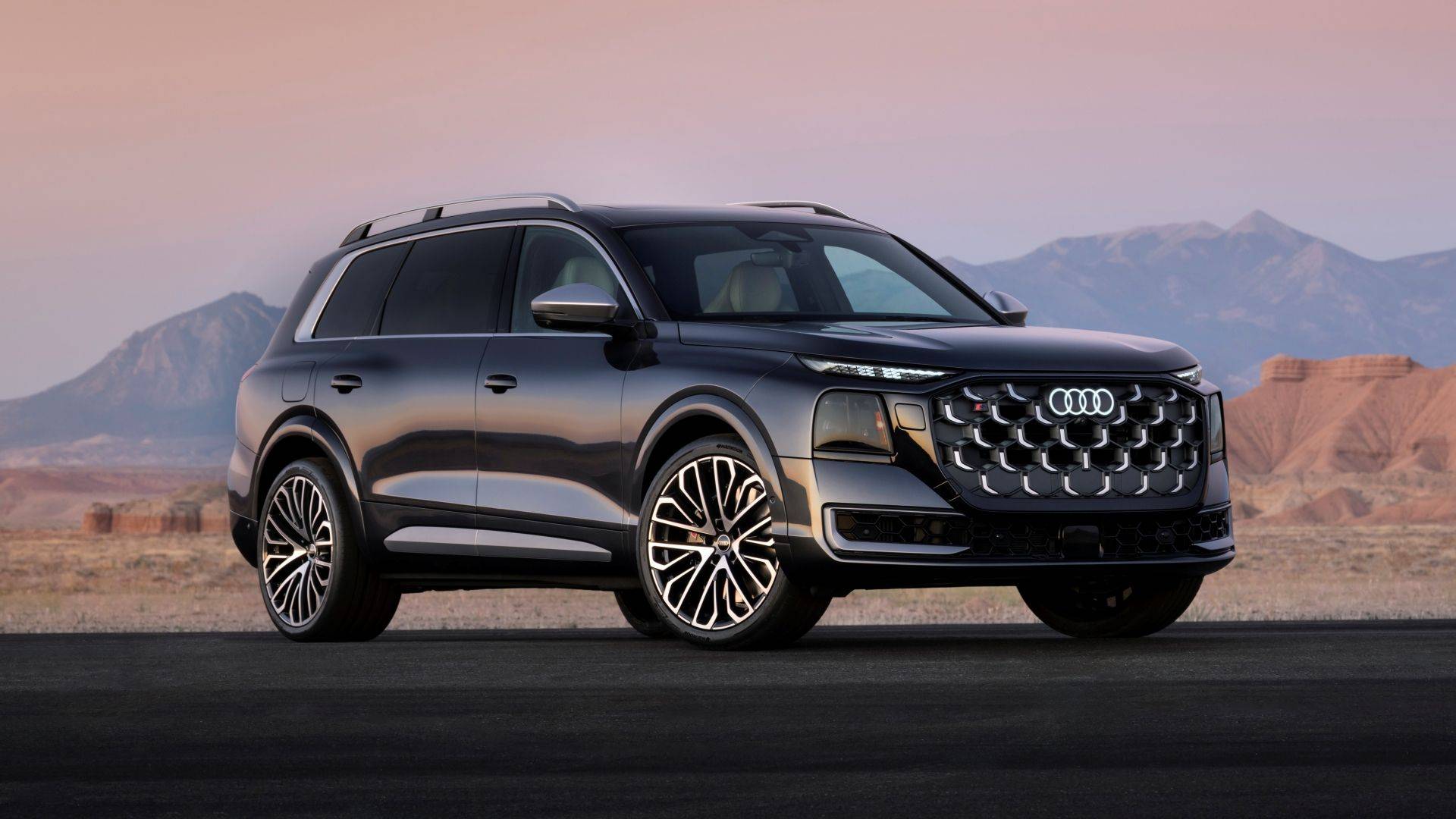
Each corner of the Q9 can handle its own projection independently. A front module can cast a directional signal toward an intersection or crosswalk, while a rear module can alert traffic or pedestrians behind the SUV. The report says the graphics are animated rather than static, which should help them read as intentional signals instead of stray reflections or decorative lighting.
Audi has also tied the feature to its broader Digital Matrix LED architecture. The same lighting platform is expected to appear on the updated Q7, suggesting the Q9 may serve as the launch point for a wider rollout rather than a one-off showpiece for a single model.
Why It Matters On A Full-Size Luxury SUV
The safety argument is strongest because of the Q9’s footprint. Audi is positioning the model above the Q8 as its largest production vehicle, aimed at the same premium three-row space occupied by the BMW X7 and Mercedes-Benz GLS. Large SUVs can be harder for pedestrians and cyclists to read at close range, particularly when the vehicle is turning slowly or maneuvering in crowded areas.
Ground projection does not replace attentive driving, but it could give vulnerable road users an earlier and clearer indication of where the vehicle is headed. That makes the feature more practical than a simple lighting flourish, even if it also supports Audi’s premium design image.
SQ9 Performance Model Uses The Same Tech
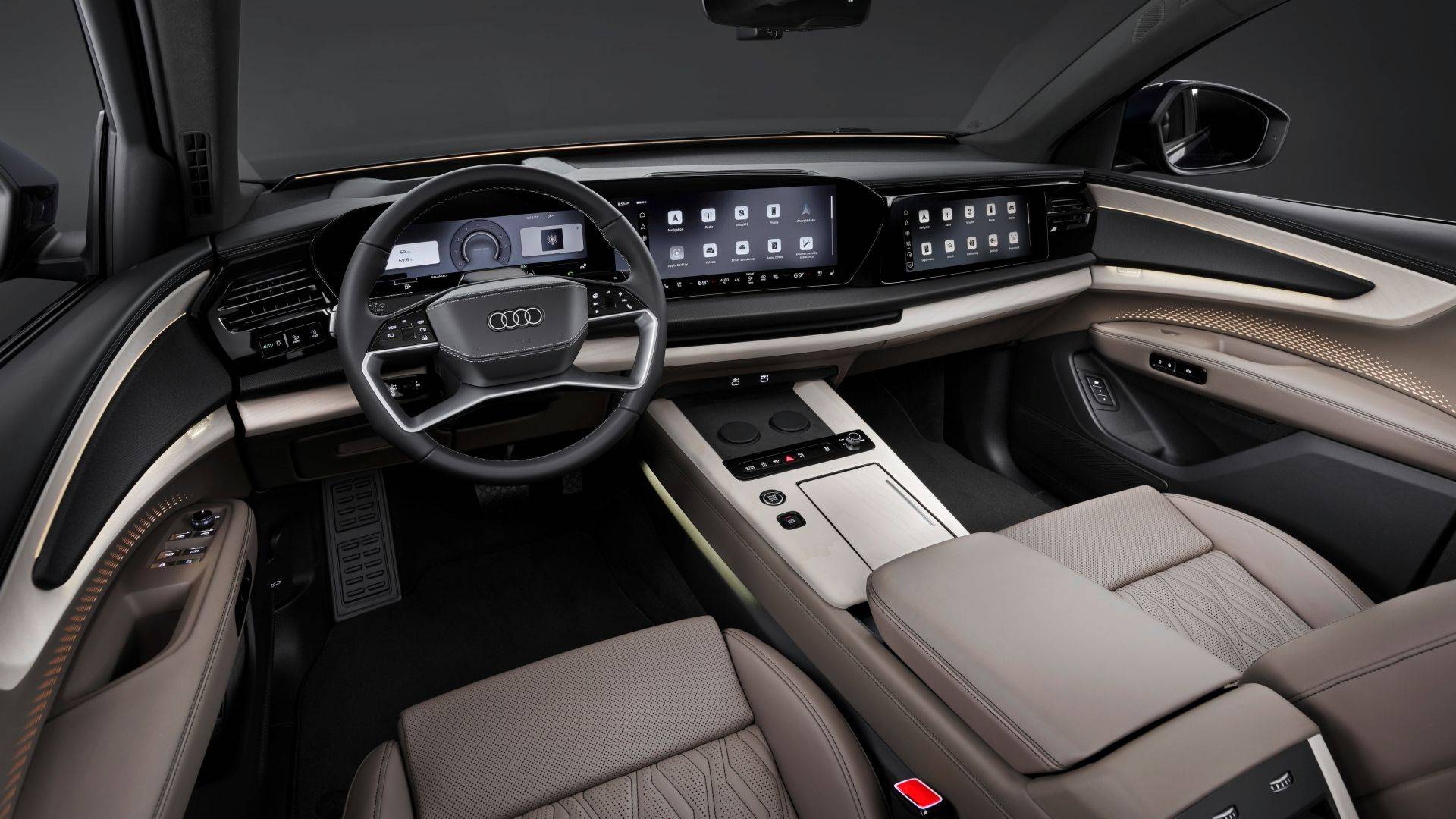
The performance-oriented SQ9 is expected to share the same Digital Matrix LED system. The report lists the SQ9 at 591 horsepower, but the projected-signal technology is not described as a performance-only feature. Across the lineup, the system appears positioned as standard safety-related equipment rather than a narrow trim-specific novelty.
If Audi follows through with the Q7 rollout, road-projected signaling could become one of the brand’s next recognizable safety and lighting signatures. It also gives rivals a clear benchmark as luxury SUVs continue adding exterior lighting features that do more than identify the vehicle after dark.