
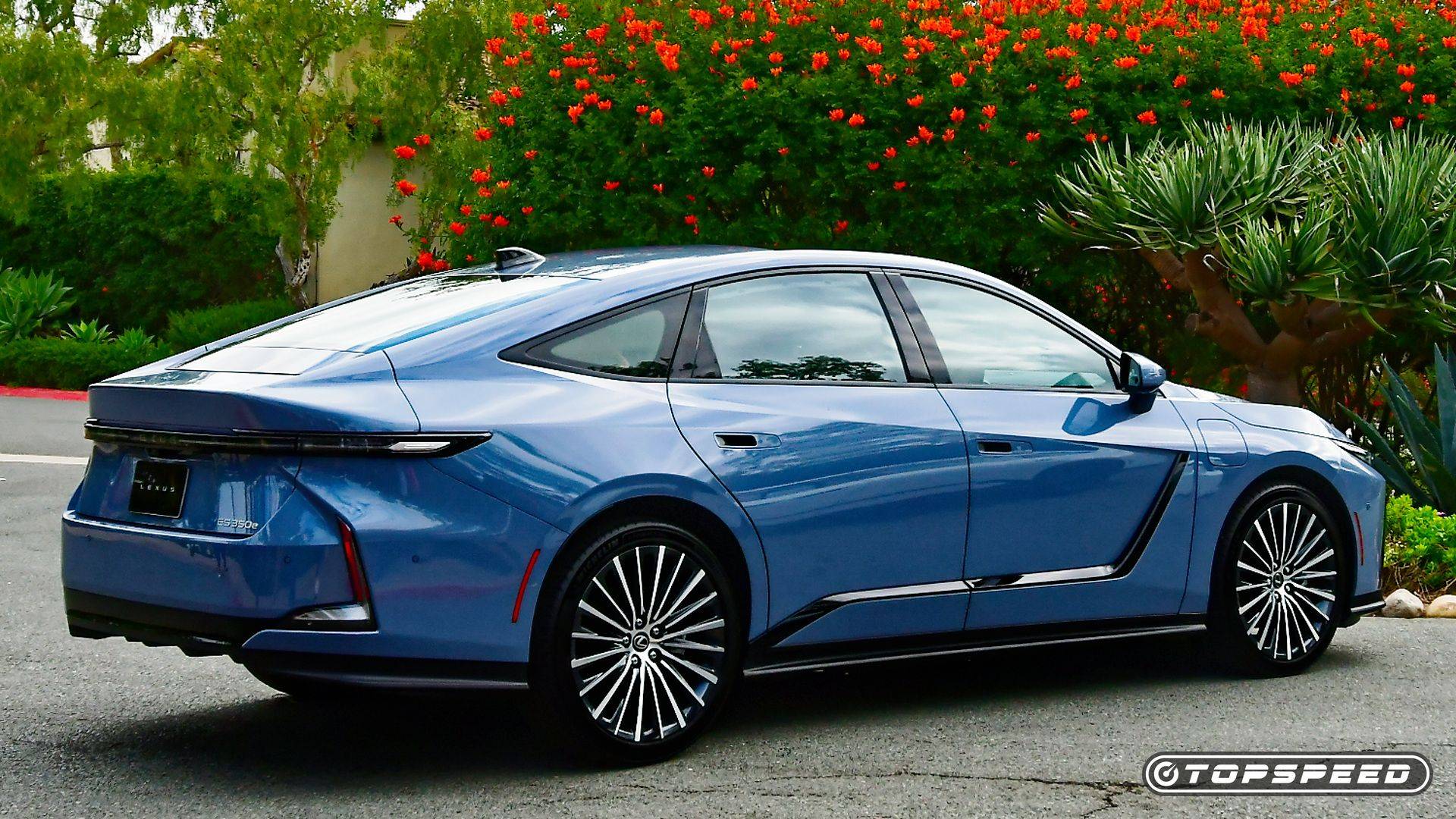
First Drive Review
2027 Lexus ES First Drive: A Quiet Luxury Sedan With Crossover Logic
The ES is not here to chase lap times. It is here to make a long drive feel shorter, make fuel stops less frequent, and remind crossover shoppers that a sedan can still be the smarter luxury choice.
The Drive: Calm, Confident, And Very Lexus
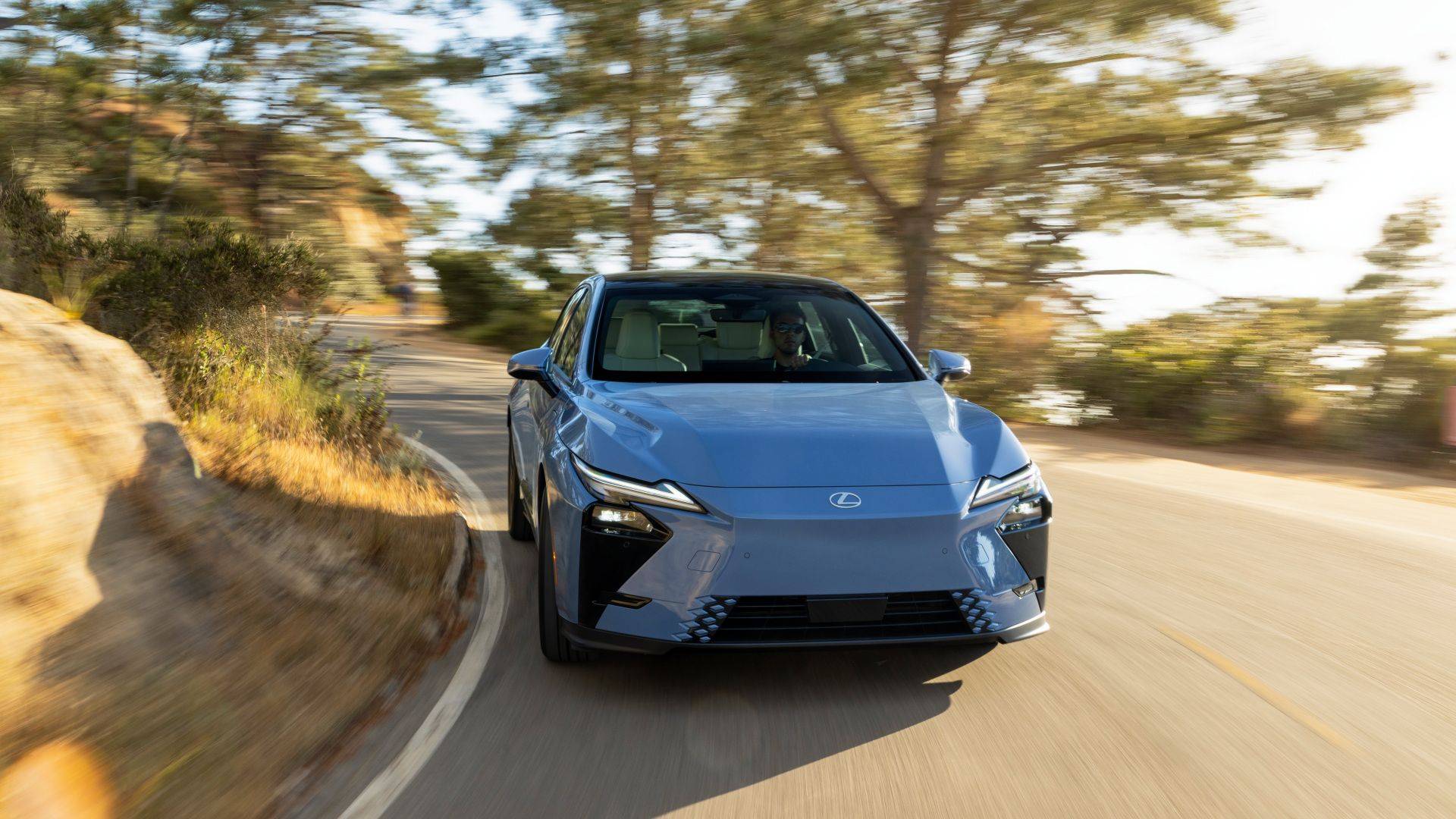
The first thing the Lexus ES communicates from behind the wheel is not speed. It is hush. Road noise falls away, the controls feel deliberate, and the car settles into a composed rhythm that makes traffic, highway merges, and imperfect pavement feel less stressful than they should. That is the point of this car. The ES is not trying to be a GR Corolla in formalwear; it is trying to be a mile-eating luxury sedan with enough crossover practicality to make buyers question whether they need an SUV at all.
That mission matters because sedans have lost ground in America, even inside Lexus showrooms. The RX crossover outsells the ES by a wide margin, yet the ES still has a loyal audience and remains a meaningful nameplate. Lexus has answered the market by making the new ES roomier, more efficient, and more electrified. Every version is now either hybrid or fully electric, which gives this sedan a clearer identity in a luxury market increasingly shaped by fuel costs and charging access.
Key Specs At A Glance
Performance: Adequate Hybrid Power, Surprising EV Pace
The ES 350h uses a 2.5-liter four-cylinder engine paired with an electric motor-generator. The gas engine rises to 186 horsepower, while electric-motor torque jumps to 199 pound-feet. Total system output is 244 horsepower, which sounds modest until you remember what this car is built to do. The electric shove makes the ES feel responsive around town, and Lexus estimates 0-60 MPH in 7.3 seconds for the front-drive hybrid and 7.1 seconds with all-wheel drive.
The AWD hybrid is more about security than speed. Its 54-hp rear motor can provide up to 80 percent of propulsion when traction demands it, while the front powertrain can also take over fully when needed. The result is a car that tracks cleanly, brakes with confidence, and feels composed without pretending to be a performance sedan.
The electric models are the unexpected twist. The ES 350e starts at $48,895 with an estimated 307-mile range, while the ES 500e AWD costs $51,895, offers 276 miles of range, and brings 338 horsepower. It is the quickest ES by far, cutting the 0-60 MPH run to 5.1 seconds. For buyers with home charging, the EV may also cut operating costs significantly compared with the hybrid’s already impressive fuel bill.
Design: More Practical Than Pretty
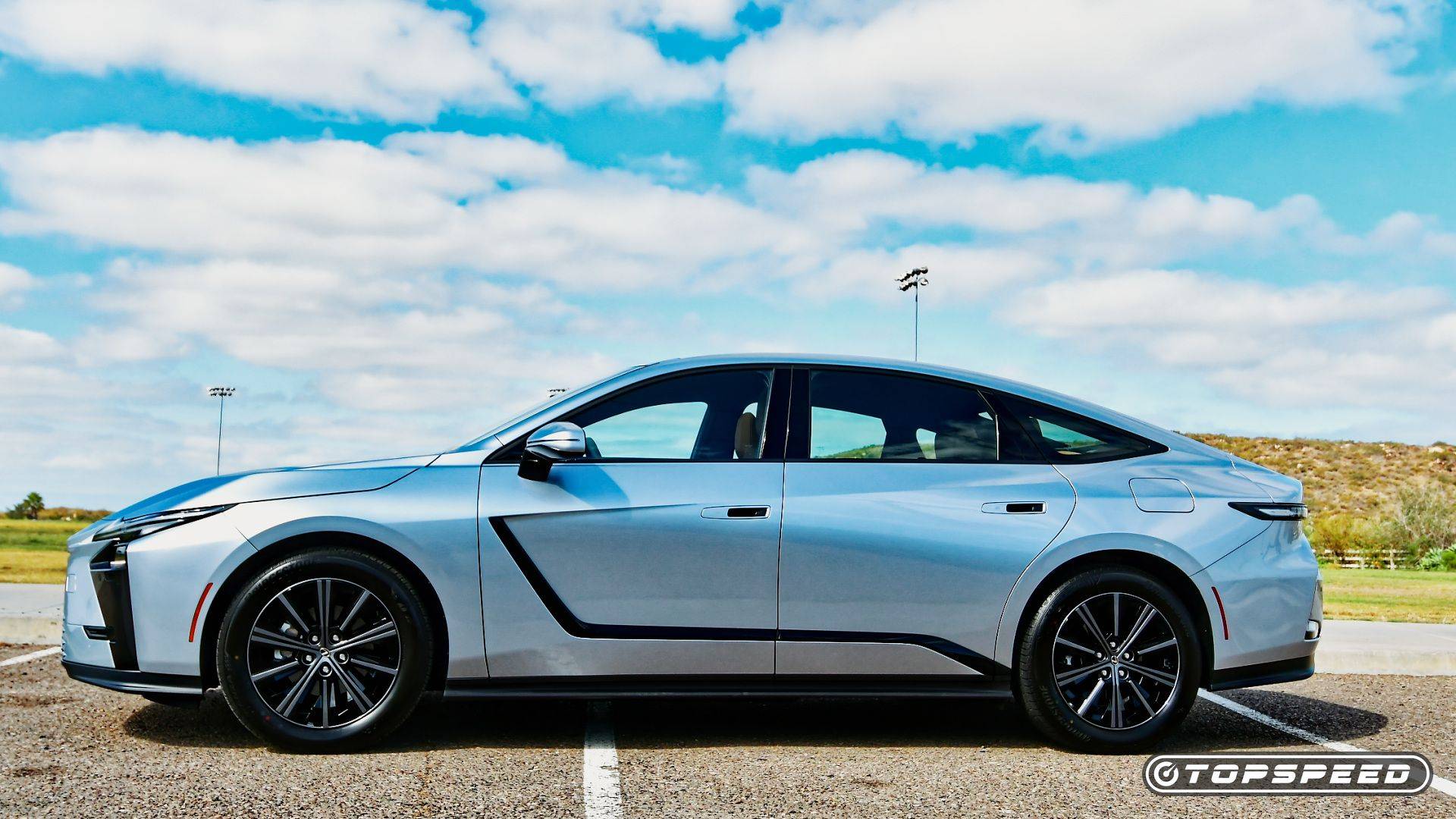
Lexus design remains polarizing, and the ES is unlikely to convert everyone. Its sharp surfaces, slim lighting, and high-bodied stance give it presence, but beauty is not its strongest argument. Function is. The new platform positions the cabin higher than a traditional low sedan, partly because the architecture has to support battery-electric packaging. That makes the ES easier to enter and exit, while keeping its center of gravity and driving feel closer to a car than a tall crossover.
The roofline is only about half a foot lower than the RX crossover’s, yet the ES avoids much of the top-heavy feel that can come with similarly roomy SUVs. In that sense, it behaves like a sedan designed for crossover shoppers: practical, approachable, and efficient, without asking buyers to accept a bulkier footprint.
Interior: The Rear Seat Is The Power Move
The cabin is where the ES makes its strongest case. Front passengers get space comparable to a BMW 5 Series, but rear passengers are treated even better. The ES offers about three inches more second-row legroom than the 5 Series, nearly two inches more than the discontinued Lexus LS, and roughly three inches more than the Lexus RX. The RX still has a slight rear-headroom advantage, but for legroom and long-distance comfort, the ES is a serious luxury tool.
Noise, vibration, and harshness were clearly priorities. The TNGA-K-based structure was revised to support hybrid and EV versions, and that rigidity helps reduce the sound transmitted through the body. Lexus also uses noise-canceling technology, but the more important work appears to be physical: a stronger structure, better isolation, and a cabin that feels serene without becoming numb.
Technology: Cleaner Controls And Natural Voice Help
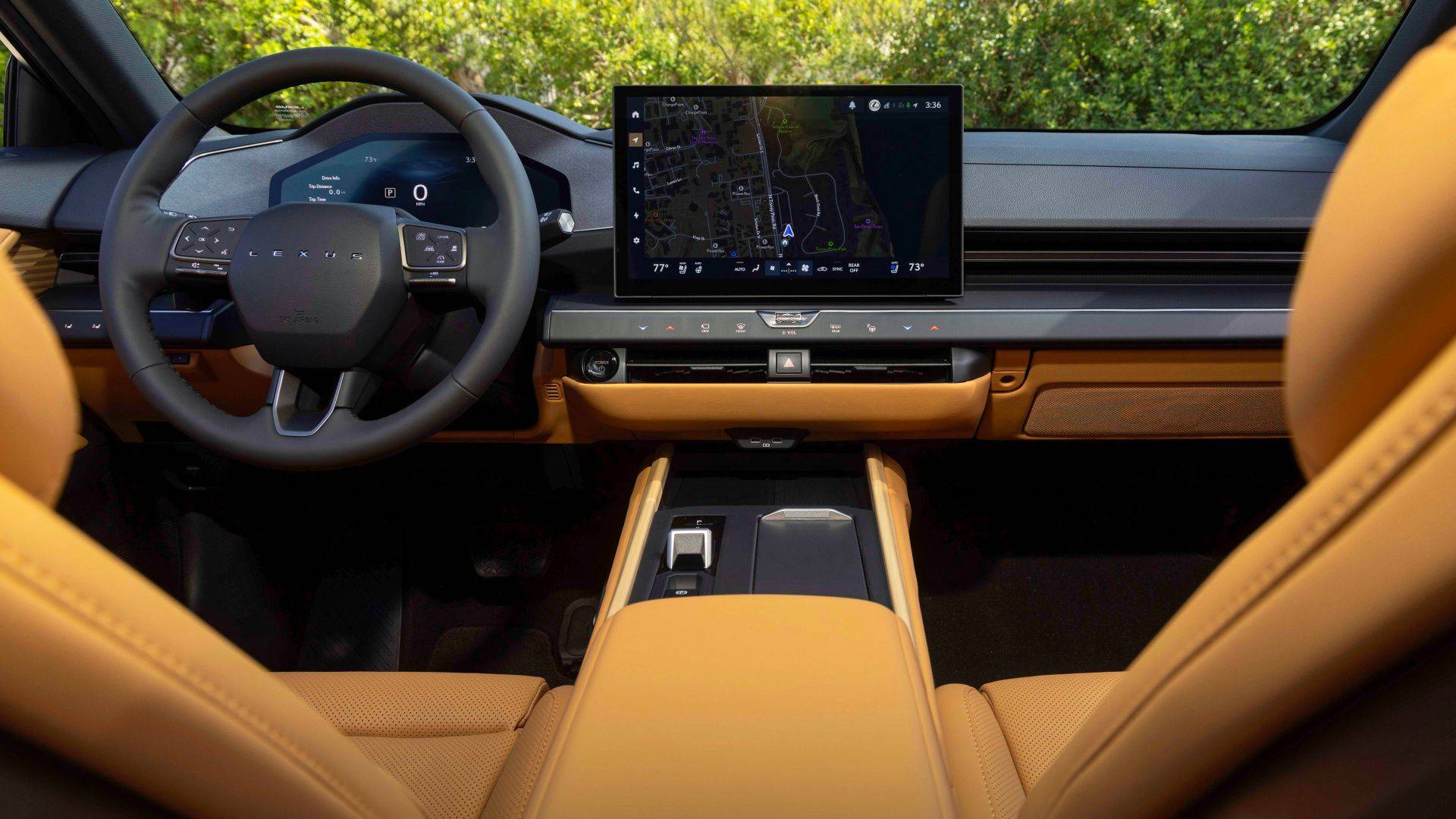
The latest Lexus infotainment system is easier to live with than the brand’s older interfaces. A 14-inch touchscreen anchors the dash, with climate shortcuts kept along the lower edge and quick-access icons on the left for navigation, audio, and vehicle functions. Driver-assistance menus can include short explainer videos, a small but useful touch for owners who want to understand what each system actually does.
The “Hey Lexus” assistant also supports more natural prompts. Tell it you are hot, hungry, or in need of coffee, and the system can respond with climate adjustments or nearby suggestions. SiriusXM 360L adds more personalized audio options, rounding out an interior that feels modern without burying every common function three menus deep.
Value: The ES Looks Strongest Against Crossovers And German Sedans
The value argument is hard to ignore. A base ES 350h costs $51,095 and returns 46 MPG combined. The AWD version is $52,495 and still manages 44 MPG combined. By comparison, a BMW 530i starts around $62,000 and is rated at 31 MPG combined. At $5 per gallon and 15,000 miles per year, that efficiency gap can become a meaningful annual savings advantage.
The EVs complicate the decision in a good way because they are priced below the hybrids while offering usable range and, in the ES 500e AWD, genuinely quick acceleration. The best choice depends on charging access: the ES 350h is the easy, no-lifestyle-change pick, while the ES 350e and ES 500e make sense for buyers who can plug in at home.
Verdict
The 2027 Lexus ES is not thrilling, and it may not be the prettiest sedan in the luxury aisle. But as a first-drive proposition, it feels deeply aligned with what Lexus does best: quietness, comfort, durability-minded engineering, and rational luxury. It has the space to challenge crossovers, the efficiency to embarrass some rivals, and enough electrified variety to fit very different buyers. If your idea of luxury is arriving calm, comfortable, and without wasting money at every fill-up, the ES remains one of the smartest sedans in the class.