
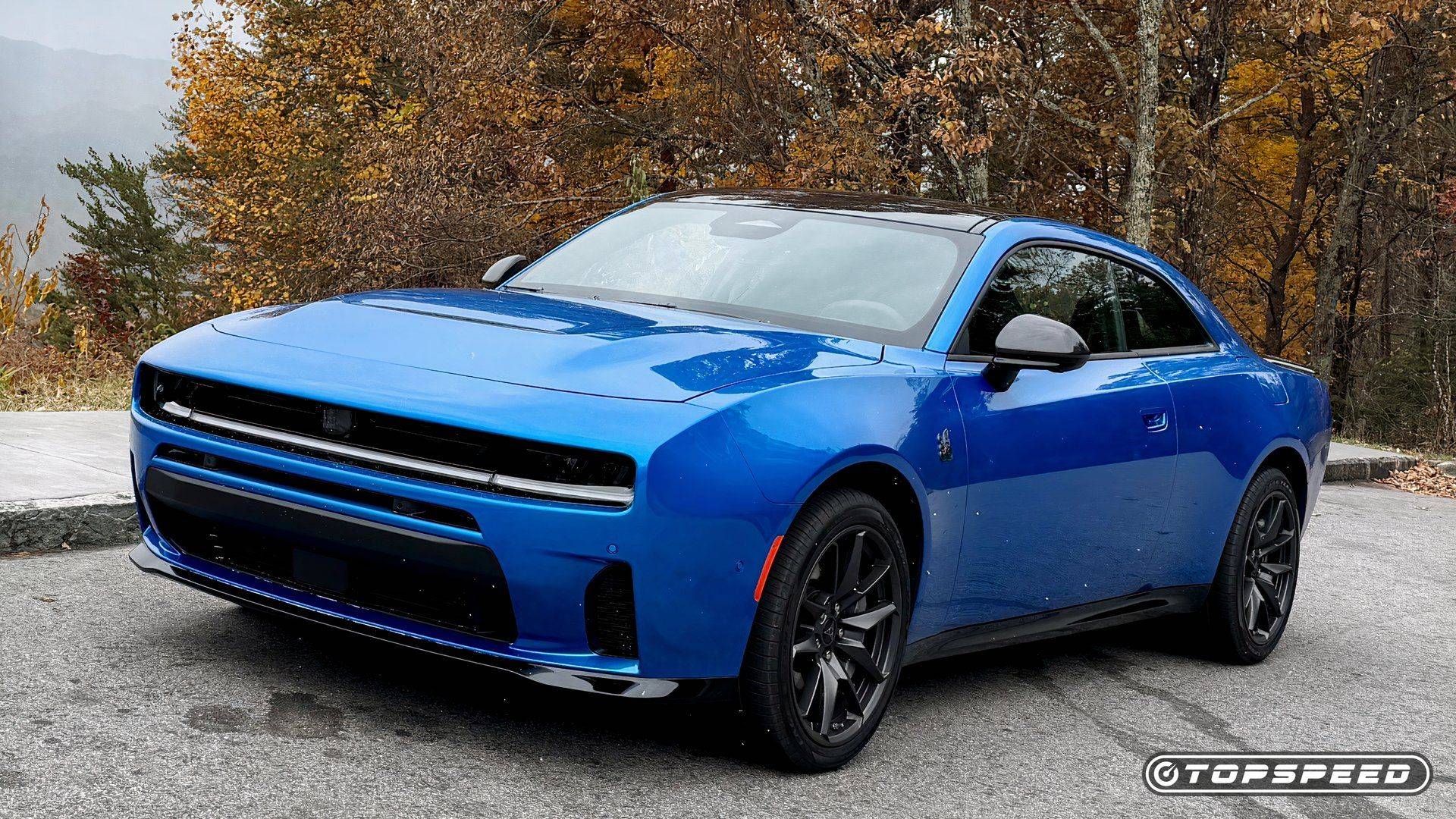
First Drive Review
2026 Dodge Charger Sixpack First Drive: Gas Muscle Gets Its Grip Back
The new Charger Sixpack is at its best when the road stops being easy. Point its broad nose toward a tight, cambered corner, lean into the twin-turbo inline-six, and the big Dodge stops feeling like a nostalgia play. It feels like a modern muscle car learning new tricks without giving up the noise, shove, and attitude that made the badge matter.
A Gas-Powered Answer To The EV Era
Dodge’s all-electric Charger Daytona made a statement, but it also left traditionalists wondering whether old-school muscle had been pushed aside. The 2026 Charger Sixpack answers that concern with combustion power, standard all-wheel drive, and a new high-output version of the 3.0-liter twin-turbo inline-six. In Scat Pack form, the engine produces 550 horsepower at 6,200 rpm and 531 pound-feet of torque at 3,500 rpm.
That power is routed through an eight-speed automatic transmission, and the all-wheel-drive system includes a rear-wheel-drive mode for drivers who still want the classic attitude. A standard-output Sixpack is also part of the lineup with 420 horsepower and 468 pound-feet of torque, but the high-output Scat Pack is clearly the emotional center of the range.
Performance: More Than Straight-Line Muscle
The headline numbers are serious: Dodge quotes a 3.9-second sprint to 60 mph for the high-output Charger Sixpack, along with a 177-mph top speed. The standard-output car tops out at 168 mph. Those figures put the Sixpack exactly where a modern Charger should be, but the more important story is how composed the car feels when the road gets technical.
Earlier Chargers built much of their reputation on brute force. This generation still has the punch, but it adds balance. The fresh platform, standard AWD grip, direct steering, and firm-but-livable ride make the car feel less one-dimensional than the old formula. Its 4,816-pound curb weight is impossible to ignore on paper, yet the car’s confidence under power and stability through repeated transitions make it feel better sorted than its size suggests.
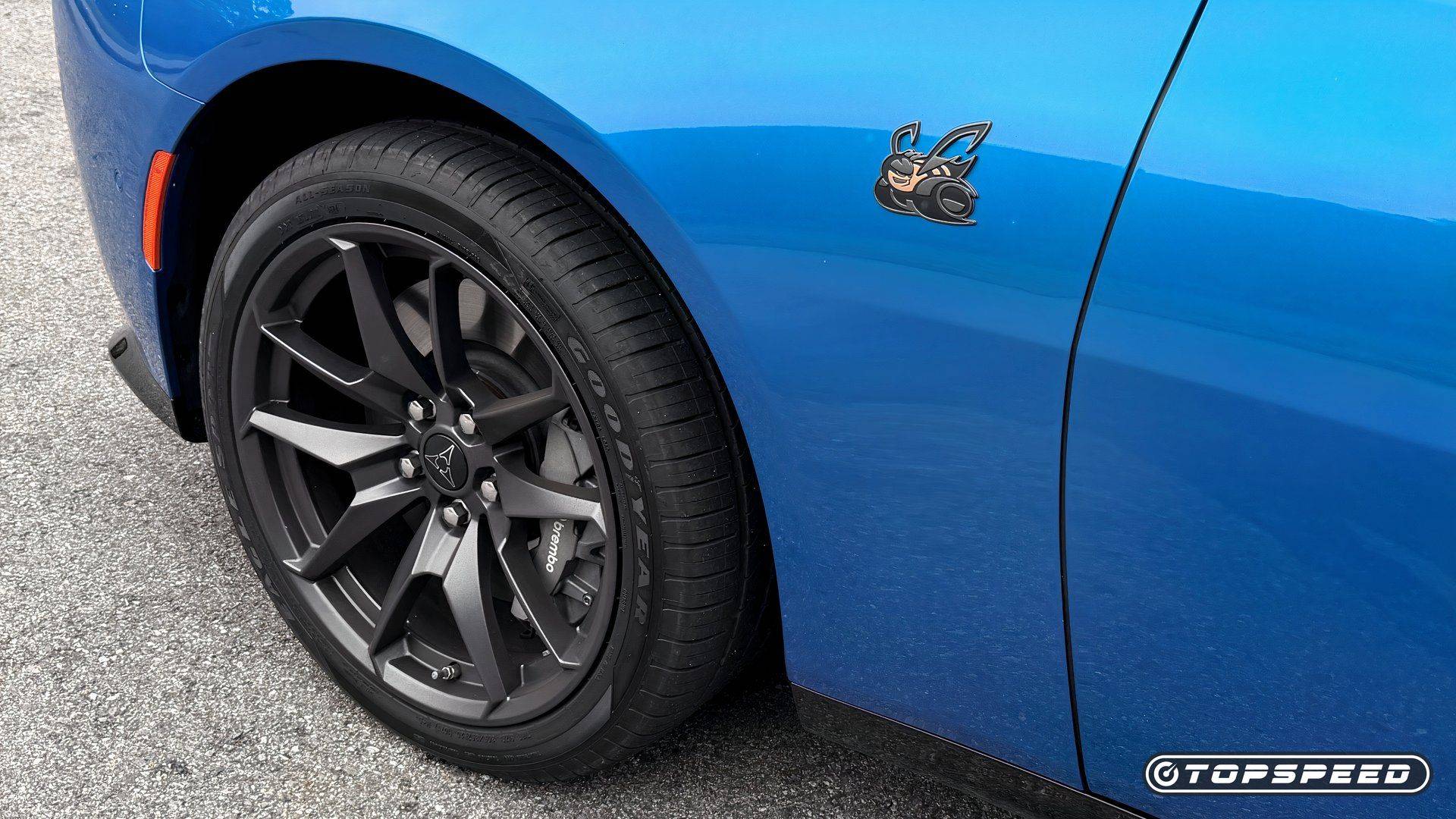
Stopping power matters in a car this quick, and the Sixpack has the hardware to match. Six-piston Brembo front brakes deliver the kind of confidence a 550-hp grand tourer needs, especially when driven hard downhill or through a sequence of demanding corners. Launch control adds drama, but the real win is that the Charger feels secure when it is asked to accelerate, turn, and brake in rapid succession.
Design: Familiar Muscle, Sharper Execution
The new Charger’s design does not hide from its heritage. It is long, wide, assertive, and unapologetically American, measuring 206.6 inches long, 79.8 inches wide, and 59.2 inches tall on a 121.0-inch wheelbase. The proportions give it real road presence, while the sharper front fascia, sculpted hood, and clean lighting signature make it feel less retro costume and more modern performance coupe.
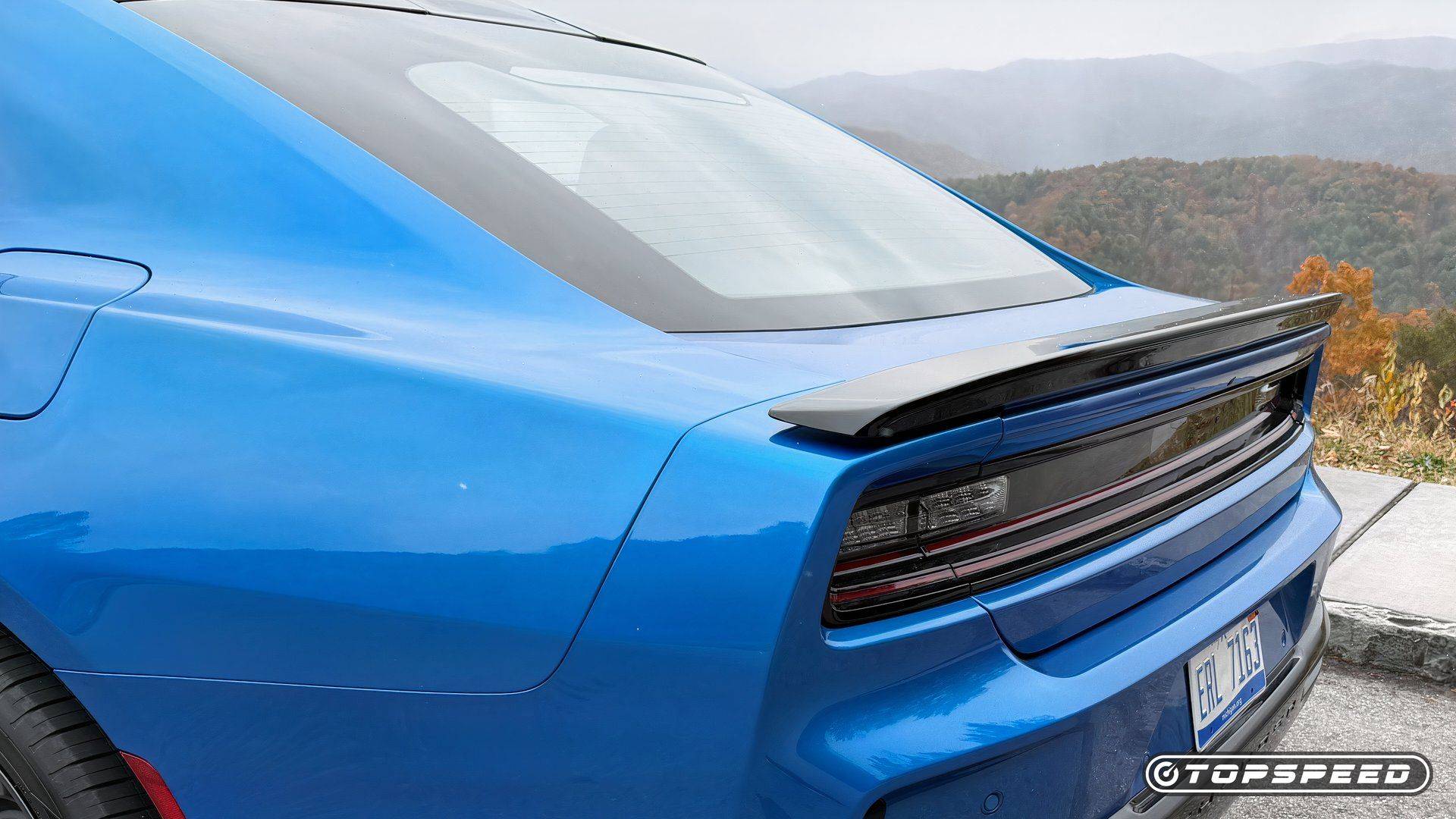
Functional hood vents and bold rear detailing reinforce the muscle-car theme, but the execution feels tighter and more deliberate than before. Dodge wisely avoided making the Sixpack look like an entirely separate idea from the Daytona EV. Instead, it presents the gas-powered Charger as part of the same new-generation family, just with a very different personality under the hood.
Interior: A Real Step Forward
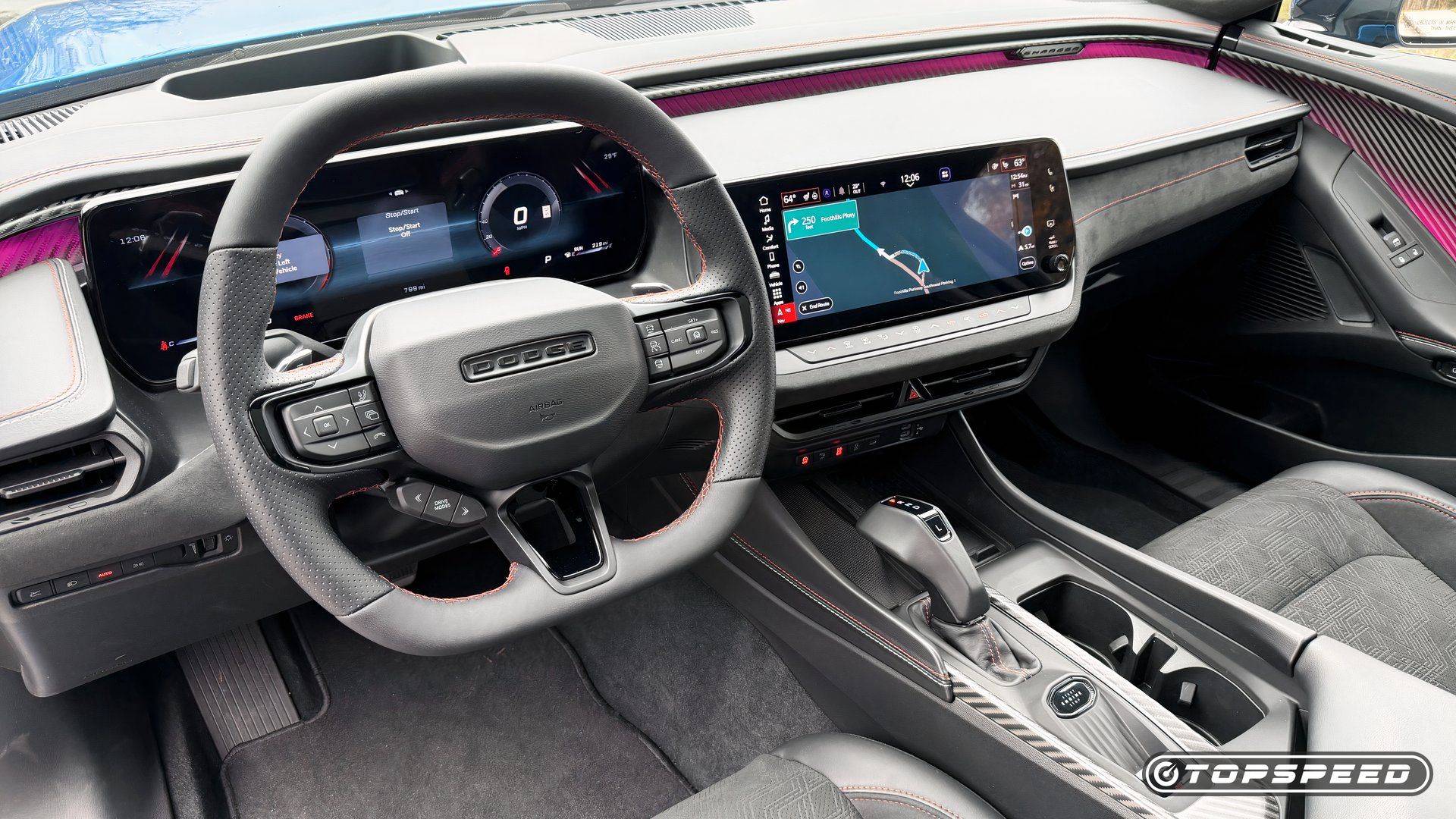
The cabin is one of the biggest changes. The design nods to classic Charger cues, but the layout is cleaner, the materials feel richer, and the driver-focused cockpit finally gives the car an interior that matches its price and performance. The performance seats strike a useful balance between support and long-haul comfort, which matters because this Charger is as much a fast grand tourer as it is a back-road bruiser.
Space is also better than the coupe profile suggests. Front occupants get 39.1 inches of headroom and 42.6 inches of legroom, while the rear bench offers 36.9 inches of headroom and 37.2 inches of legroom. Adults can fit in back, but the two-door’s rear-seat access remains tight. Buyers who regularly carry passengers should strongly consider the four-door, especially because Dodge prices it at about $2,000 more than the two-door Scat Pack.
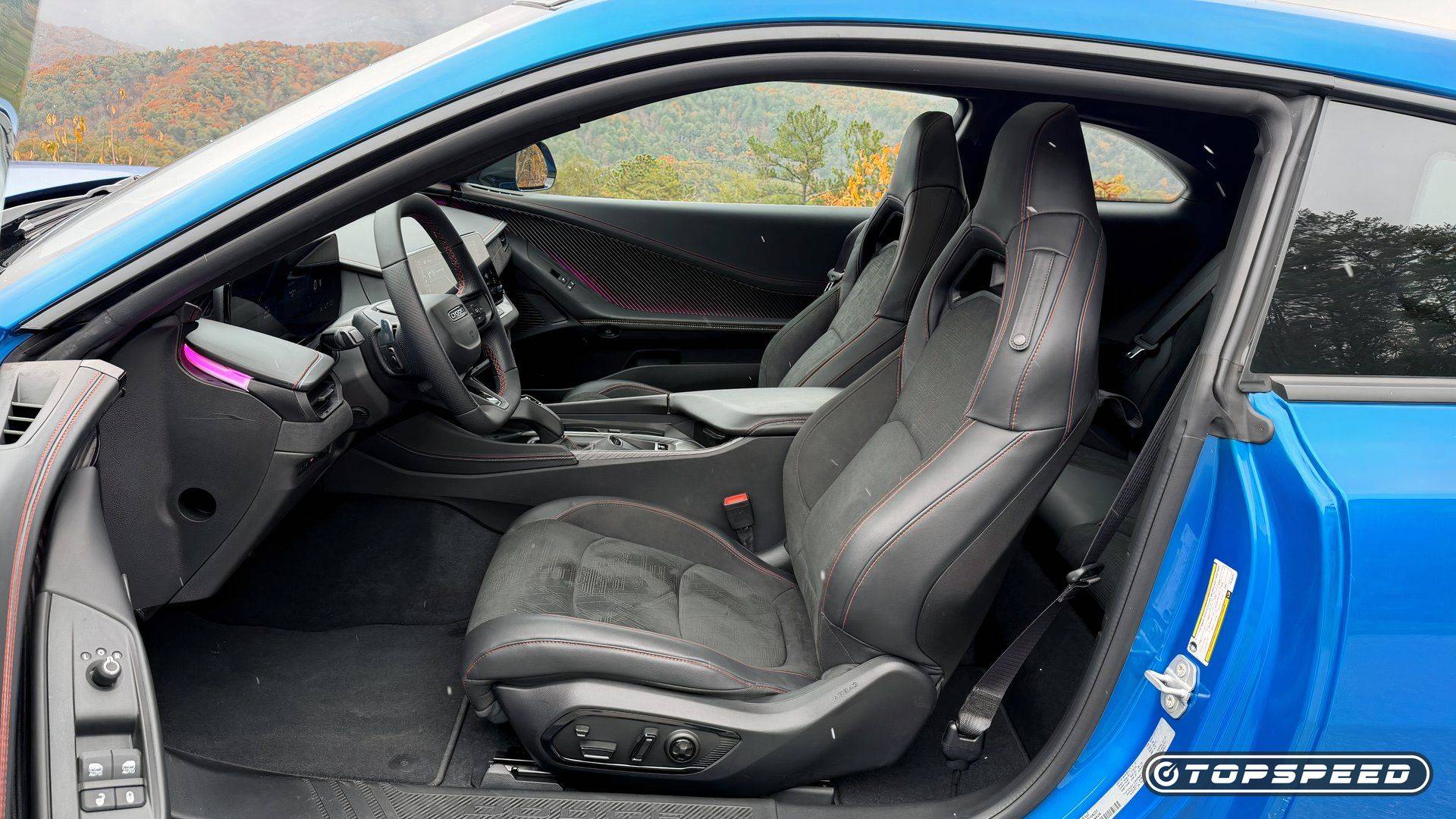
The main cabin compromise is visibility. The rear window is small, and the view out back is narrow enough that a camera-based rearview mirror would be welcome. Still, details like the recessed Qi wireless charging pad and 64-color Attitude Adjustment lighting show that Dodge thought beyond raw acceleration.
Technology And Daily Usability
The technology suite is straightforward and modern. A 12.3-inch touchscreen is standard, and an available 16-inch digital instrument cluster gives the driver a more customizable display. Wireless Apple CarPlay and Android Auto are included, while an available head-up display keeps useful information closer to the driver’s line of sight.
Performance Pages remain a natural fit for a car like this, giving owners a way to monitor the car’s behavior when they are using more than a fraction of its capability. Audio starts with a 9-speaker Alpine system, while an available 18-speaker premium setup turns the cabin into a more convincing daily-driver space.
Practicality is another surprise. The hidden-hatch design gives the Charger 22.75 cubic feet of cargo room with the rear seats up and 37.39 cubic feet with them folded. That is a major advantage over many performance coupes and helps justify the Charger as a real ownership proposition rather than a weekend-only indulgence.
Value: Scat Pack Or R/T?
The two-door Charger Sixpack Scat Pack starts at $54,995, while the four-door adds roughly $2,000. The R/T, due in the first quarter of 2026, starts at $49,995 with the standard-output engine. On paper, the R/T is the cheaper way into a gas-powered Charger, and 420 horsepower is hardly modest. But for buyers shopping with performance as the priority, the Scat Pack’s extra output, stronger acceleration, and higher ceiling make the price difference easier to defend.
The smarter question may be body style rather than trim. The two-door has the cleaner muscle-coupe image, but the four-door gives the same interior dimensions with easier rear-seat access. If this Charger needs to serve as a daily driver or family-friendly performance car, that modest upcharge may be the best value in the lineup.
Verdict: The Charger Evolves Without Losing Its Soul
The 2026 Dodge Charger Sixpack succeeds because it is not just a throwback with a new engine. It keeps the sound, thrust, and attitude that muscle-car fans want, then adds all-weather traction, better handling balance, a more refined cabin, modern tech, and real cargo flexibility. It is still big, rear visibility could be better, and options will push the price upward. But as a bridge between classic Dodge muscle and the realities of today’s performance market, the Sixpack feels like the right move. The Scat Pack is the one enthusiasts will want, and the four-door may be the one they should actually buy.