
Used SUV Buyer Guide
2018 Dodge Journey: Performance, Price and Photos
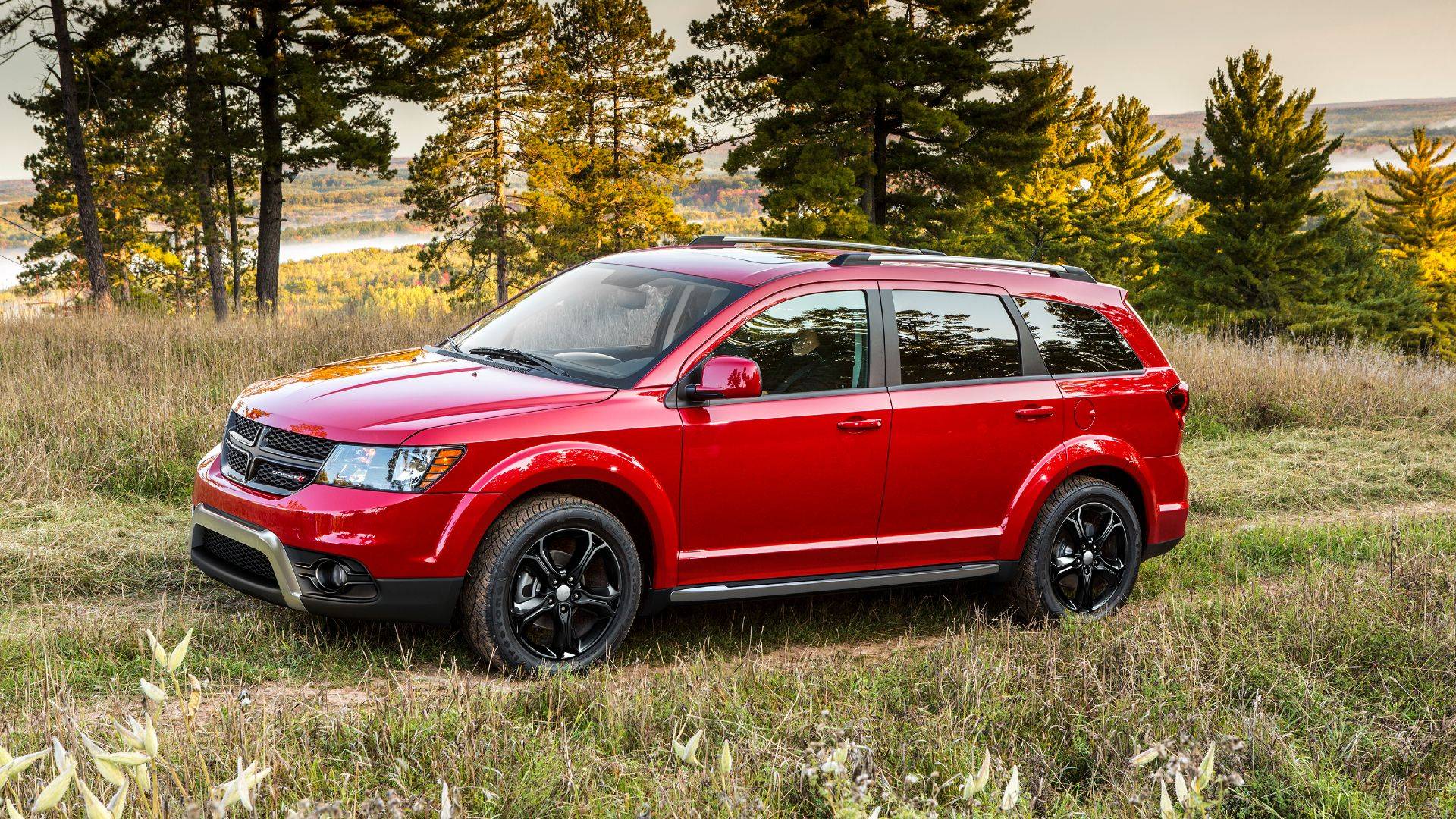
The Dodge Journey was never the most refined, quickest, or most advanced SUV in its class. Its importance is simpler: it gave families three-row seating, useful cargo flexibility, and available V-6 power at a price that undercut many rivals.
Why the 2018 Dodge Journey Still Matters
The Dodge Journey ran from the 2009 model year through 2020, a long life by crossover standards. By 2018, it was an aging design competing against newer midsize SUVs with more safety tech, better fuel economy, and sharper interiors. Yet the Journey continued to appeal to buyers who cared less about class-leading polish and more about stretching a budget.
That is the key to understanding this SUV. A used 2018 Journey can make sense when the priority is affordable family transportation with occasional third-row use. It is not the enthusiast pick, the towing pick, or the tech pick. It is the value pick for shoppers willing to accept compromises.
2018 Dodge Journey Key Specs
Performance and Driving Character
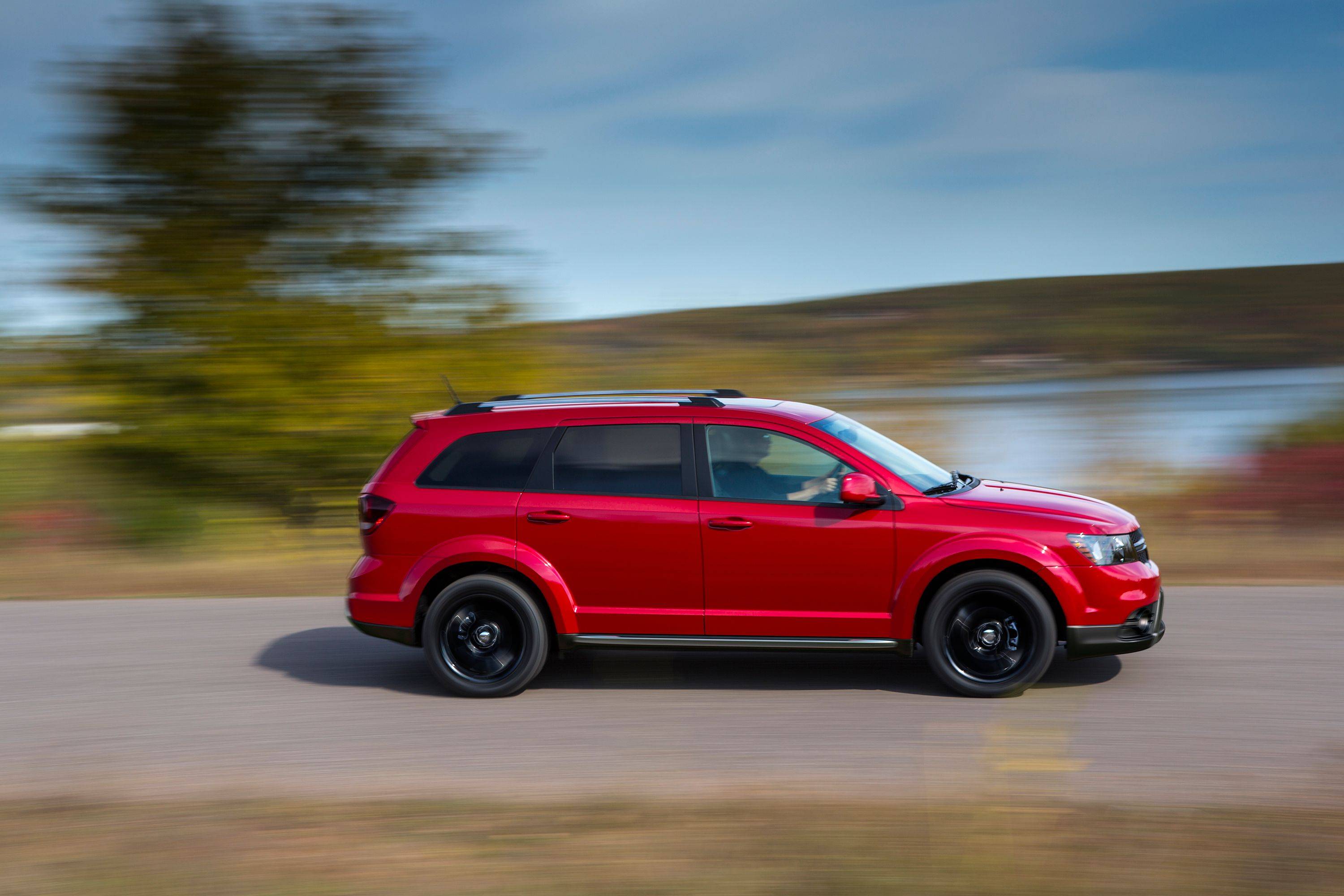
The 2018 Journey came with two very different powertrains. SE, SXT, and Crossroad trims used a 2.4-liter naturally aspirated four-cylinder with 173 horsepower and 166 pound-feet of torque. That engine was paired with an outdated four-speed automatic, and it is best viewed as basic transportation rather than a satisfying drivetrain.
The stronger choice is the 3.6-liter Pentastar V-6, rated at 283 horsepower and 260 pound-feet of torque. It came standard on the GT and was tied to a six-speed automatic. All-wheel drive was available only with the V-6. Even then, acceleration and handling were not the Journey’s calling cards. Contemporary testing placed V-6 acceleration to 60 mph in the high-seven-second range, while the four-cylinder model felt noticeably slower.
Ride comfort is the bright spot. The Journey is relaxed on the highway and easy to drive around town, but buyers should not expect crisp steering, sporty body control, or modern transmission response. Fuel economy is also modest: four-cylinder models were rated around 19 mpg city, 25 mpg highway, and 21 mpg combined, while V-6 models returned roughly 17/25/19 mpg.
Trim Levels and Features
The 2018 Dodge Journey lineup included SE, SXT, Crossroad, and GT trims. The SE kept the price low and included the basics, including standard third-row seating and dual-zone climate control. The SXT added more convenience equipment and served as a step up for buyers who wanted more than a bare-bones family hauler.
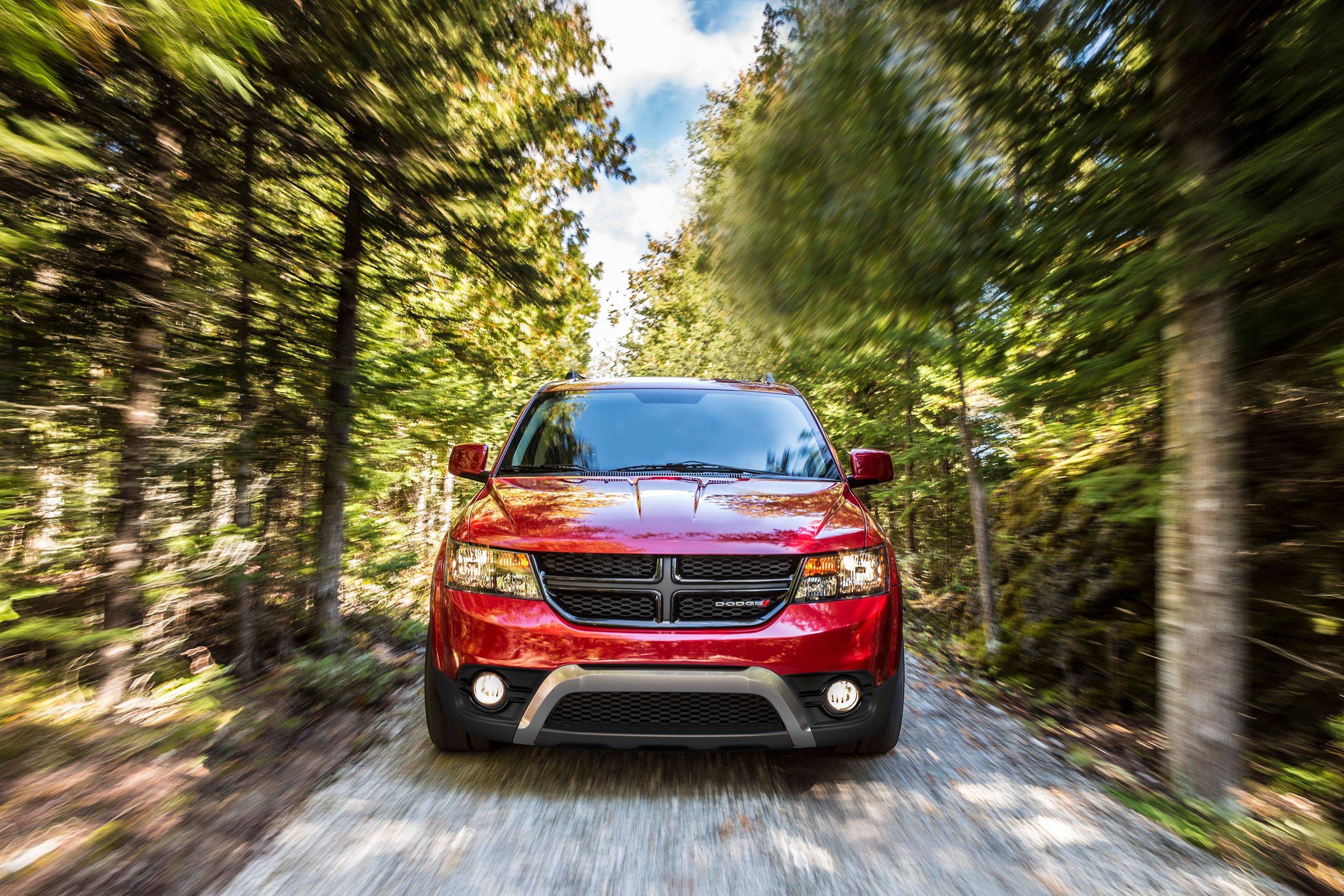
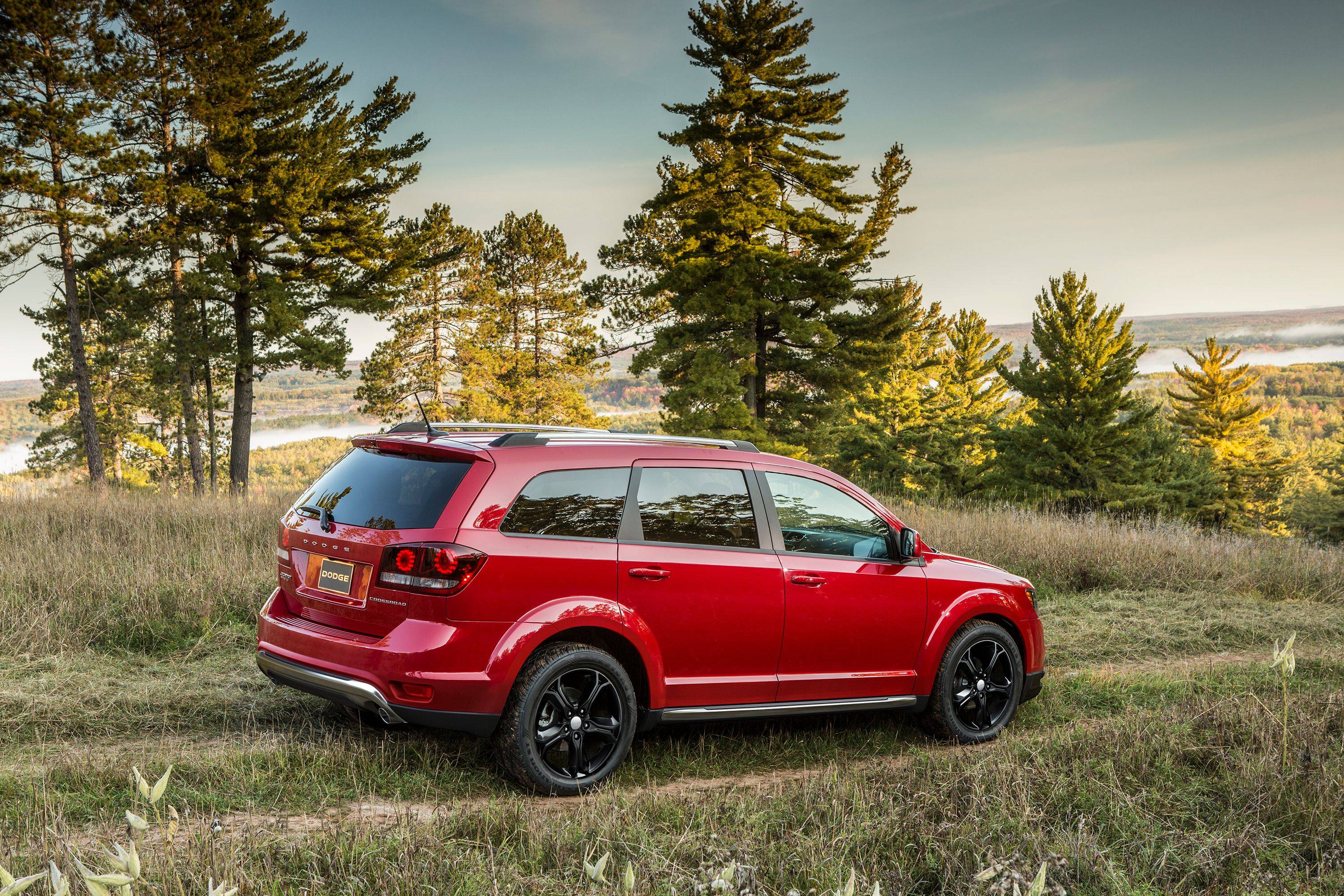
Crossroad models brought a more distinctive appearance, with available 19-inch wheels, leather seating options, and access to more comfort packages. The GT was the most desirable version for many used shoppers because it included the V-6 as standard and added the nicest interior materials in the lineup, including leather-trimmed seats with perforated inserts.
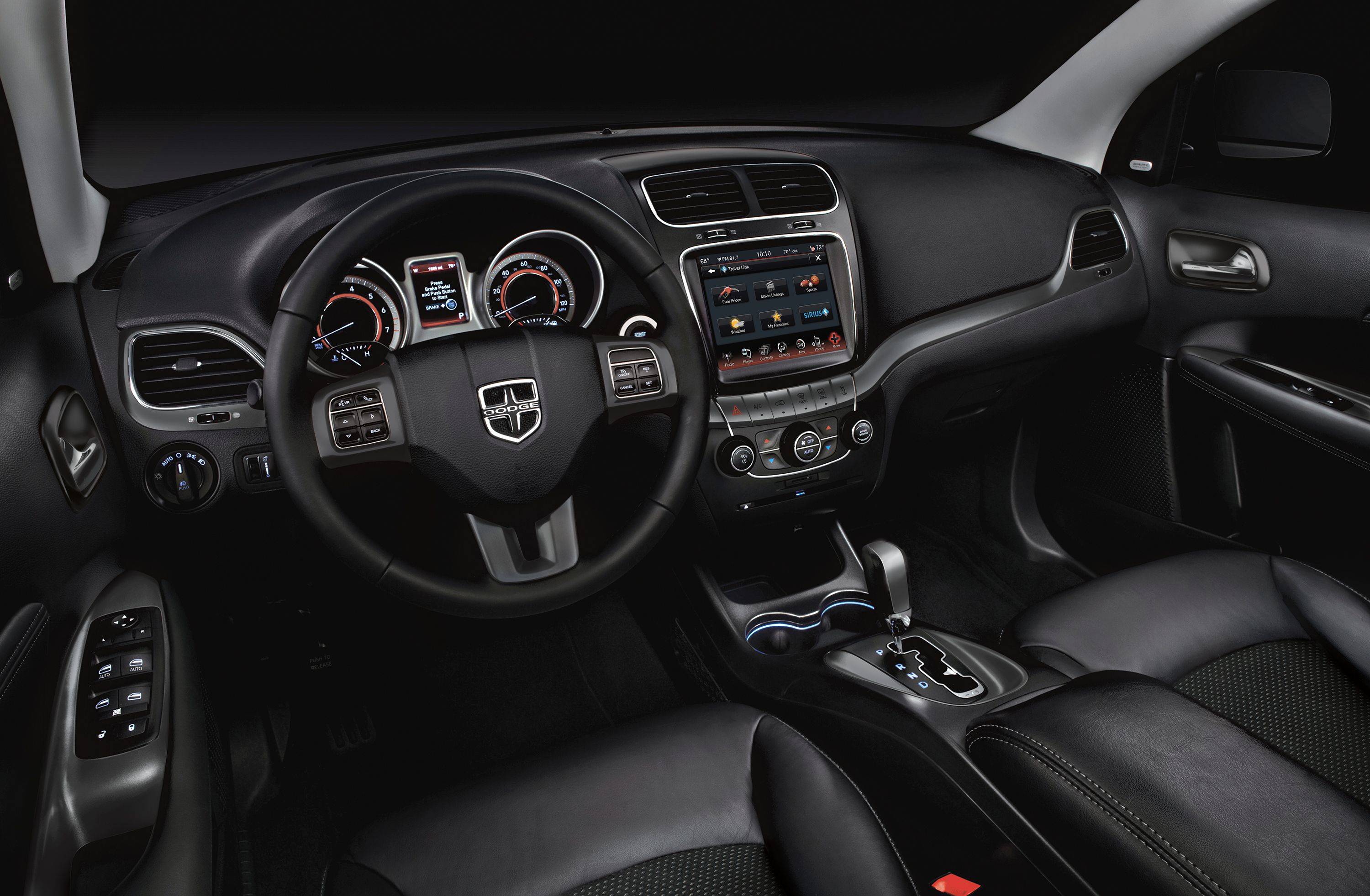
Technology is where the Journey shows its age. A 4.3-inch touchscreen was standard, while upper trims could be equipped with an 8.4-inch Uconnect screen, SiriusXM, navigation, and a rear-seat video package. However, Apple CarPlay and Android Auto were not available, and Bluetooth availability was limited compared with newer rivals.
Interior, Space, and Everyday Practicality
The cabin is simple and practical rather than upscale. Controls are easy to understand, the seating position is comfortable, and the second row works well for children or adults on shorter drives. The third row is the main selling point on paper, but it is tight; it is best reserved for kids or occasional use.
Cargo space is limited with all three rows raised, at about 10.7 cubic feet behind the rear seats. Fold the third row down, though, and the Journey becomes much more useful, offering around 37 cubic feet behind the second row. That makes it better suited to four- or five-person families who need extra cargo flexibility more often than they need all seven seats occupied.
Safety, Recalls, and Reliability Notes
The 2018 Journey earned a four-star overall rating from the NHTSA, with stronger side-crash performance than frontal or rollover results. Standard safety equipment included airbags, electronic roll mitigation, brake assist, trailer sway control, and LATCH child-seat anchors. What it lacked were the driver-assistance features now common on used family SUVs, such as adaptive cruise control, lane-keeping assistance, or automatic emergency braking.
Reliability is a major inspection point. The 2018 Journey was subject to six recalls, including issues related to powertrain control, rear brake performance, and cruise-control operation. Before buying, confirm through the VIN that all recall work has been completed and budget for a thorough pre-purchase inspection.
Pricing and Used Market Value
When new, the 2018 Dodge Journey started at about $24,390 and topped out around $34,490. On the used market, pricing varies heavily by mileage, condition, trim, drivetrain, and maintenance history. The source article noted typical used examples in the roughly $11,000 to $20,000 range for vehicles with about 50,000 to 90,000 miles, though current local pricing will depend on market conditions.
For most shoppers, the sweet spot is a clean V-6 Crossroad or GT with documented maintenance and completed recalls. The four-cylinder can be cheaper, but its slower performance and older transmission make it harder to recommend unless the price is especially attractive.
Pros and Cons
Pros
- Affordable entry point for a three-row SUV
- Standard third-row seating
- Available V-6 and all-wheel drive
- Useful cargo room with the third row folded
- Comfortable highway ride
Cons
- Outdated technology and no Apple CarPlay or Android Auto
- Weak four-cylinder engine
- Tight third-row seating
- Few active safety features
- Recall and reliability history requires careful checking
Who Should Buy a 2018 Dodge Journey?
The Journey is best for budget-minded families who need an inexpensive three-row SUV and are comfortable prioritizing price over technology, performance, and advanced safety features. It can be a smart fit for school runs, errands, road trips with four or five passengers, and buyers who want available all-wheel drive without moving into a much more expensive crossover.
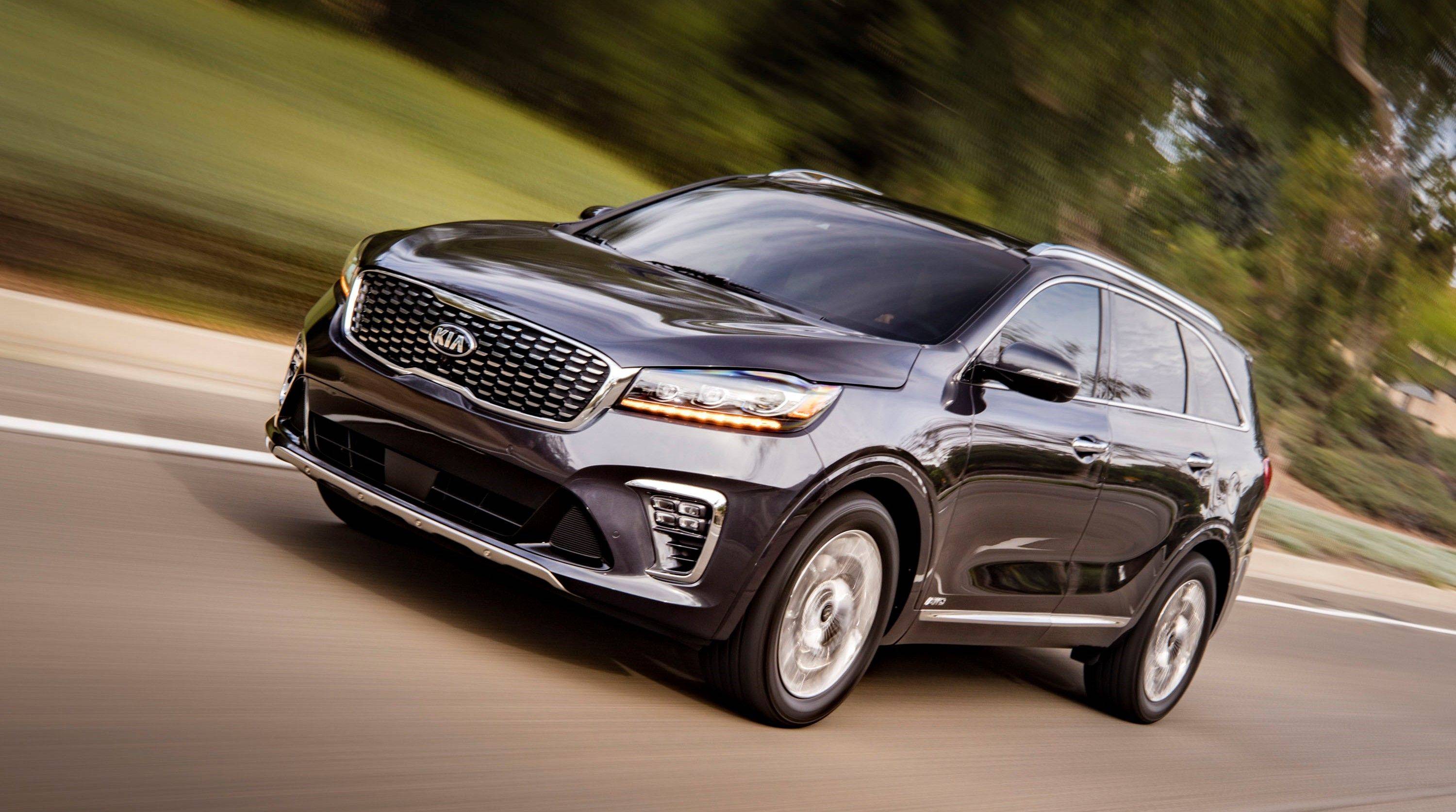
It is not the best fit for shoppers who tow regularly, want modern connectivity, need a roomy adult-friendly third row, or expect sporty driving dynamics. If the budget allows, competitors like the Kia Sorento, Hyundai Santa Fe, and Nissan Pathfinder are worth cross-shopping. If the Journey’s price is low, the service records are strong, and the recalls are complete, however, it remains a practical used-SUV bargain.
Verdict
The 2018 Dodge Journey’s appeal is not mystery or magic; it is math. It offers space, seating, and available V-6 power for less money than many three-row alternatives. The trade-offs are real, especially in safety tech, interior refinement, efficiency, and long-term reliability confidence. Buy one carefully, favor the V-6, verify recall completion, and treat it as a budget family tool rather than a class-leading SUV.