
Buyer’s Guide
1984-1996 Chevrolet Corvette C4: Performance, Price and Photos
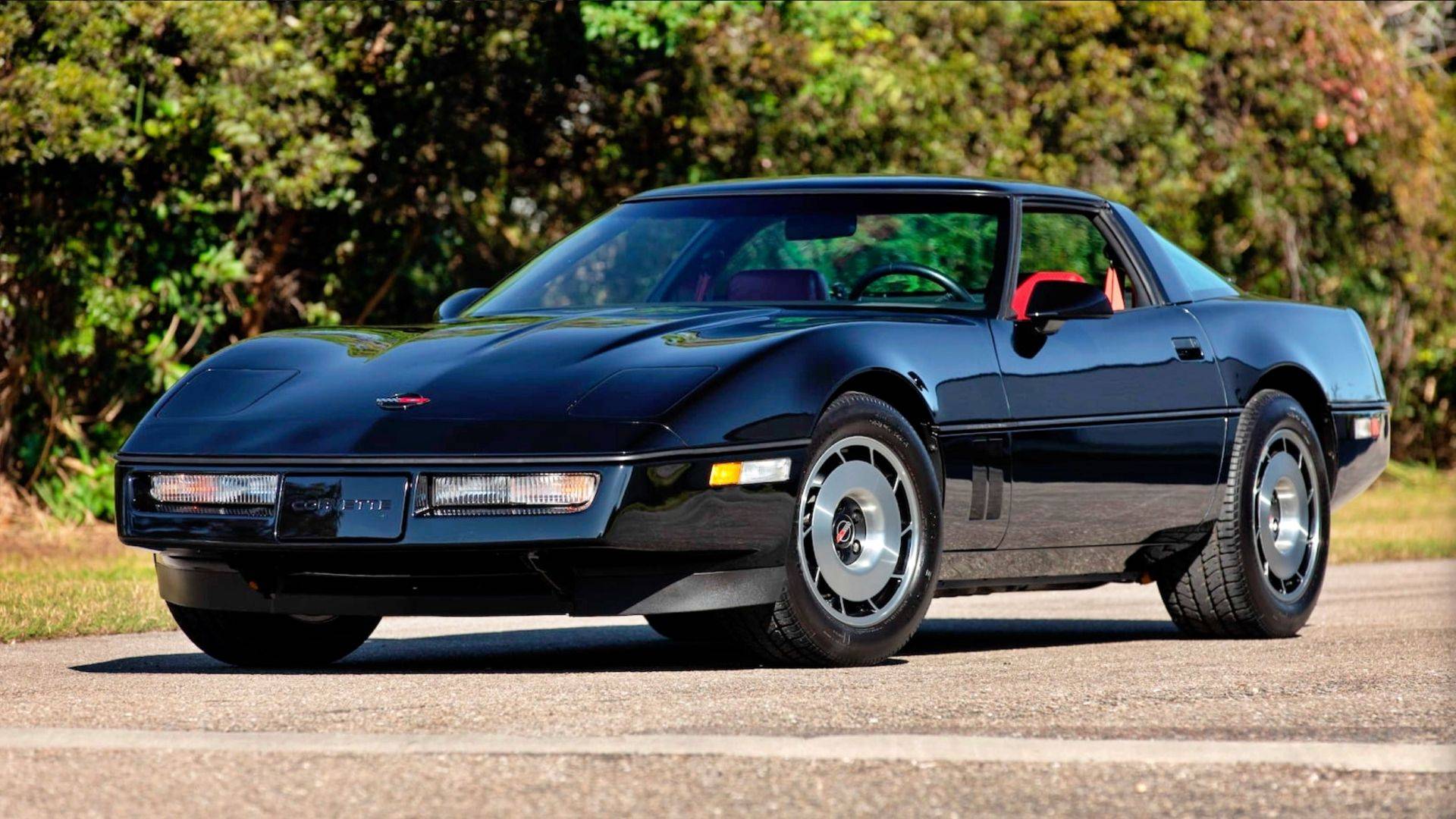
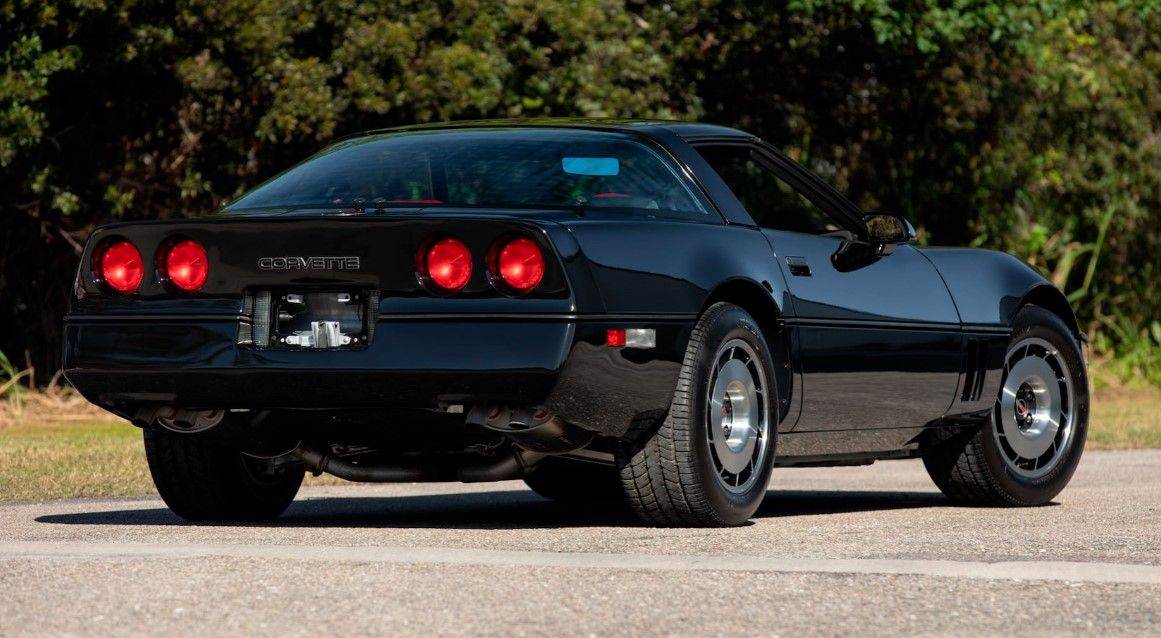
The fourth-generation Corvette matters because it changed the way Chevrolet thought about performance. Instead of simply chasing bigger horsepower numbers, the C4 focused on chassis stiffness, lower weight, aerodynamics, and handling. That shift helped transform the Corvette from an old-school American bruiser into a more complete sports car.
History And Background
Sold from 1984 through 1996, the Chevrolet Corvette C4 replaced the long-running C3 with a clean-sheet design. There was no public 1983 model year Corvette, so the 1984 C4 arrived after a delayed development cycle with a new chassis, sleeker proportions, and a much more technical mission. Chevrolet was responding to tightening emissions rules, fuel-economy pressure, and a sports-car market increasingly shaped by Porsche, Nissan, Mazda, and other global competitors.
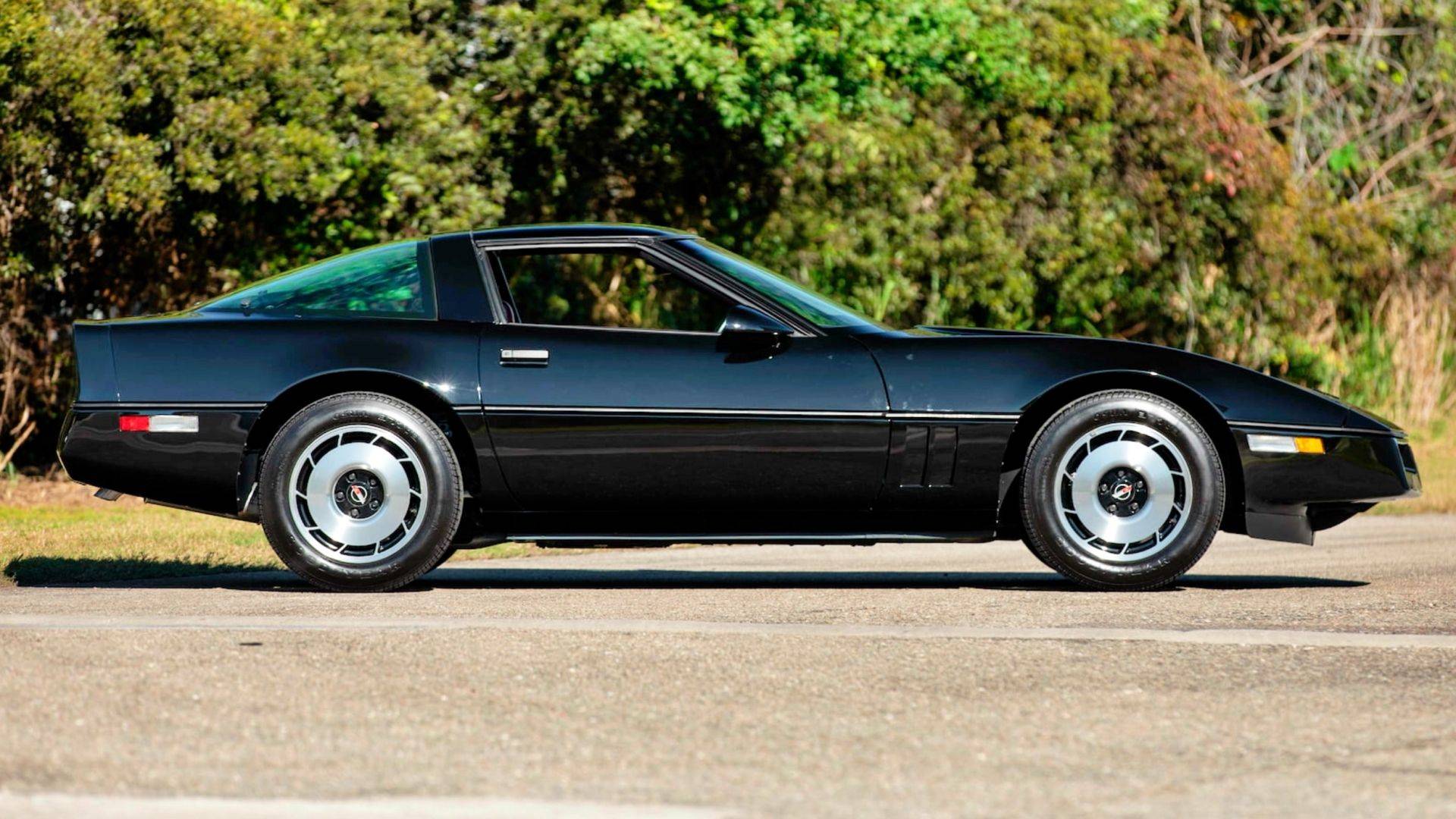
The C4’s biggest breakthrough was not brute force. Early versions were not especially powerful, but the platform brought a stiffer structure, independent suspension updates, lighter components, a transverse fiberglass mono-leaf spring, aluminum brake calipers, and a body made largely from sheet-molded plastic panels. The coupe also used a practical glass hatchback, while the removable roof panel helped keep the Corvette’s open-air character alive. A convertible returned in 1986 for the first time in more than a decade.
Performance Specs And Engine Lineup
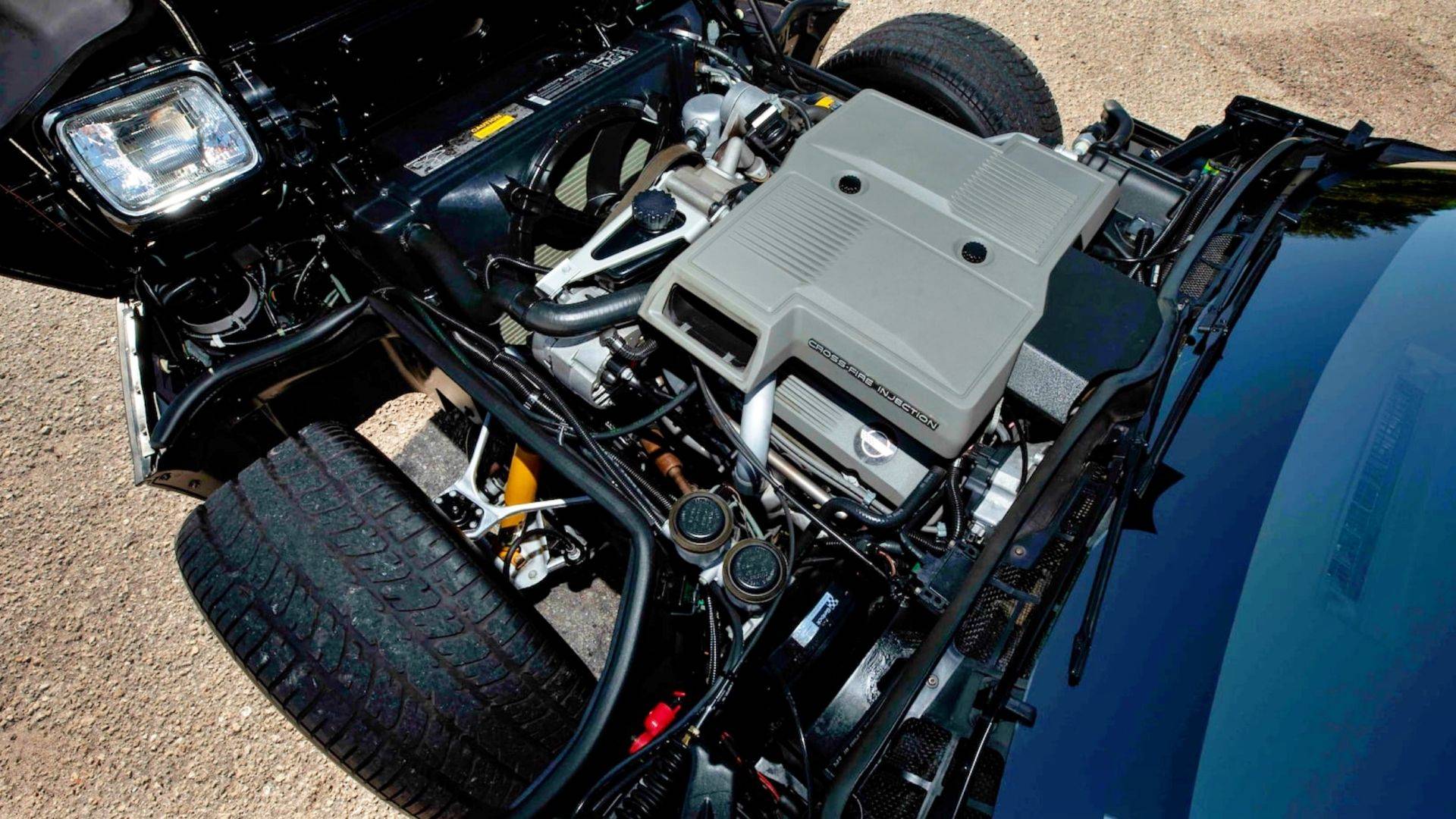
Every C4 Corvette used a 5.7-liter V8, but the experience changed dramatically across the generation. The 1984 car carried over the L83 V8 with Cross-Fire injection, producing 205 horsepower and 290 pound-feet of torque. It was adequate for the era but slow by Corvette standards, with 0-60 mph taking about 8.1 seconds and the quarter-mile arriving in roughly 15.9 seconds.
The L98 replaced it for 1985 and brought stronger torque and better drivability, with output eventually reaching 250 horsepower. The major mainstream upgrade arrived in 1992 with the LT1 V8, rated at 300 horsepower. For many shoppers, the LT1 cars are the sweet spot because they combine stronger acceleration, broad availability, and a large aftermarket.
The performance legend of the C4 range is the ZR-1. Built from 1990 to 1995, it used the LT5 V8, a 32-valve dual-overhead-cam engine developed with Lotus and built with help from Mercury Marine. Output climbed as high as 405 horsepower and 385 pound-feet of torque, enough for a 4.4-second 0-60 mph run, a 12.7-second quarter-mile, and a top speed beyond 180 mph. The later Grand Sport and LT4 cars also gave enthusiasts a desirable middle ground with 330 horsepower.
| Engine | Years | Horsepower | Torque |
|---|---|---|---|
| 5.7L L83 V8 | 1984 | 205 hp | 290 lb-ft |
| 5.7L L98 V8 | 1985-1991 | 230-250 hp | 330-345 lb-ft |
| 5.7L LT1 V8 | 1992-1996 | 300 hp | 335-340 lb-ft |
| 5.7L LT4 V8 | 1995-1996 | 330 hp | 340 lb-ft |
| 5.7L LT5 V8 | 1990-1995 | 375-405 hp | 370-385 lb-ft |
Trim Levels And Body Styles
The C4 was offered primarily as a coupe or convertible, with several important performance and appearance packages across its life. Base coupes are the most common and often the most affordable. Convertibles typically cost more, especially when paired with a manual transmission and clean service history. Transmission choices included a four-speed automatic, a six-speed manual on later cars, and the unusual Doug Nash 4+3 manual with automatic overdrive on earlier models.
The ZR-1 sits at the top of the lineup. Wider rear bodywork, the LT5 engine, and limited production make it the collector-grade C4. The Grand Sport, introduced near the end of production, is another enthusiast favorite thanks to LT4 power, special visual treatment, and rarity. For a driver, however, a clean 1992-1996 LT1 coupe or convertible may be the smartest blend of performance, price, and parts support.
Interior, Comfort, And Technology
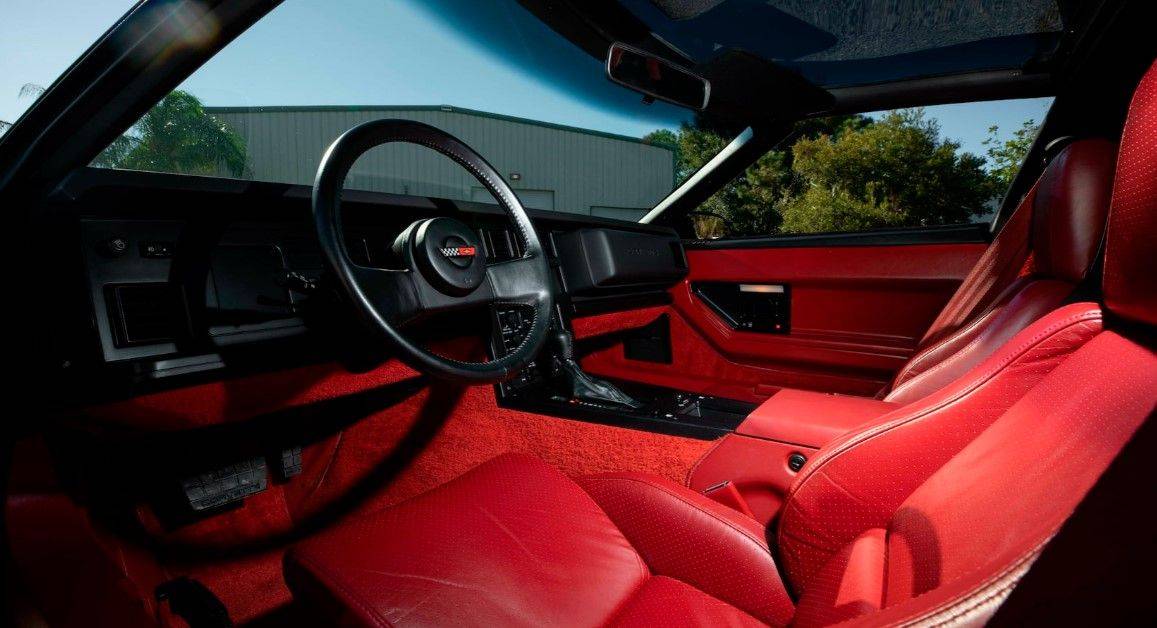
The C4 interior is one of the car’s most recognizable features. Early cars used a futuristic digital instrument display with colorful readouts, while later cars adopted a more conventional layout. The driving position is low and sporty, and shoulder room improved compared with the outgoing generation. Optional sport seats with power adjustments, lumbar support, and more aggressive bolstering are worth seeking out.
There are compromises. The tall side sills that help chassis rigidity also make the C4 awkward to enter and exit, especially for taller drivers. Older examples can suffer from worn interior plastics, tired weather seals, electrical quirks, and anti-theft system issues. A careful pre-purchase inspection matters more than the badge on the fender.
Pricing And Market Outlook
When new, the C4 Corvette covered a wide price range, from the low-$20,000s for early base cars to nearly $60,000 for the most expensive ZR-1 models. Today, values depend heavily on year, engine, condition, mileage, documentation, and transmission. Early L83 and many L98 cars can still be found below $20,000, while clean LT1 cars often command more because they are easier to enjoy and modify. ZR-1 prices can climb dramatically, with the best examples approaching serious collector-car money.
The C4’s construction also gives it one useful advantage as a used car: rust is not usually as threatening as it can be on older steel-bodied classics. That does not mean buyers can ignore condition. Look for service records, clean cooling systems, healthy electronics, working gauges, good tires, and suspension components that have not been neglected.
Pros And Cons
Pros
- Affordable entry into Corvette ownership
- All models use V8 power
- Strong handling for its era
- Good parts support and enthusiast knowledge
- ZR-1 and Grand Sport models have real collector appeal
Cons
- Early 1984 cars feel underpowered
- Cabin entry and exit can be awkward
- Aging electronics require careful inspection
- Interior materials do not always age gracefully
- ZR-1 ownership costs are higher than base-car costs
Main Rivals
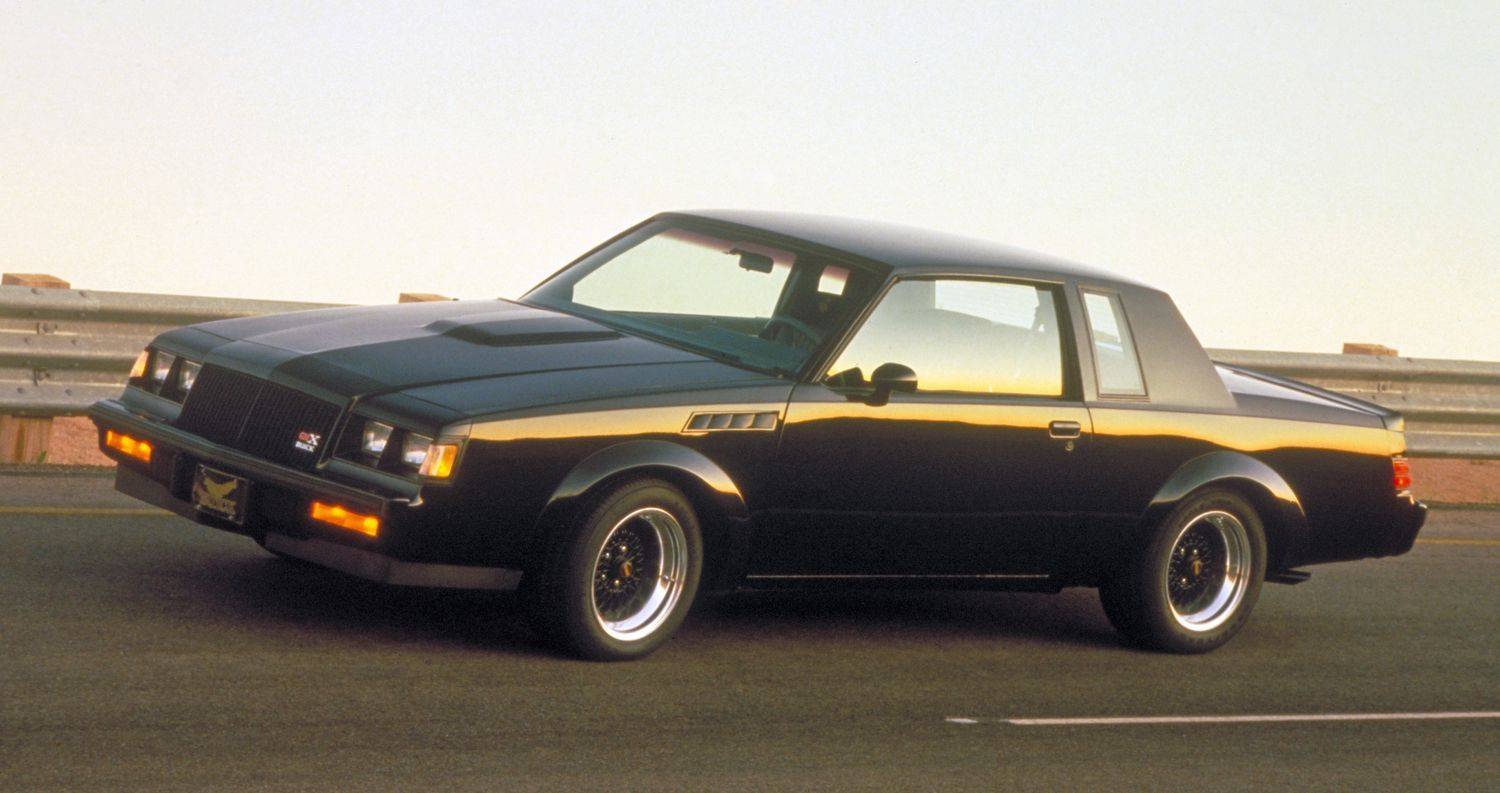
The C4 competed against a wide range of performance cars. Chevrolet benchmarked European models such as the Porsche 928, while cars like the Nissan 300ZX pushed Japanese sports-car technology into the American market. From inside GM, the Buick Grand National became a surprise threat with turbocharged V6 torque, and the Chevrolet Camaro offered similar straight-line excitement for less money.
Who Is The C4 Corvette Best Suited For?
The C4 is best for buyers who want a usable classic with V8 character, sharp styling, and a lower entry price than many older or newer Corvettes. It is especially appealing to drivers who care about handling as much as horsepower. A clean LT1 car is the easy recommendation for most people, while an LT4 Grand Sport or ZR-1 is better suited to collectors and enthusiasts with larger budgets.
Skip neglected examples, no matter how cheap they look. The right C4 should feel tight, start cleanly, run cool, shift properly, and show evidence of regular care. Bought well, the 1984-1996 Corvette C4 remains one of the most interesting performance bargains in the Corvette family: modern enough to drive often, old enough to feel analog, and important enough to deserve its place in Chevrolet history.