
Classic muscle buyer’s guide
1970 Chevy Chevelle: Comprehensive Guide
The 1970 Chevrolet Chevelle sits at the center of muscle-car history, but buying one today takes more than nostalgia. Here is what to know about its background, engines, trims, values, strengths, weaknesses, and ideal owners.
Why the 1970 Chevy Chevelle Matters
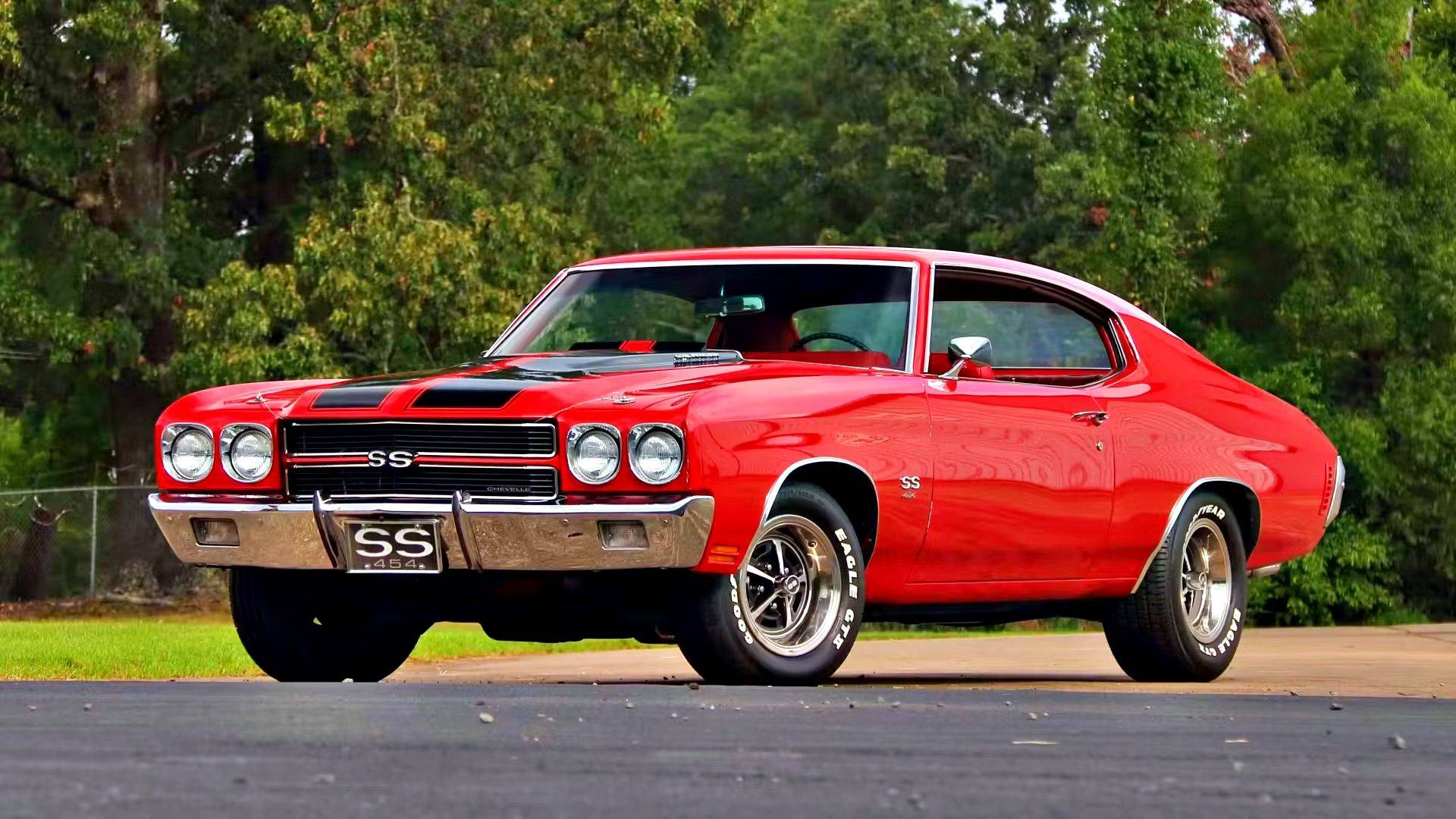
The 1970 Chevy Chevelle arrived at the peak of America’s muscle-car era. Styling was sharper, engines were bigger, and Chevrolet was fighting hard for attention in a market packed with GTOs, Road Runners, Chargers, Cutlasses, and Torino Cobras. The Chevelle mattered because it could be many things at once: a practical mid-size family car, a handsome Malibu hardtop, a weekend cruiser, or one of the most intimidating big-block street machines of its day.
That range is still the reason enthusiasts chase these cars. A base V-8 Chevelle can deliver classic style without SS 454 money, while a documented LS6 car sits among the most collectible Chevrolet muscle cars ever built. For buyers, the key is understanding which Chevelle you are looking at, how original it is, and whether its condition justifies the price.
History and Background
The Chevelle nameplate debuted for 1964 as Chevrolet’s mid-size answer to the growing performance and family-car market. By 1970, the second-generation Chevelle had received fresh sheet metal, a broad body-style lineup, and some of the strongest engines Chevrolet would offer before emissions rules and insurance pressure reshaped the muscle scene.
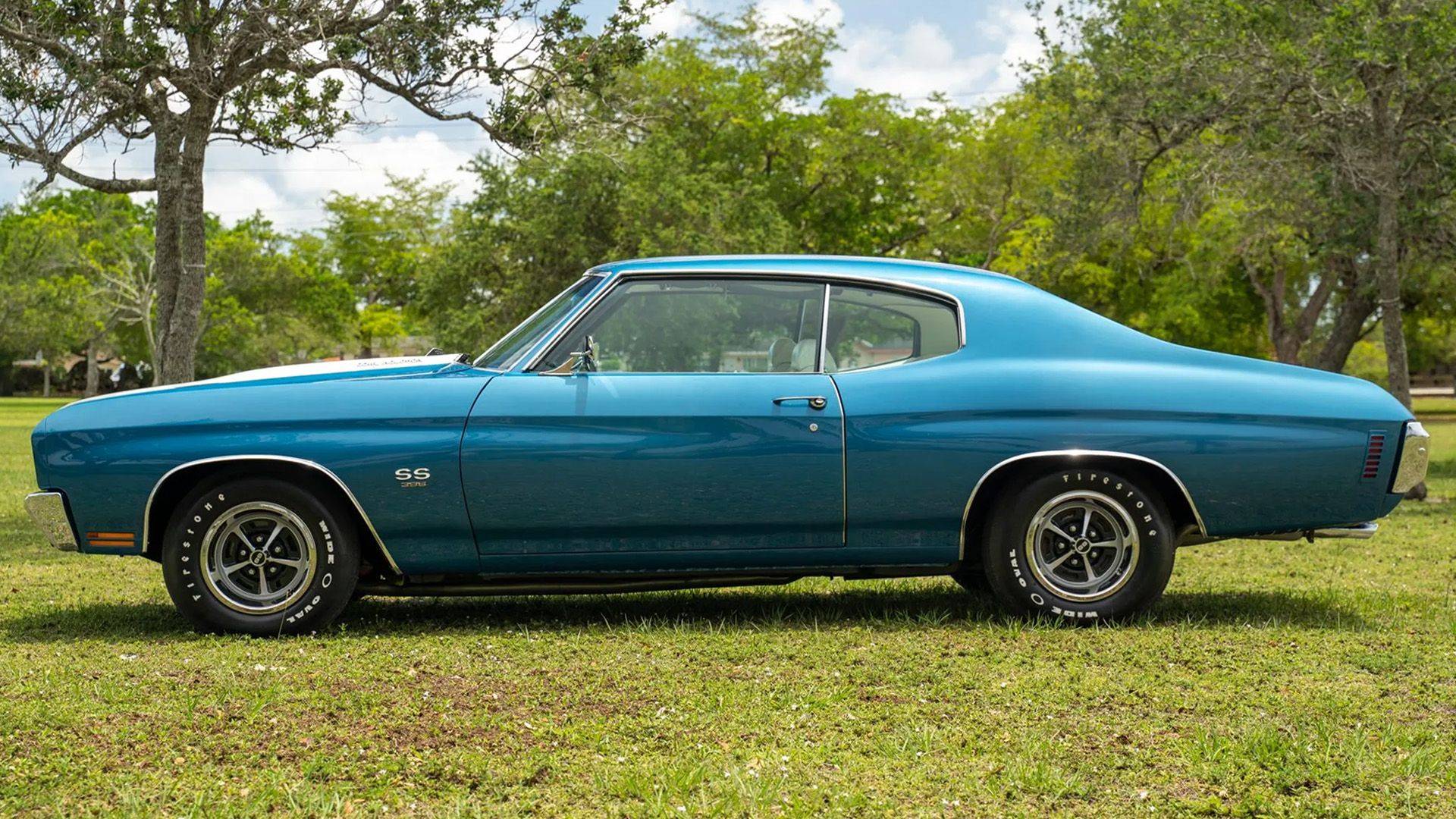
Body styles included coupes, sedans, convertibles, wagons, and El Camino variants, but the image most people picture is the two-door hardtop with a long hood, clean sides, and an aggressive stance. The Malibu was the upscale mainstream trim, while Super Sport equipment transformed selected models into the Chevelle’s performance icons. The year is especially famous because General Motors lifted its corporate displacement limit for mid-size cars, allowing Chevrolet to install the 454-cubic-inch big-block in the Chevelle SS.
Performance Specs and Engine Options
The 1970 Chevelle engine range started modestly and climbed quickly. Entry-level cars could be ordered with a 250-cubic-inch inline-six rated at about 155 horsepower, while the common 307-cubic-inch V-8 brought output to around 200 horsepower. Small-block 350 V-8 options filled the middle of the range with roughly 250 to 300 horsepower, making them appealing for buyers who want usable torque, easier maintenance, and lower purchase prices than big-block SS cars.
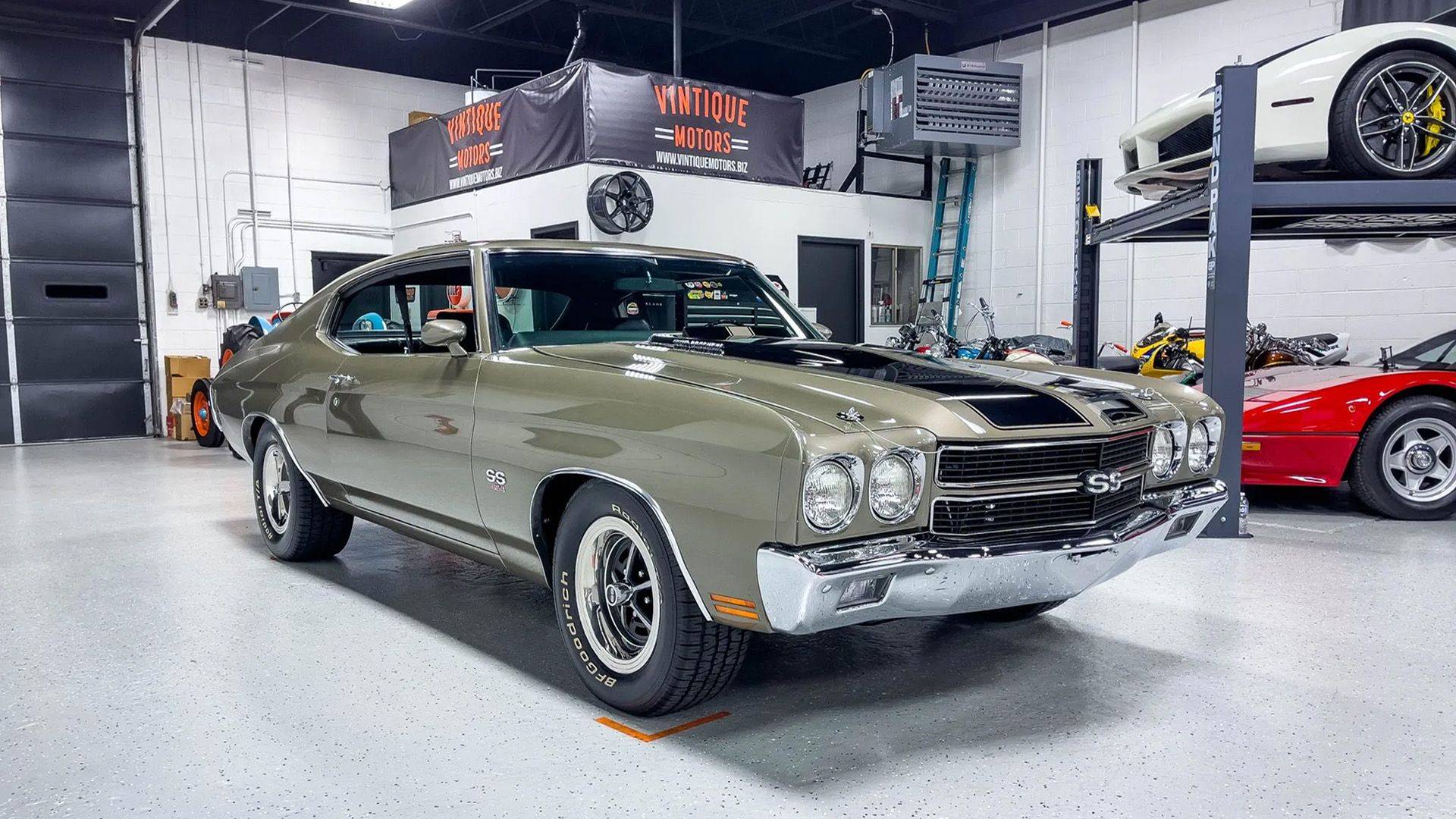
The serious performance story begins with the SS 396, though the 1970 engine was actually a 402-cubic-inch big-block. Depending on specification, output ranged from about 330 to 375 horsepower. Above that sat the SS 454. The LS5 454 used a hydraulic cam and was rated at 360 horsepower, while the legendary LS6 454 used solid lifters and carried a factory rating of 450 horsepower. That number made the LS6 Chevelle one of the most powerful regular-production muscle cars of the era.
Transmission availability depended on engine choice. Six-cylinder and small-block cars could use Powerglide or Turbo Hydra-Matic automatics, along with three- and four-speed manuals. Big-block cars generally stepped up to stronger choices such as the Turbo 400 automatic or Muncie four-speed manual. For shoppers, a correct drivetrain is a major value factor, especially on SS 396 and SS 454 cars.
Trim Levels and Models
Not every 1970 Chevelle is an SS, and that is a good thing for many buyers. The base Chevelle replaced the earlier 300 Deluxe naming in the U.S. market and served as the simple, no-frills starting point. Malibu models added more comfort and trim, and they are often the sweet spot for buyers who want the look without the cost of a verified SS.
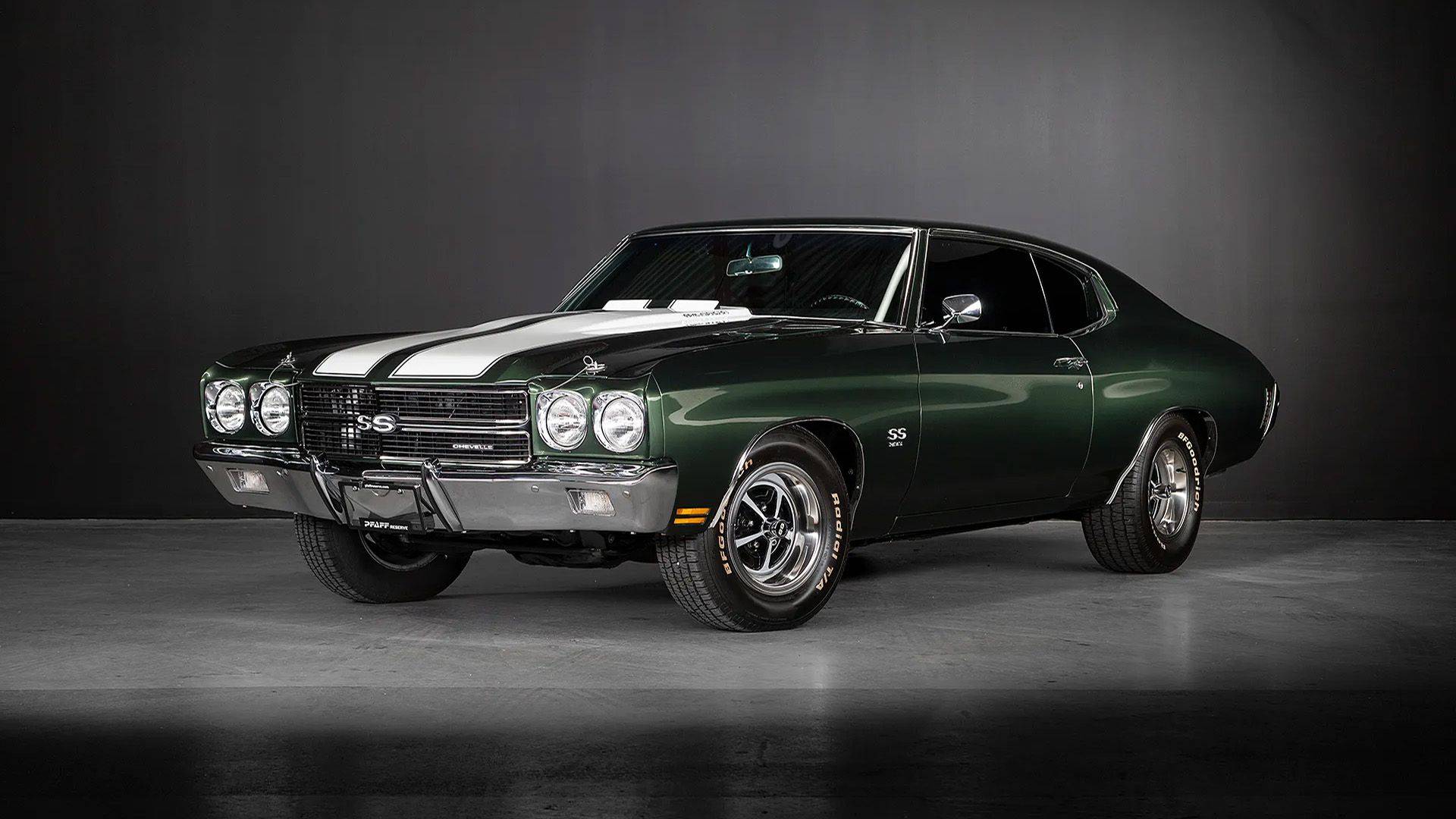
The Super Sport packages are the headline trims. RPO Z25 covered the SS 396 equipment, while RPO Z15 brought the SS 454. Equipment and details matter: cowl induction, correct badging, suspension components, drivetrain codes, build sheets, protect-o-plates, and other documentation can separate a valuable factory SS from a tribute build. Tribute cars can be excellent drivers, but they should be priced honestly.
Pricing and Market Values
Values vary dramatically by trim, engine, originality, condition, and documentation. TopSpeed’s guide cited Hagerty-style valuation highlights for a base 1970 Chevelle at roughly $9,400 in fair condition, $13,800 in good condition, $17,500 in excellent condition, and $21,800 in concours condition. Those numbers make the base car look surprisingly attainable compared with the inflation-adjusted original MSRP of about $22,876.
The SS 454 lives in a different world. A concours LS6 or highly documented SS 454 can reach six figures, and TopSpeed cited a concours SS 454 value around $220,000. That spread is why buyers should decide early whether they want a collector-grade investment, a faithful restoration, or a driver-quality classic. A less rare Chevelle with a healthy small-block may deliver more enjoyment per dollar than a car too valuable to use.
Reliability, Maintenance, and Common Problems
By classic-car standards, the 1970 Chevelle can be durable and straightforward to maintain. The source buyer-guide data referenced an 8.5/10 owner-reported reliability score and a highest reported mileage of 122,000 miles. It also noted that Chevrolet brand-level repair and maintenance figures are imperfect substitutes for Chevelle-specific costs, but they provide a rough ownership baseline.
Common issues to watch include control-arm wear, wheel bearings, exterior door handles, door-lock actuators, axle-shaft repairs, oil-pressure sensors, cooling-system failures, and transmission problems on modified cars. Rust is the bigger concern. Inspect the floors, trunk, wheel arches, lower quarters, frame areas, suspension mounting points, and underside. Paint quality also matters: faded original paint may be charming, but poor bodywork or hidden filler can become expensive fast.
Pros and Cons
Pros
- Iconic 1970 muscle-car styling
- Wide engine range from affordable small-blocks to legendary LS6 power
- Strong parts support and enthusiast knowledge base
- Usable size and comfortable cruising manners
- Non-SS cars can offer strong value
Cons
- Real SS 454 cars are expensive
- Rust repair can overwhelm a budget
- Fuel economy can be poor, especially with big-blocks
- Clones and undocumented cars require careful verification
- Modern safety and braking expectations do not apply
Who the 1970 Chevelle Is Best Suited For
The 1970 Chevelle is best for someone who wants a classic Chevrolet with real presence and is willing to inspect carefully before buying. A small-block Malibu or base V-8 car suits weekend cruisers, DIY owners, and buyers who value style over investment-grade rarity. An SS 396 suits enthusiasts who want big-block character without necessarily paying LS6 money. A documented SS 454 is best for collectors who understand authentication, storage, insurance, and preservation.
It is not the best choice for anyone expecting modern reliability, modern fuel economy, or low-cost restoration work. Even simple classics become expensive when rust, incorrect parts, or poor previous repairs enter the picture. But if you buy the right car, the 1970 Chevelle offers exactly what people love about the golden age of muscle: clean design, charismatic V-8 sound, approachable mechanicals, and a badge with enduring credibility.
Final Verdict
The 1970 Chevy Chevelle remains one of the great American muscle-car buys because it can serve different kinds of enthusiasts. It can be a sensible cruiser, a hands-on project, a faithful restoration, or a blue-chip SS 454 collectible. The smartest purchase is not always the most powerful car; it is the Chevelle with the best documentation, solid metal, honest pricing, and a drivetrain that matches your plans.
If you want maximum collectability, chase a verified SS with paperwork. If you want maximum enjoyment, do not overlook a clean small-block or Malibu. Either way, inspect for rust first, verify the numbers second, and budget for the realities of owning a car that is more than five decades old.